Computational chemistry - master
- Nordic applicants: April 15th
- EU/EEA + Swiss applicants: March 1st
- Non-EU/EEA applicants: November 15th
About the study
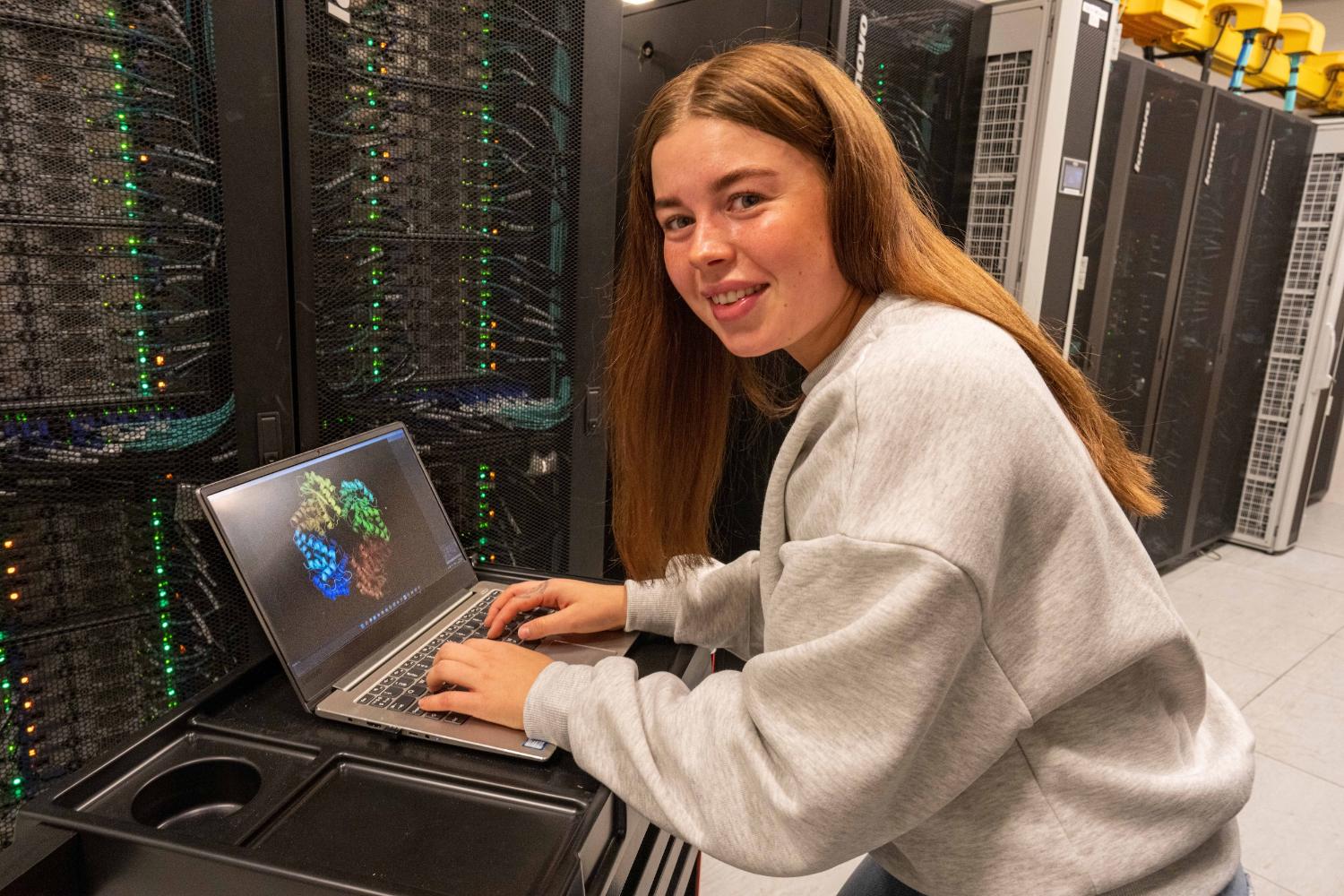
Explore molecular modelling and quantum chemistry at UiT. Use advanced simulations and high-performance computing to investigate chemistry, physics and biochemistry, and prepare for careers in research, pharmaceuticals, materials science or biotechnology.
What will you learn?
The study programme combines theoretical chemistry, quantum mechanics and molecular modelling. You will develop competence in:
- Wavefunction theory, density functional theory and molecular mechanics
- Selecting and applying computational methods to study molecular structures, properties, reactivity and dynamics
- Using modern simulation software, algorithms and high-performance computing
- Writing scripts, automating workflows and managing reproducible calculations
- Assessing the accuracy, reliability and chemical relevance of computational results
- Interpreting scientific literature and communicating research findings clearly
Through a supervised research project, you will learn to solve complex chemical problems independently and work across disciplines.
The programme prepares you to apply computational chemistry in fields such as catalysis, drug discovery, spectroscopy, materials science and sustainable technology.
Student life


What can you become?
Graduates can work as computational chemists, molecular modellers, research scientists, data analysts, scientific software developers or consultants. Career opportunities include:
- Pharmaceutical, biotechnology and chemical industries
- Materials science, catalysis and sustainable chemistry
- High-performance computing and scientific software
- Universities, research institutes and public-sector organisations
The degree also provides a strong foundation for PhD studies and international research careers.
Career opportunities
Access to further studies
A Master’s degree in Computational Chemistry may qualify you to apply for relevant PhD studies in Sciences at UiT.
Admission depends on your academic results, a relevant research project, supervision and available funding.
Programme structure
How is the teaching organized?
This is is a full-time, campus-based programme at UiT and requires regular physical attendance. Teaching includes:
- Classes, seminars and individual study
- Computational and project-based research
- Collaboration with doctoral students, postdoctoral researchers and academic staff
- An independent master’s thesis carried out in a research group, with individual supervision
Time comittment
Expect a workload of approximately 40 hours per week, including teaching, research and independent study.
Language of instruction
The language of instruction and examination is English and all syllabus material is in English.
The master's thesis must be written in English.
Programme structure
See the subjects you can take in this study programStudy plan
Outgoing exchange
Exchange is preferably undertaken in the third semester and may include courses or research visits to laboratories and institutions.
Arrangements are often linked to the master’s project; courses must be approved in advance.
Studiesteder du kan utveksle til
Admission requirements
You must hold a bachelor's degree (180 ECTS credits) in one of the natural sciences:
- Chemistry
- Molecular Sciences
- Mathematics
- Physics
- Informatics
- or an equivalent degree following a programme of study of minimum 3 years.
The bachelor's degree must contain a minimum of 30 ECTS in chemistry courses on bachelor level, and a minimum of 80 ECTS (or equivalent) specific to our master discipline
Applicants must have a minimum grade average comparable to a Norwegian “C” (3.0) in the ECTS scale, see the UiT webpage for international admissions for more information on how the point average is calculated.
International students from non-Nordic countries (except students with English as their mother tongue), must meet the Department of Chemistry's English proficiency with a recommended minimum score of 6.5 on each part of the IELTS test, minimum scores of 22, 22, 22 and 25 (reading, listening, speaking and writing, respectively) on the TOEFL test, C1 Advanced or C2 Proficiency level on Cambridge ESOL Examinations, or minimum C1 level on The European language certificate (telc)
Admission capacity
8 places
Find out which applicant category you belong to and which documents you need to upload.
Har du spørsmål?



You might also be interested in
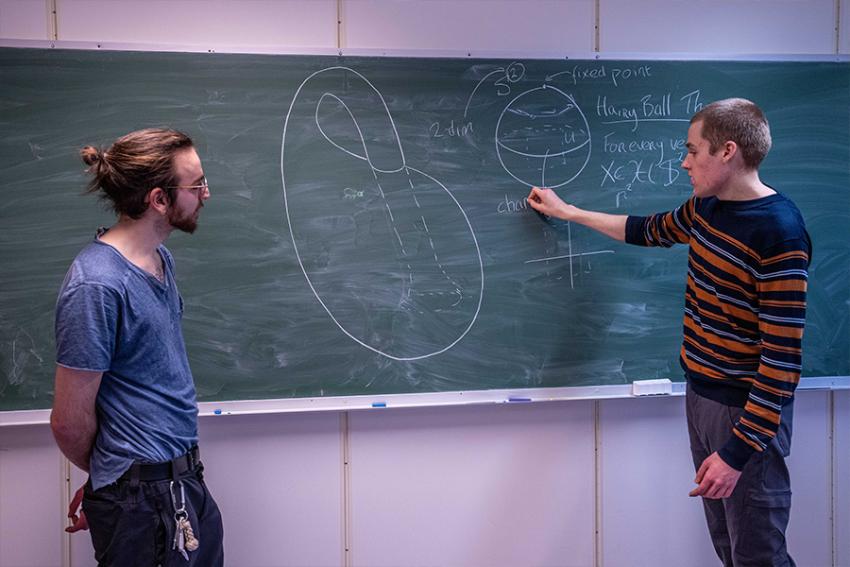
Mathematical Sciences - master
Master in Mathematical sciences introduces you to mathematical research and the appliance of mathema...
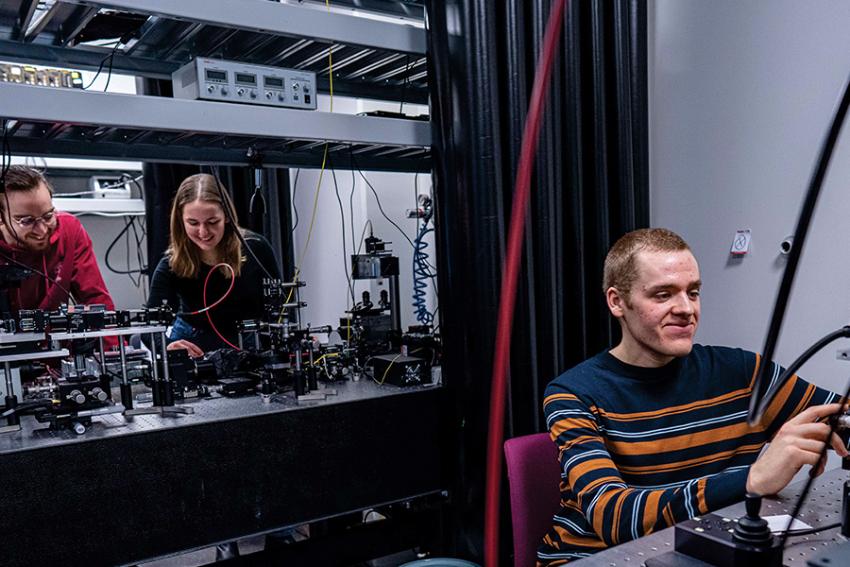
Physics - master
Mobile phones, LED lights, radios, TVs and computers are advanced technical equipment based on physi...
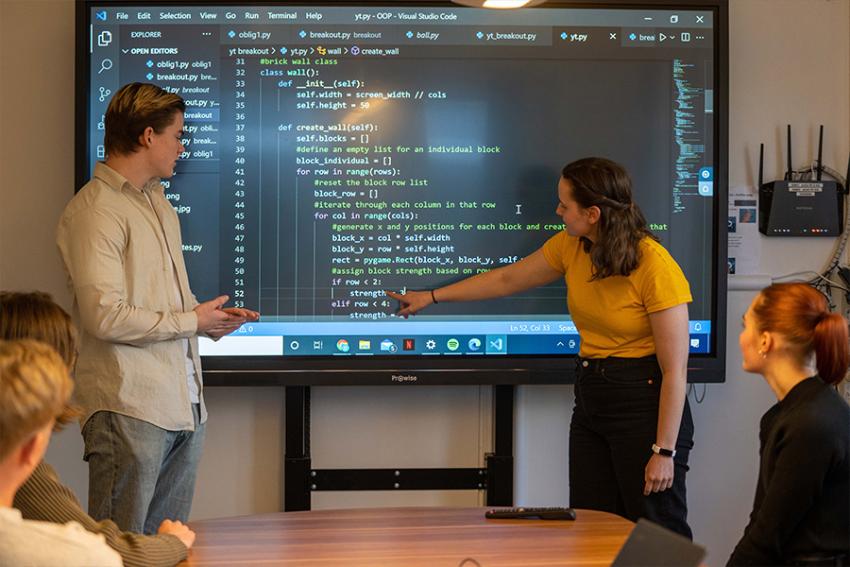
Computer Science - master
Master in Computer science is highly practical and experimental, where the students learn to design,...
Følg @uitstudent på Instagram eller TikTok for å få et enda bedre innblikk i hvordan det er å studere på UiT. Her viser studentene fram sin studiehverdag, deler tips og nyttig informasjon, og du kan stille spørsmål om alt du måtte lure på.
Sjekk også @uitnorgesarktiske på Instagram eller TikTok for info om studier, jobbmuligheter og forskning.
