Technology and Safety - master
- Nordic applicants: April 15th
- EU/EEA + Swiss applicants: March 1st
- Non-EU/EEA applicants: November 15th
About the study
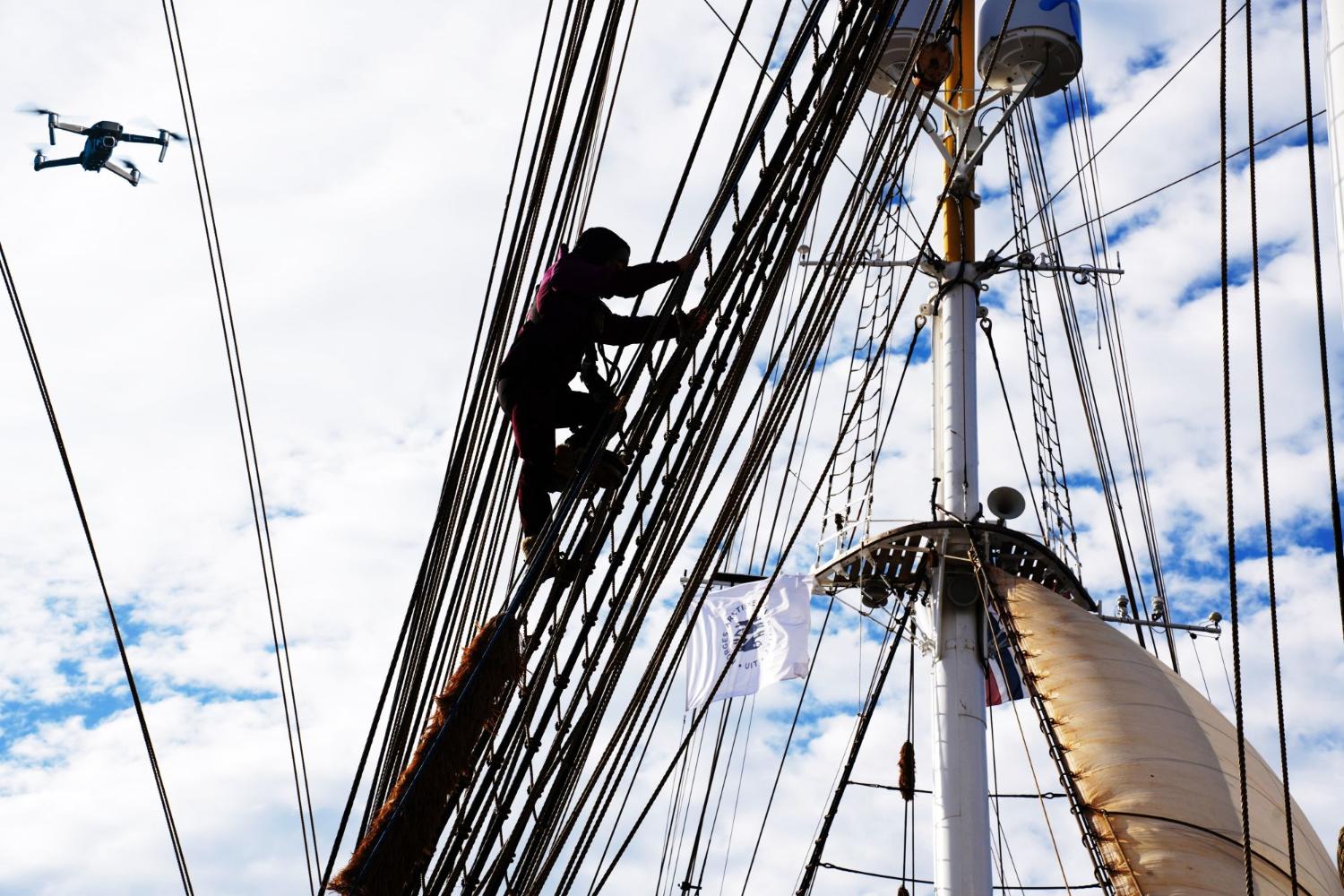
Study land-based and offshore operations in harsh environments at UiT. Specialise in risk and reliability, automation or nautical science, and develop the technical and safety expertise modern industry needs.
What will you learn?
The Master’s in Technology and Safety in the High North combines engineering, technology and safety management for complex industrial operations in challenging environments. You will develop competence in:
- Technical safety methods, risk assessment and mitigation strategies
- Engineering analysis from multidisciplinary perspectives
- Mathematical modelling, simulation and quantitative data analysis
- Identifying and solving technology and safety challenges in industrial activities
- Planning and completing an independent research or development project
The programme strengthens your ability to apply engineering knowledge to new problems, communicate technical analyses clearly and contribute to innovation in industry, research and public-sector organisations.
Student life



What can you become?
Graduates can work as engineers, safety engineers, risk analysts, project managers, technical consultants or operations specialists. Career opportunities include:
- Oil and gas, energy and maritime industries
- Engineering, maintenance and industrial operations
- Public administration and infrastructure
- Research, education and technology development
The degree also supports international careers and further doctoral study.
Career opportunities
Programme structure
How is the teaching organized?
The Master’s in Technology and Safety is a two-year, full-time campus-based programme at UiT and requires regular physical attendance. Teaching may include:
- Lectures, seminars and practical exercises
- Individual and group projects
- Student presentations, teamwork and mandatory assignments
- Excursions, fieldwork and project reports
Lectures may be scheduled weekly or in intensive blocks, depending on the course. Assessment varies and may include written or home exams, group assignments, project submissions and oral exams. Students should expect a workload of approximately 40 hours per week.
Language of instruction
The language of instruction and all syllabus material is English.
Programme structure
See the subjects you can take in this study programStudy plan
Outgoing exchange
Exchange abroad is encouraged, particularly with universities in the High North. The department assists with applications, and each exchange is assessed individually by the Head of Studies.
Studiesteder du kan utveksle til
Admission requirements
Bachelor’s degree in engineering (180 credits), or other relevant technological degree on Bachelor level.
The bachelor’s degree must contain minimum 25 credits mathematics, 5 credits statistics and 7.5 credits in physics. Some of the courses in the bachelor program have a certain amount of statistics included and can be accepted.
Relevant field of study may be automation, process and gas technology, nautical science, mechanical, processing, safety, civil engineering. Other fields of study may be considered upon individual assessment.
Applicants must have a minimum grade average comparable to a Norwegian C (2.5) in the ECTS scale, see the UiT webpage for International admissions for more information on how the point average is calculated.
Applicants with education from non-Nordic countries must document English language proficiency. You will find more information on English language requirements on the UiT webpage for International admissions.
Admission capacity:
30 places
Applicants from Norway or Nordic countries:
Her finner du all informasjon knyttet til søking og opptak.
Applicants within EU/EEA/Switzerland:
You will find more information about admission for EU/EAA applicants here.
Applicants outside EU/EEA/Switzerland and the Nordic countries:
Har du spørsmål?




You might also be interested in
Bærekraftig teknologi, ingeniør - bachelor
Vær med på å gjøre ingeniørbransjen mer grønn! Bli ingeniør i bærekraftig teknologi, lær om fornybar...
Samfunnssikkerhet - master
Hvordan møter samfunnet sikkerhet- og beredskapsutfordringer? Lær mer om krisehåndtering, HMS, risik...
Havteknologi, ingeniør - bachelor (ordinær, y-vei)
Vil du være med å forme fremtidens løsninger for havbruk og den maritime næringen? Bli ingeniør i ha...
Følg @uitstudent på Instagram eller TikTok for å få et enda bedre innblikk i hvordan det er å studere på UiT. Her viser studentene fram sin studiehverdag, deler tips og nyttig informasjon, og du kan stille spørsmål om alt du måtte lure på.
Sjekk også @uitnorgesarktiske på Instagram eller TikTok for info om studier, jobbmuligheter og forskning.
