Questions Are the Raw Material of Knowledge
In September, European PhD candidates and master’s students took part in an interdisciplinary intensive course at UiT in Tromsø. They were challenged to explore the boundaries and barriers of academic knowledge, and to ask questions in a world that wants answers.
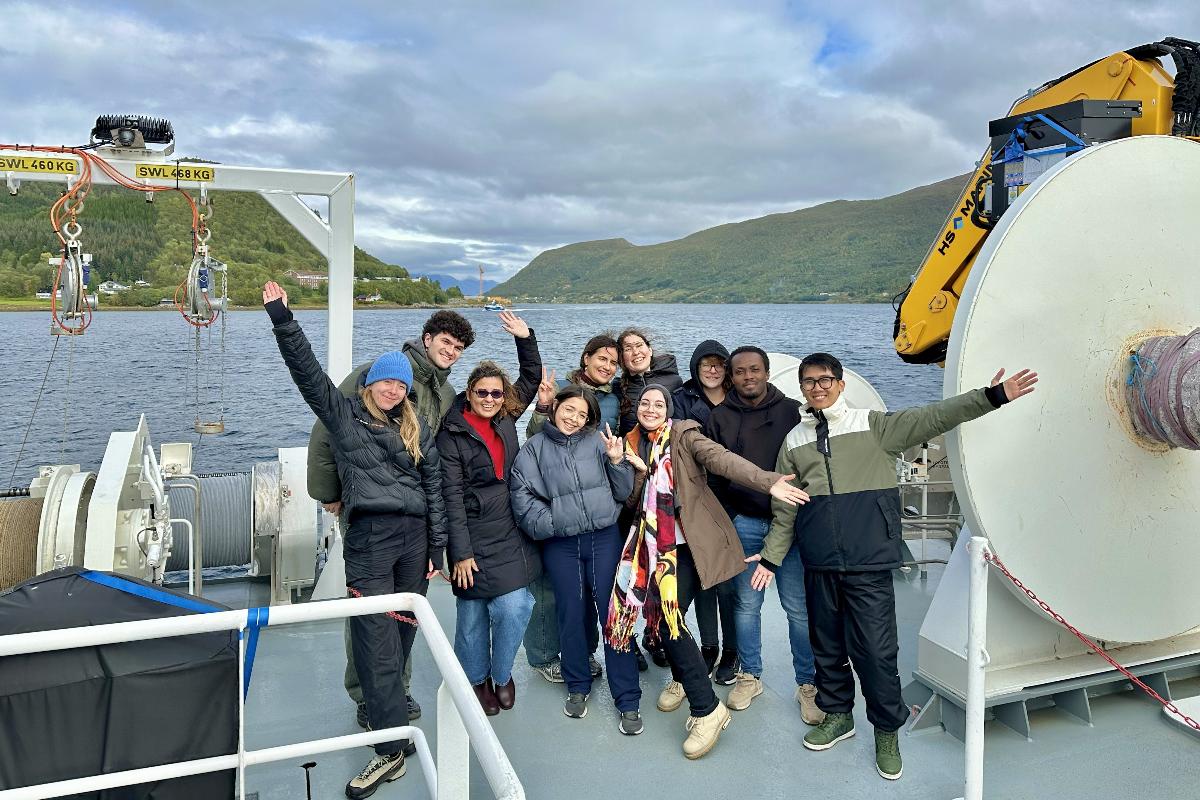

The course is called Doing and Communicating Research with Creative Methods and was organised by UiT’s Centre for Arctic Humanities. The course’s central concept is ArtScience, meaning that the arts, humanities and natural sciences meet on equal terms in unconventional, interdisciplinary contexts. Participants had many opportunities to learn how creative methods can be useful in research, education and public communication.
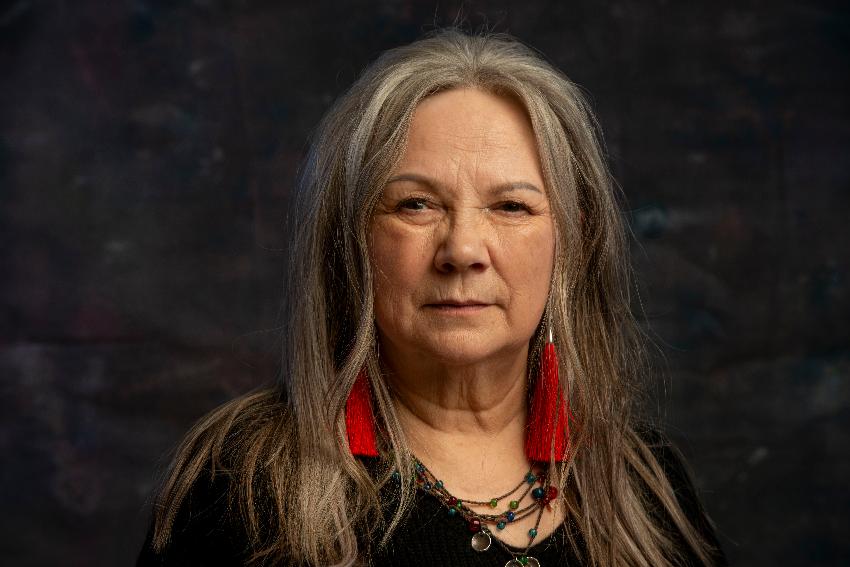
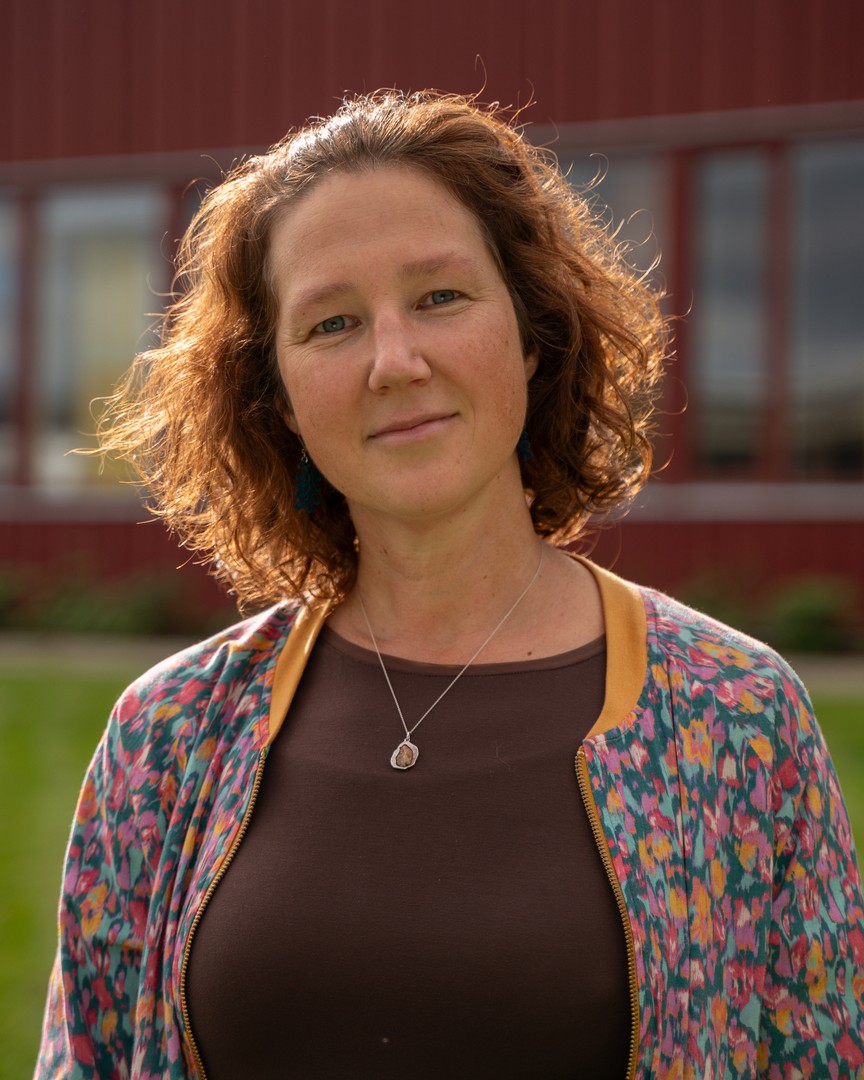
“When no one has all the references, and the disciplinary shortcuts do not exist, the armour falls away more quickly. It is uncomfortable – and that is where the interesting things happen. When the arts and humanities meet the natural sciences, we do not merely make research more understandable – we change the questions themselves: What knowledge is valid, what questions do we allow ourselves to ask, and who is listening?” says Lilli Mittner, course leader and Associate Professor at the Centre for Women’s and Gender Research.
Land, water and people
The course facilitates the use of co-creative methods, critical thinking, translating knowledge into action, civic engagement and storytelling.
Participants were invited to ask a range of questions that draw attention to land, water and people in the Arctic, and that challenge familiar scientific categories and narratives. According to Mittner, the course opens up an interdisciplinary space for reflection and action that is rarely found in today’s academia.
“We do a great deal of multidisciplinary work at UiT, but little interdisciplinary work. Many people want it, but neither the structure, culture nor architecture is designed to support it. Students have few places in which to develop interdisciplinary skills. The university is built to separate rather than to co-create,” says Mittner.
Over the course of a week, participants moved extensively between buildings and locations, while reflecting, reading and writing. They constantly shifted between forms of knowledge and ways of communicating, disseminating and teaching knowledge. Activities ranged from philosophical conversations to visits to the kitchen garden and an archaeological laboratory, from the sámi collection of the university museum to the historical map collection of the university library. They also travelled out on the fjord aboard the FF Beret Paulsdatter, named after a Sea Sámi woman who captained her own boat in the nineteenth century.
Participants were challenged to turn knowledge into curiosity: How can a finding, an insight or an encounter become something of societal significance beyond the room in which it was created?
They also gained insight into how public communication and co-creative work are connected to Indigenous knowledge and stories, local communities, object collections, research ethics and accountability.
Doing and Communicating Research with Creative Methods / ArtScience
- A course held at UiT from 1–4 September 2026.
- The course teaches participants how research, public communication and teaching can be carried out using creative methods.
- Participants were PhD candidates and master’s students from several EUGLOH universities.
- Organised by UiT’s Centre for Arctic Humanities and supported by the UArctic thematic network for environmental humanities within UArctic.
- Contributors to the course include Craft-lab, EnvPhil, ArcArc, EnvHum, SAMFORSK, CNN and the Kitchen Garden at UiT The Arctic University of Norway.
- In the workshop, participants can test their own ideas and develop new concepts for interdisciplinary collaboration.
- From autumn 2026, the course will form the basis for a regular three-credit course unit at UiT.
- What students develop during this course unit, along with their reflections, will later be published in UiT’s Septentrio Creative.
Integrating knowledge
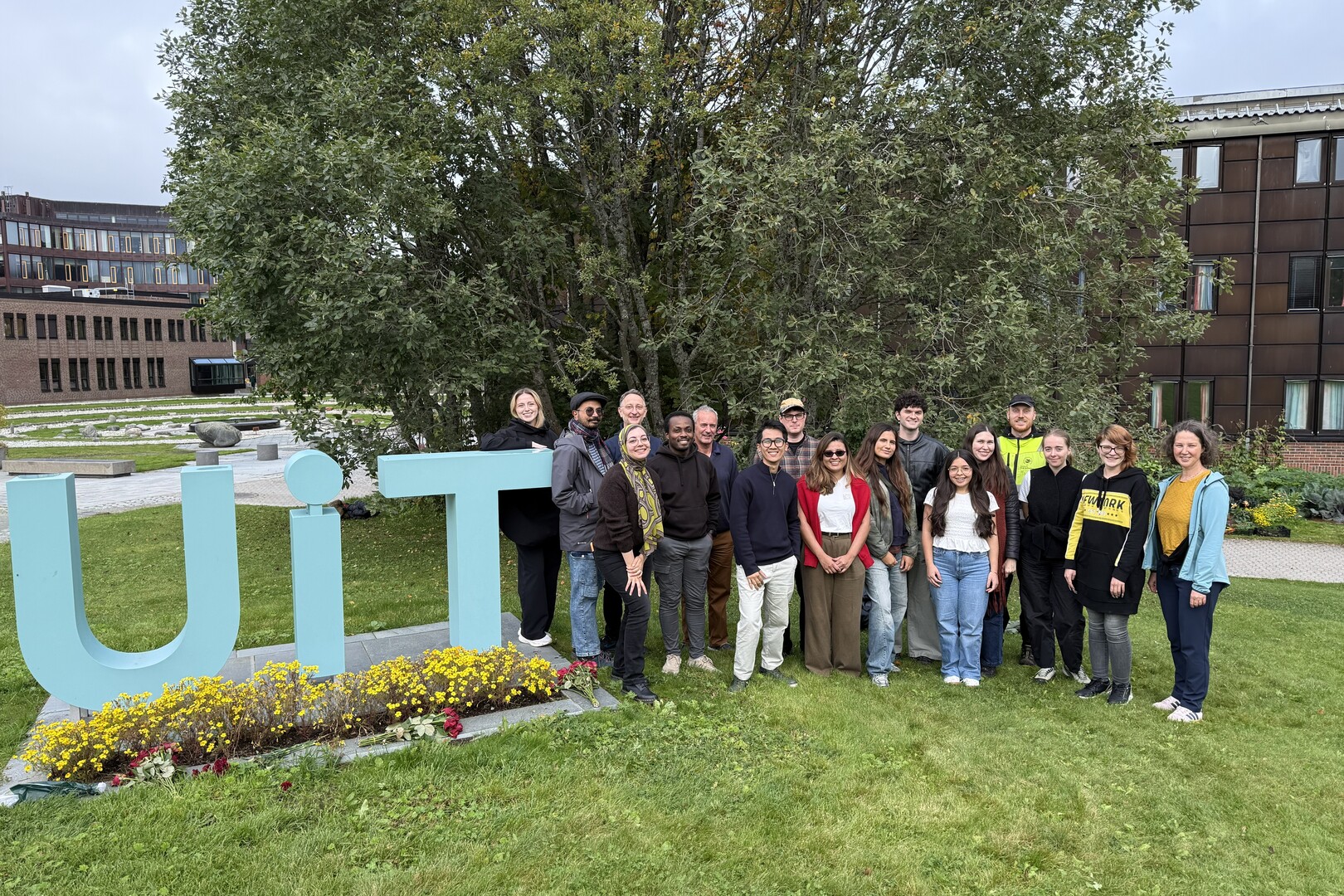
The participants were of different ages and came from different disciplines, institutions and cultures. Together, they worked on how research questions can be formulated, analysed and communicated through the use of creative and co-creative methods. Along the way, they reflected critically on their own disciplinary assumptions and methodological choices.
During the course, participants had many opportunities to test their own ideas and create new concepts for interdisciplinary collaboration. They were also given ample opportunity to explore, ask questions, experiment and fail.
“Courses that actually teach the integration of knowledge are extremely rare. Most of what is called interdisciplinary is, in practice, multidisciplinary: disciplines stand side by side and present their individual pieces, but no one puts them together. Creative methods can be a way of communicating across disciplines,” Mittner points out.
Mistakes create new knowledge
She notes that there are also traditions to build upon, including action research, participatory design and artistic research and development work.
“Students hear different disciplines speak about the same phenomenon, and then we expect them to integrate the knowledge themselves. But how do you learn to integrate when you grow up in environments primarily concerned with defending and building themselves? Our education system rewards the opposite of curiosity. We reward people for ignoring knowledge outside their own field. The point is to make it safe not to know. Asking questions is the raw material of knowledge,” Mittner stresses.
We do a great deal of multidisciplinary work at UiT, but little interdisciplinary work. Many people want it, but neither the structure, culture nor architecture is designed to support it.
Opening minds and senses
What did the course participants think about their experiences in Tromsø?
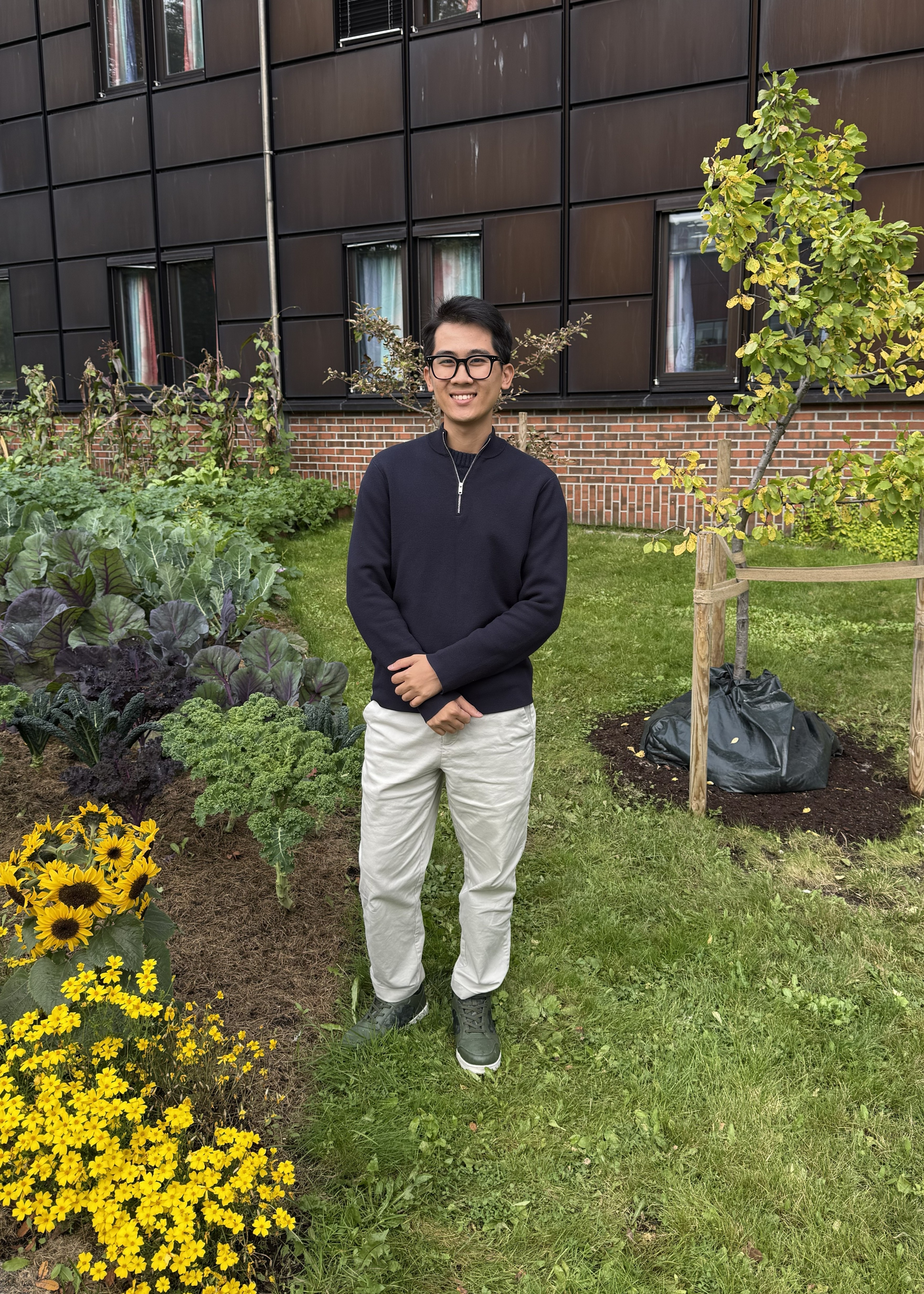
One participant was Huy Gia Huy, a master’s student in European economic law at Lund University. He believes that Tromsø and UiT offer a perfect combination of nature and science.
“The creative teaching methods have sparked my curiosity. It is quite unusual to study while hiking. We constantly change our surroundings while learning different things,” says Huy.
For him, the course was an inspiration to view his own research from a new perspective. He greatly appreciated meeting people from different backgrounds, who asked very different questions and provided diverse answers.
“Through this creative process, I can acquire knowledge more effectively. It has opened both my senses and my mind. I can now apply a more interdisciplinary approach to law, a field that reflects society as a whole,” he stresses.
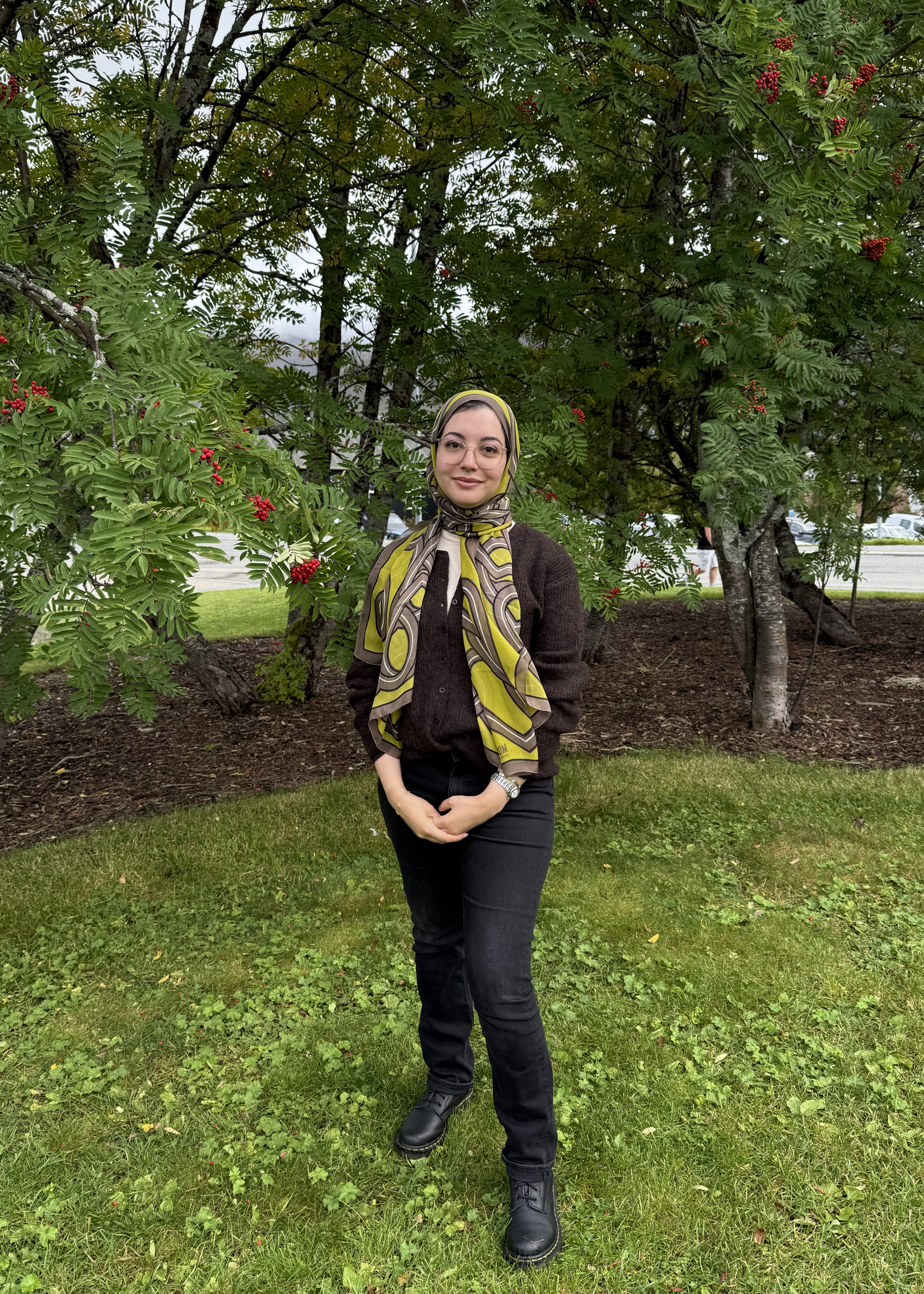
Another participant was Rawda El Hajji, from Morocco, a PhD candidate at the University of Hamburg and research assistant at Bibliotheca Arabica. She particularly liked the way the course was organised and the dynamics between the participants.
“It is one of the most interesting workshops I have attended so far. I do not feel limited in my thinking while I am here. I do not feel that I have to follow particular rules, and I can express myself easily. All in all, it has been a great pleasure and an excellent learning environment,” she says.
For El Hajji, the course was an entirely new experience, and the teaching methods were very different from what she was used to.
“I have never considered myself a creative person, but after only four days, I feel that I have so much to contribute and great creative potential, both in my life and in my work. This has had a major impact on how I see myself in the future,” she concludes.
Diversity as fuel
The courses organised by Mittner receive recruitment support and are funded through the university alliance EUGLOH, The Arctic Six, and the thematic network for environmental humanities within UArctic, led by UiT. This has resulted in participants coming from a range of universities in Europe, North America and the Nordic countries.
Previously, Mittner led a course at UiT centred on the meeting between art, literature and science.
At this year’s UArctic Congress, Mittner, together with the thematic network in environmental humanities, organised an exhibition in Tórshavn in the Faroe Islands, as well as a series of lectures and panel debates focusing on creative methods in interdisciplinary research.
“They give us something that a single university cannot achieve on its own: enough difference for something to happen. Alliances are ideal arenas for testing this because they multiply the differences – disciplinary, linguistic and geographical. Diversity is the fuel of the experiment,” Mittner concludes.
From autumn 2026, the course will form the basis for a regular three-credit course unit at UiT. The reflections and conclusions participants develop through taking the course will later be published in UiT’s Septentrio Creative.
Kortnytt fra Senter for kvinne- og kjønnsforskning, Fakultet for humaniora, samfunnsvitenskap og lærerutdanning, Institutt for lærerutdanning og pedagogikk, Institutt for filosofi og førstesemesterstudier, Norges fiskerihøgskole, Institutt for arkeologi, historie og religionsvitenskap, Institutt for språk og kultur