Photonics and nanotechnology - master
- Nordic applicants: April 15th
- EU/EEA + Swiss applicants: March 1st
- Non-EU/EEA applicants: November 15th
About the study
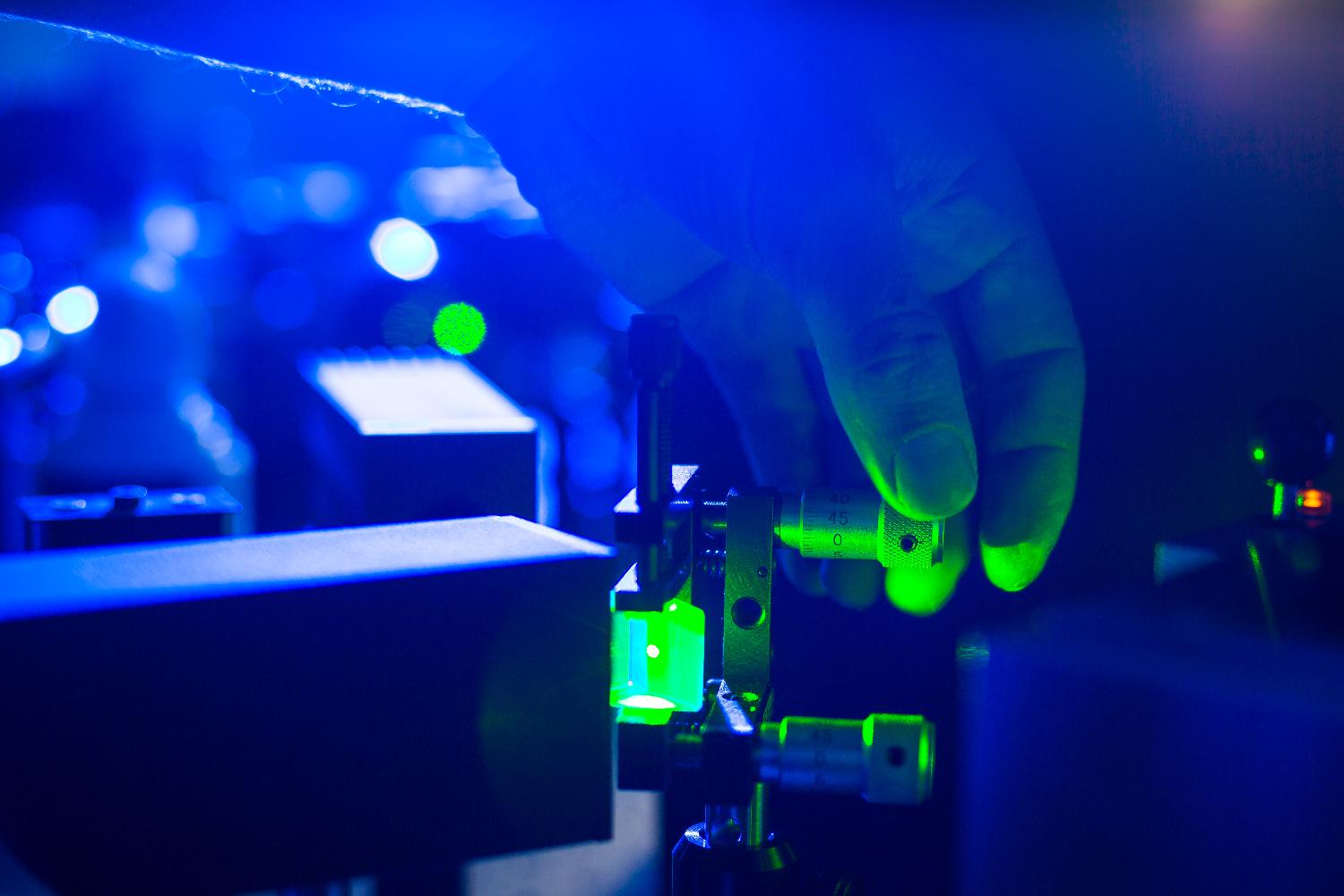
Explore nanotechnology and photonics at UiT and learn how advanced science drives innovation in energy, health and sustainability. Build skills for impactful careers in research and industry in Tromsø.
What will you learn?
The Master’s in Nanotechnology and Photonics combines advanced theory with hands-on work in photonics, quantum chemistry, materials science and nanoscale fabrication. You will learn to:
- Design, simulate and fabricate nanoscale devices
- Work safely in cleanrooms and use techniques such as deposition, lithography and etching
- Characterise materials and optical components using SEM, AFM and advanced optical equipment
- Apply scientific software, computational methods and research literature
- Plan and complete an independent research or development project
The programme develops theoretical, experimental and interdisciplinary skills for careers in research, technology development, production, teaching and technical professions. You will also build innovation and scientific communication skills relevant to nanotechnology and photonics.
Student life


What can you become?
Graduates can work as:
- Developers and system developers
- Senior, project or process engineers
- Project managers and consultants
- Researchers and technical specialists
Career opportunities include technology companies, start-ups and established organisations working with nanotechnology, photonics, sensors, imaging, defence, environmental technology, advanced data processing and modelling. With additional teacher training, graduates may also teach in upper secondary schools.
Career opportunities
Access to further studies
Completed Master’s degree studies qualify for admission to PhD studies in physics, depending on satisfactory marks in the Master’s and Bachelor’s degree. PhD studies in physics and chemistry are offered at UiT The Arctic University of Norway.Programme structure
How is the teaching organized?
The Master’s in Nanotechnology and Photonics is a campus-based programme at UiT and requires regular physical attendance. Teaching may include:
- Lectures, laboratory work and problem-solving sessions
- Individual and group projects
- Student presentations and other research-based activities
Assessment varies by course and may include written or oral exams, assignments and project presentations. See the individual course descriptions for details. If your master’s thesis involves laboratory work, you must complete mandatory safety training before starting the project. Students should expect a full-time workload of approximately 40 hours per week.
Language of instruction
English
Programme structure
See the subjects you can take in this study programStudy plan
Outgoing exchange
There are several possibilities for exchanges abroad. The exchange period depends on your individual study plan, and should be planned in collaboration with the student advisor and the student’s supervisor.
Studiesteder du kan utveksle til
Admission requirements
Admission requirements: A bachelor’s degree (180 ECTS) in physics, chemistry, nanotechnology or a related field, including at least 120 ECTS in mathematics, informatics, chemistry, physics or statistics. This must include 30 ECTS in physics, mathematics, basic chemistry and informatics. A minimum grade average of C (3.0) is required.
Admission capacity: 8 places.
Points threshold: C (3.0).
Har du spørsmål?



You might also be interested in
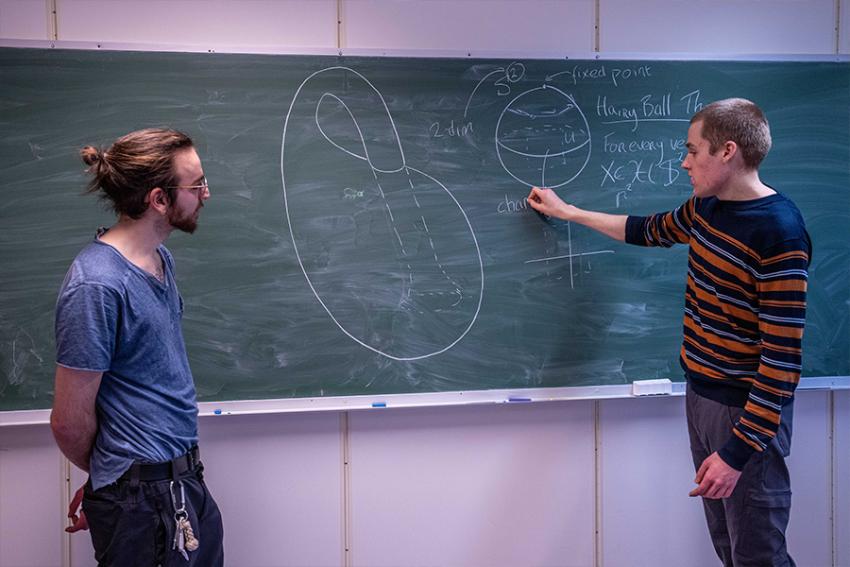
Mathematical Sciences - master
Master in Mathematical sciences introduces you to mathematical research and the appliance of mathema...
Computational chemistry - master
Master computational chemistry at UiT. Model molecules, explore quantum science, join global researc...
Physics - master
Mobile phones, LED lights, radios, TVs and computers are advanced technical equipment based on physi...
Følg @uitstudent på Instagram eller TikTok for å få et enda bedre innblikk i hvordan det er å studere på UiT. Her viser studentene fram sin studiehverdag, deler tips og nyttig informasjon, og du kan stille spørsmål om alt du måtte lure på.
Sjekk også @uitnorgesarktiske på Instagram eller TikTok for info om studier, jobbmuligheter og forskning.
