Marine Biotechnology and Biological Chemistry - master
- Nordic applicants: 15 april
- EU/EEA and Swiss applicants: 1 March
- Non-EU/EEA applicants: 15 November
About the study
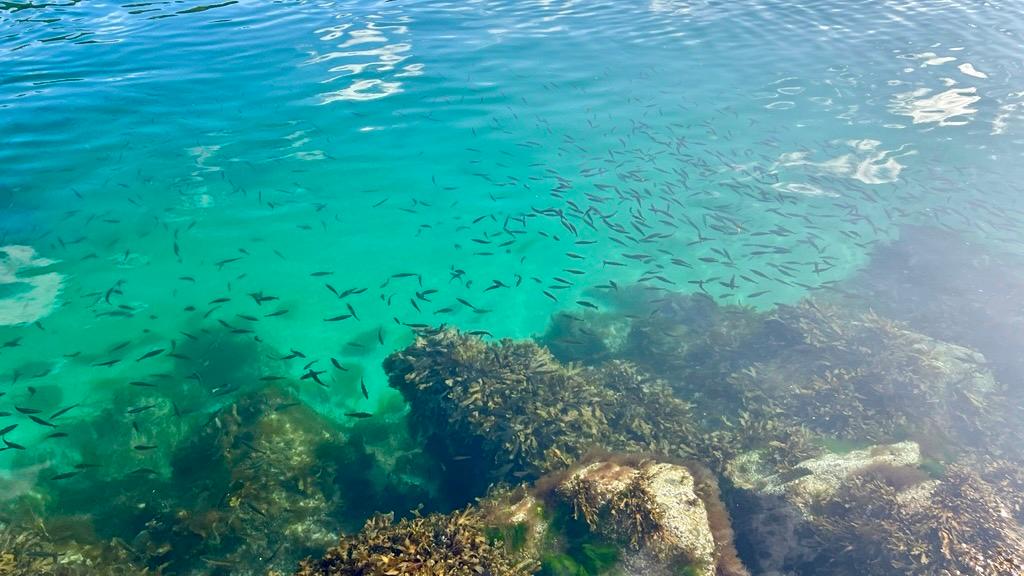
Explore ocean innovation through biotechnology, chemistry and life sciences at UiT. Gain hands-on research experience in marine drug discovery, sustainable seafood and green solutions, preparing you for research, industry or entrepreneurship.
What will you learn?
This interdisciplinary programme combines molecular biology, marine biotechnology and biomolecular chemistry to explore how marine resources can support sustainable innovation. You will develop competence in:
- Identifying, isolating and analysing bioactive compounds and biomolecules from marine sources
- Applying laboratory methods such as spectroscopy and chromatography
- Using bioinformatics, metagenomics and computational tools
- Planning research, analysing data and evaluating scientific literature
- Assessing ethical and environmental challenges related to biotechnology
Through research-based projects, you will learn to work across disciplines and communicate scientific results clearly. The programme prepares you for careers in marine research, biotechnology, the bioeconomy and the chemical industry.
Student life

What can you become?
Graduates can work as:
- Marine biotechnologists, research scientists or laboratory specialists
- Product developers, process engineers or entrepreneurs
- Advisors and project managers in biotechnology and innovation
Career opportunities include sustainable seafood, pharmaceutical discovery, environmental biotechnology, aquaculture, marine value creation and the chemical industry. Employers include research institutes, universities, hospitals, public agencies and biotech companies in Norway and internationally.
Career opportunities
Access to further studies
Given satisfactory grades at bachelor and master's level, the MSc degree will qualify students for admission to PhD studies. With a master’s degree in Marine biotechnology and Biological Chemistry you will qualify to apply for vacant PhD-positions if you finish your masters with an average grade of C or better in the Norwegian grading system.Programme structure
How is the teaching organized?
The Master’s in Marine Biotechnology and Biological Chemistry is a campus-based programme at UiT and requires regular physical attendance. Teaching may include:
- Lectures, seminars and group work
- Laboratory work, fieldwork and industrial visits
- An independent 60 ECTS master’s thesis completed over three semesters
Assessment varies by course and may include written or oral exams, laboratory reports and project work. Students should expect to spend approximately 40 hours per week on teaching, laboratory work, seminars, assignments and independent study.
Language of instruction
The language of instruction and examination is English, and all syllabus material is in English. The Master´s thesis must be written in English.
Programme structure
See the subjects you can take in this study programStudy plan
Outgoing exchange
Exchange is preferably undertaken in the third semester and may involve courses or visits to laboratories and institutions. Arrangements are often individual and linked to the master’s project; courses require prior approval.
Admission requirements
The student is eligible according to UiT - The Arctic University of Norway's general admission rules:
- General admission requirements - Master
- Admission requires a Bachelor's degree (180 ECTS) in biotechnology, marine biotechnology, molecular biology, biochemistry, chemistry or a related discipline OR an equivalent degree following a programme of study of minimum 3 years (More information on bachleor's degree requiremetns)
- A minimum of 80 ECTS must be within relevant subjects such as chemistry, molecular biology, microbiology, or biotechnology.
- Applicants must have a minimum grade average comparable to a Norwegian “C” (3.0) in the ECTS scale, see the UiT webpage for international admissions for more information on how the point average is calculated.
- International students from non-Nordic countries (except students with English as their mother tongue), must meet the Department of Chemistry's English proficiency with a recommended minimum score of 6.5 on each part of the IELTS test, minimum scores of 22, 22, 22 and 25 (reading, listening, speaking and writing, respectively) on the TOEFL test, C1 Advanced or C2 Proficiency level on Cambridge ESOL Examinations, or minimum C1 level on The European language certificate (telc)
Upon admission, applicants are ranked by average grade on subjects included in the in-depth specialisation from the bachelor degree.
Admission capacity
25 places
Applicants from Norway or Nordic countries
Her finner du all informasjon knyttet til søking og opptak.
Applicants within EU/EEA/Switzerland (except the Nordic countries)
You will find more information about admission for EU/EAA applicants here
Applicants outside EU/EEA/Switzerland and the Nordic countries
Har du spørsmål?

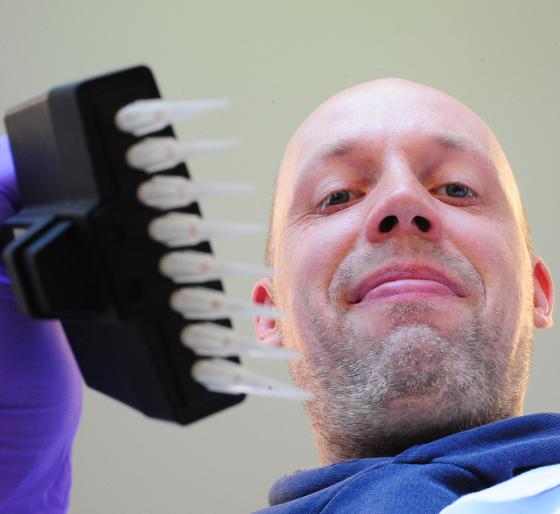


You might also be interested in
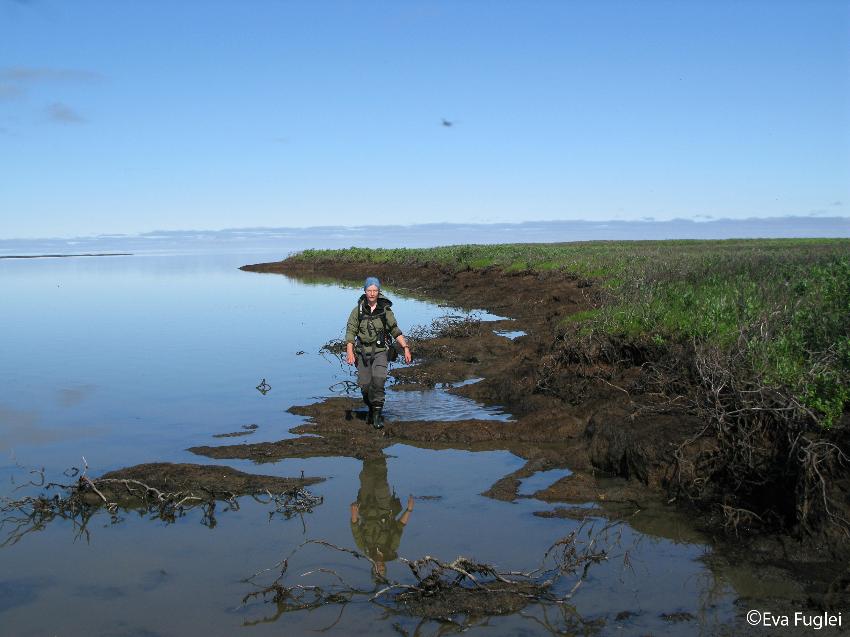
Biology - master
The unique geographical location makes the UiT The Arctic University of Norway an ideal place to stu...
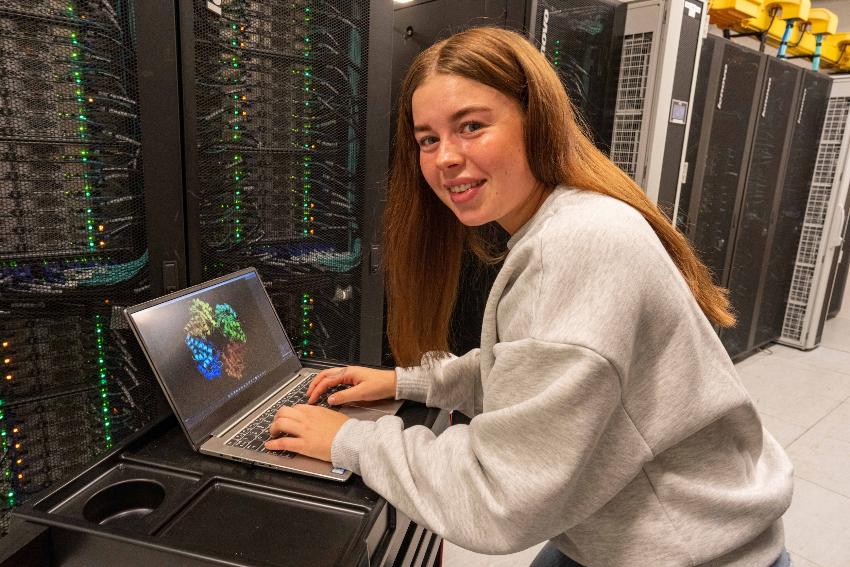
Computational chemistry - master
Master computational chemistry at UiT. Model molecules, explore quantum science, join global researc...
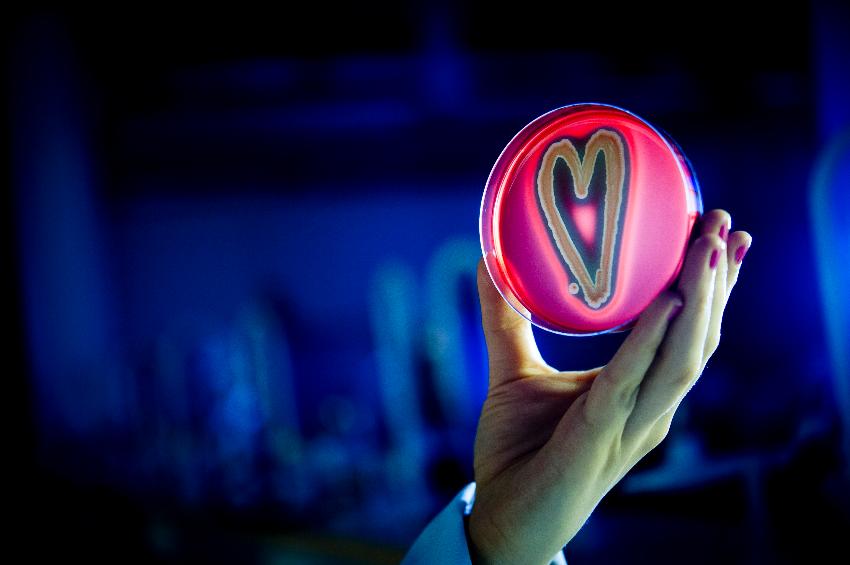
Biomedicine - master
Take your MSc in Biomedicine at UiT in Tromsø! We offer training in contemporary and experimental me...
Følg @uitstudent på Instagram eller TikTok for å få et enda bedre innblikk i hvordan det er å studere på UiT. Her viser studentene fram sin studiehverdag, deler tips og nyttig informasjon, og du kan stille spørsmål om alt du måtte lure på.
Sjekk også @uitnorgesarktiske på Instagram eller TikTok for info om studier, jobbmuligheter og forskning.
