Visual and Multimodal Anthropology - Master
- Nordic applicants: 15 April
- EU/EEA + Swiss applicants: 1 March
- Non-EU/EEA applicants: 15 November
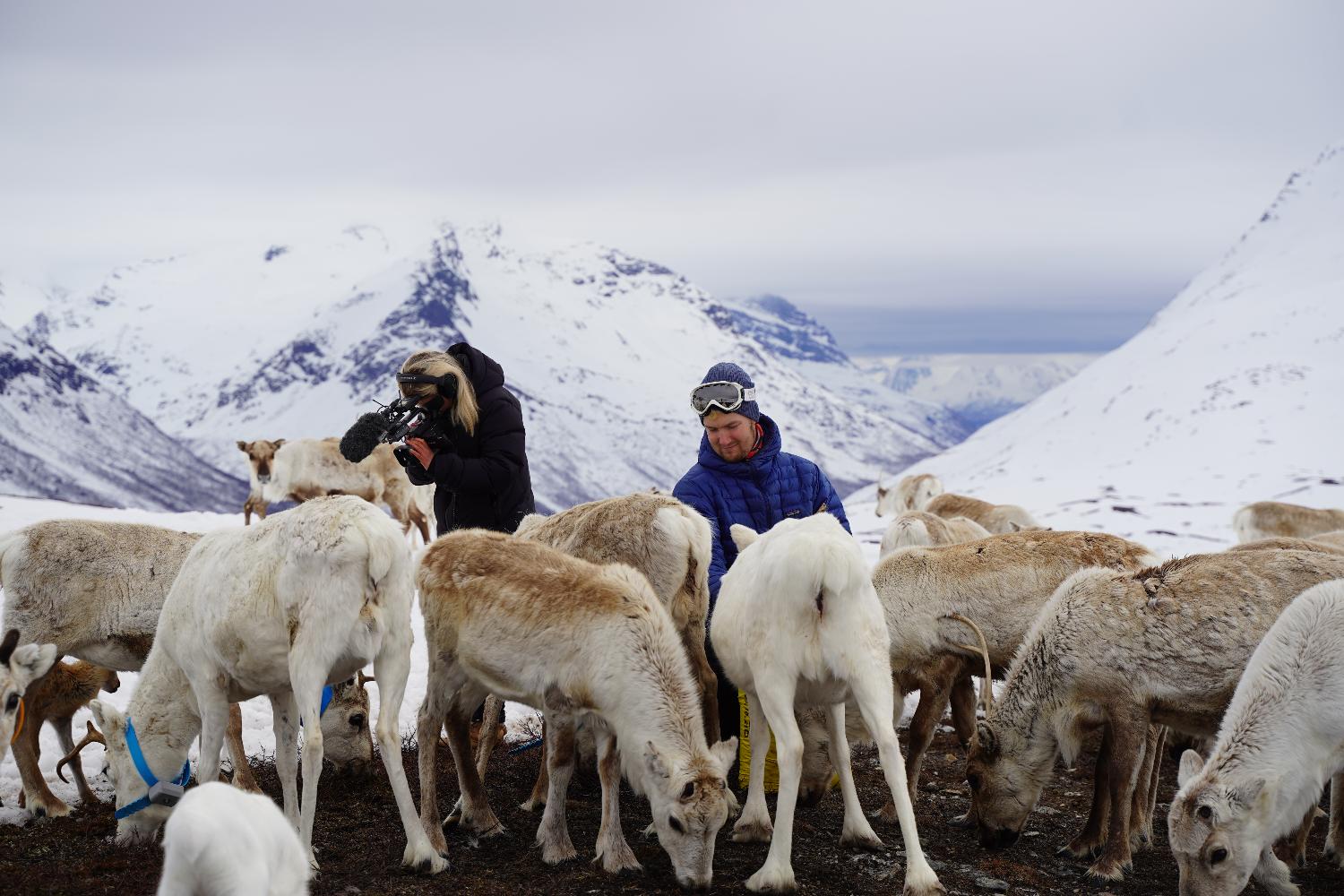
About the study
Passionate about culture, society and the environment? Explore how to engage with a changing world through ethnographic filmmaking, photography, sound, writing and other creative media in our Master’s in Visual and Multimodal Anthropology.
What will you learn?
The program in Visual and Multimodal Anthropology focuses on the use of audio-visual materials such as photographs, films, digital media, and interactive technologies to document and interpret cultural practices, social behaviors, and human experiences worldwide.
Students gain knowledge of the history and development of visual anthropology, ethical considerations in visual representation, and the impact of new media on anthropological research.
They develop skills in ethnographic research, audiovisual tools, and narrative strategies, enabling them to critically analyze and present their findings through film and text.
Graduates are equipped to conduct independent research, communicate their work effectively, and contribute to innovation and cross-cultural understanding using multimodal approaches.
Student life


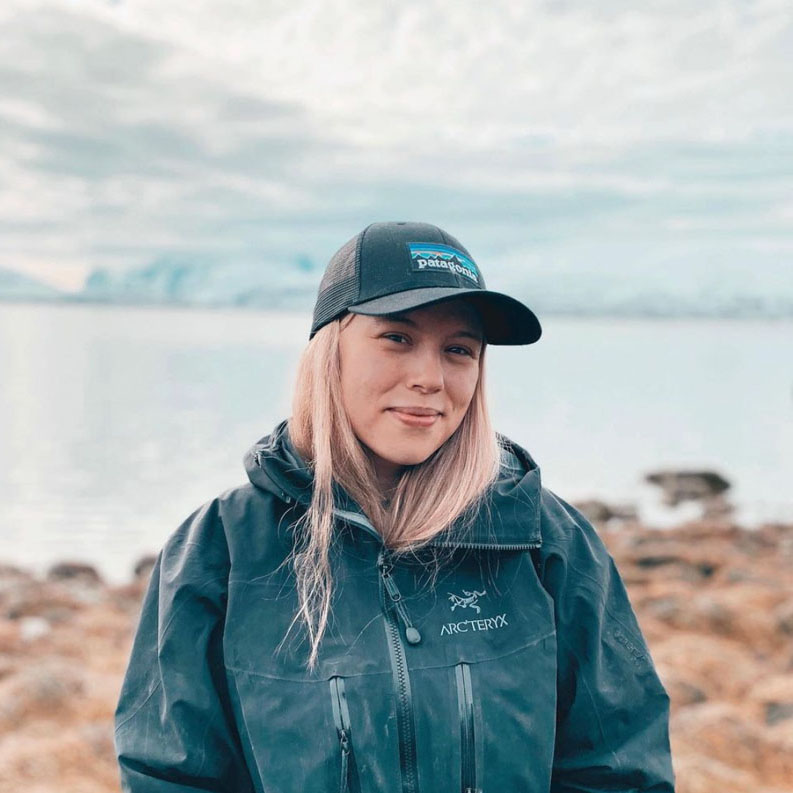
What can you become?
A degree in Visual and Multimodal Anthropology can open doors to a variety of national and international positions in academic research, filmmaking, television, administration, government and non-governmental organisations, journalism, communication, museums, youth and education programs, marketing research.
Studying in this international environment also develops competences in cross-cultural communication as well as valuable assets to several career paths.
Career opportunities
Access to further studies
On successful completion of the degree programme, students may be qualified for admission to a PhD programme in a number of academic areas at the UiT The Arctic University of Norway or elsewhere.Programme structure
How is the teaching organized?
The program is organised as a continuous participatory learning process: lectures, screenings, writing and video/still-photo assignments, and seminars make up the unique cumulative learning process of the two-year program. Students are encouraged to collaborate with each other in developing skills and understandings throughout the study.
The programme includes various types of exams and coursework requirements, such as essays, research papers, and film/multimodal presentations. Please note that some courses have compulsory requirements. Only students whose coursework requirements have been approved will be allowed to take the examination.
Teaching and assessment methods are described in the course plan for each course.
This Master degree is an intensive program. All courses are compulsory and demand active participation from the students.
Language of instruction
English.
While the lectures are in English, students can also choose to submit their written thesis in any Scandinavian language.
Programme structure
See the subjects you can take in this study programStudy plan
Outgoing exchange
Students have the possibility to carry out their fieldwork abroad.
Admission requirements
Bachelor degree (180 ECTS) or equivalent qualification with a minimum of 80 ECTS in anthropology, sociology, ethnology, folklore, cultural studies, visual culture or other closely related fields of study. Applicants must have a minimum grade average comparable to a Norwegian C (2,5) in the ECTS scale.
Applicants with education from non-Nordic countries must document English language proficiency.
Admission capacity:
18 places
In the previous admissions round, all qualified applicants were offered a place.
Applicants from Norway or Nordic countries:
Her finner du all informasjon knyttet til søking og opptak.
Applicants within EU/EEA/Switzerland (except the Nordic countries):
You will find more information about admission for EU/EAA applicants here.
Applicants outside EU/EEA/Switzerland and the Nordic countries:
- Applicants in this group has to pay a tuition fee. You can find the prices for the program here.
- You will find more information about admission for Non-EU/EEA applicants here
Har du spørsmål?


You might also be interested in
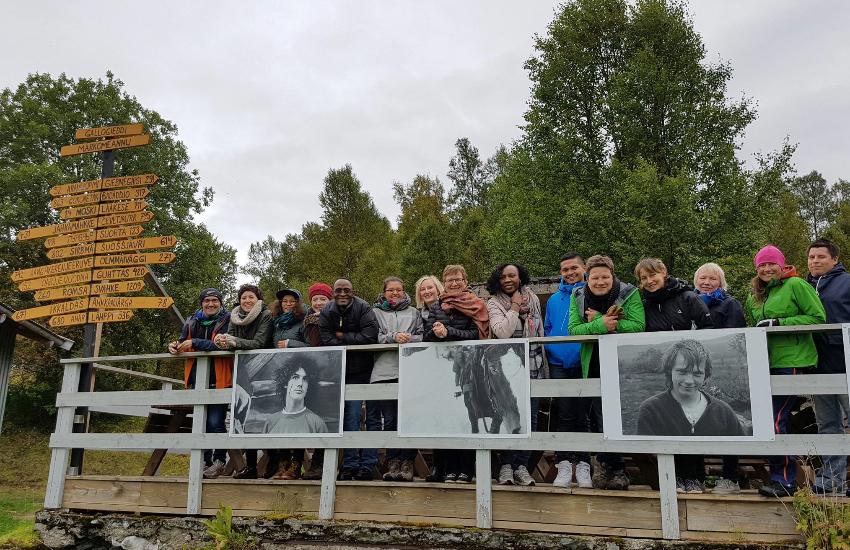
Indigenous Studies - master
International Master's Programme in Indigenous Studies in Arctic Norway.
Følg @uitstudent på Instagram eller TikTok for å få et enda bedre innblikk i hvordan det er å studere på UiT. Her viser studentene fram sin studiehverdag, deler tips og nyttig informasjon, og du kan stille spørsmål om alt du måtte lure på.
Sjekk også @uitnorgesarktiske på Instagram eller TikTok for info om studier, jobbmuligheter og forskning.
