'A Clear Demand for Knowledge'

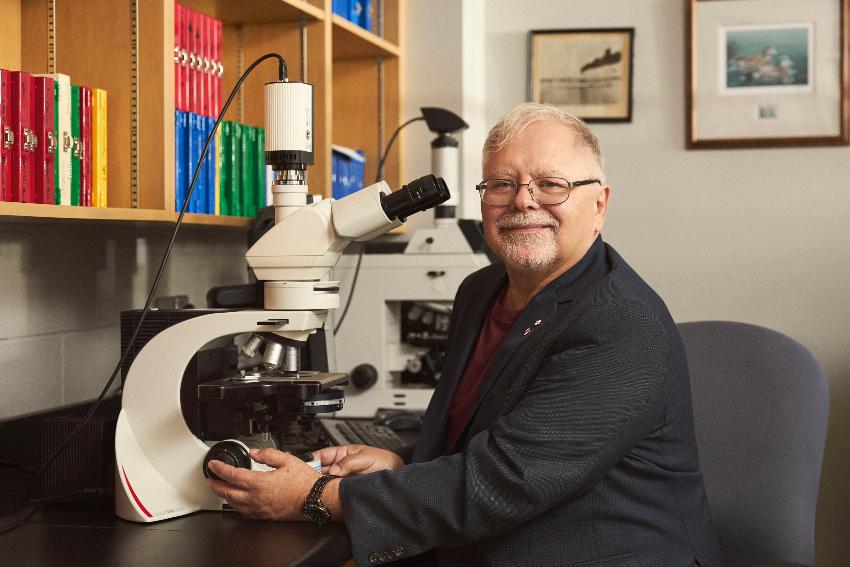
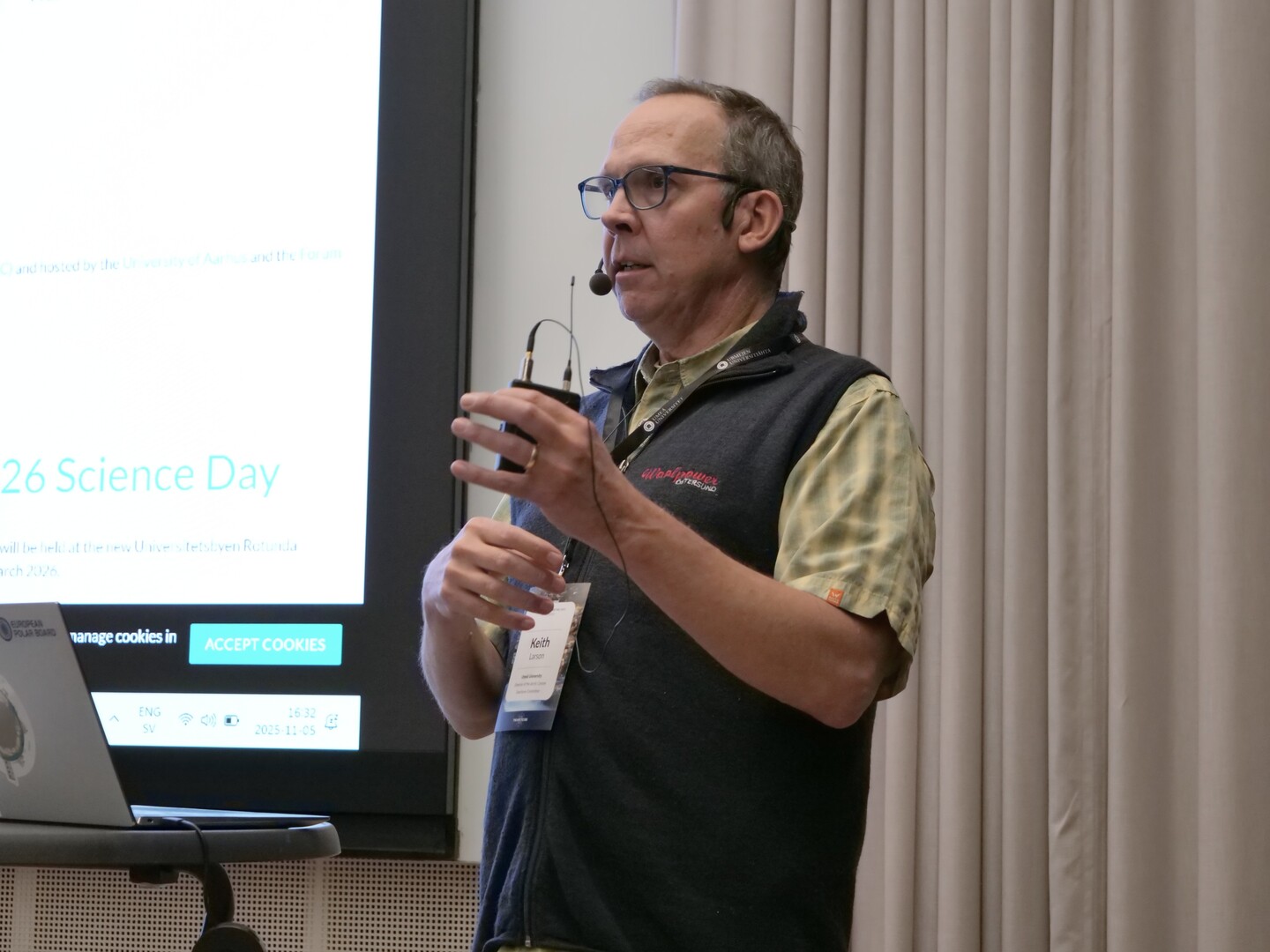
'Leading actors in politics and governance in Nordic and European capitals are now seeking knowledge from researchers working in and for the Arctic regions, ' says Keith Larson. He is the director of the Arctic Centre at Umeå University and the head of the research working group for the Arctic Six.
'We possess the knowledge of what it takes to live, work, and thrive in Arctic communities. Our research can influence the framework conditions for our living standards, especially when it is interdisciplinary, ' Larson states.
The Arctic Six prioritises research on energy and security in the Arctic regions. Larson believes that the knowledge developed in this field can be of great importance in addressing challenges arising from both geopolitical tensions and climate change.
'There is a clear demand for knowledge about energy resources and security. Whether it concerns food or energy security, or the desire to protect national territory, it must be based on knowledge of local conditions, ' he emphasises.
Opening Doors for New Researchers
Larson highlights that the Arctic Six will, in the coming years, strengthen its efforts to support early-career researchers (called Fellows). Experienced researchers in the Arctic Six (referred to as Chairs) provide them with both academic and career guidance.
'I believe the focus on early-career researchers is very important because they are the researchers of the future, ' says Larson.
The Arctic Six facilitates opportunities for these researchers to gain experience in various environments and networks, whether it involves scientific expertise or applying for research funding.
'We have this fundamental process of skill development, and the feedback cycle becomes important for both senior and junior researchers. This is something the Arctic Six does in a unique way, ' concludes Larson.
Shared Challenges
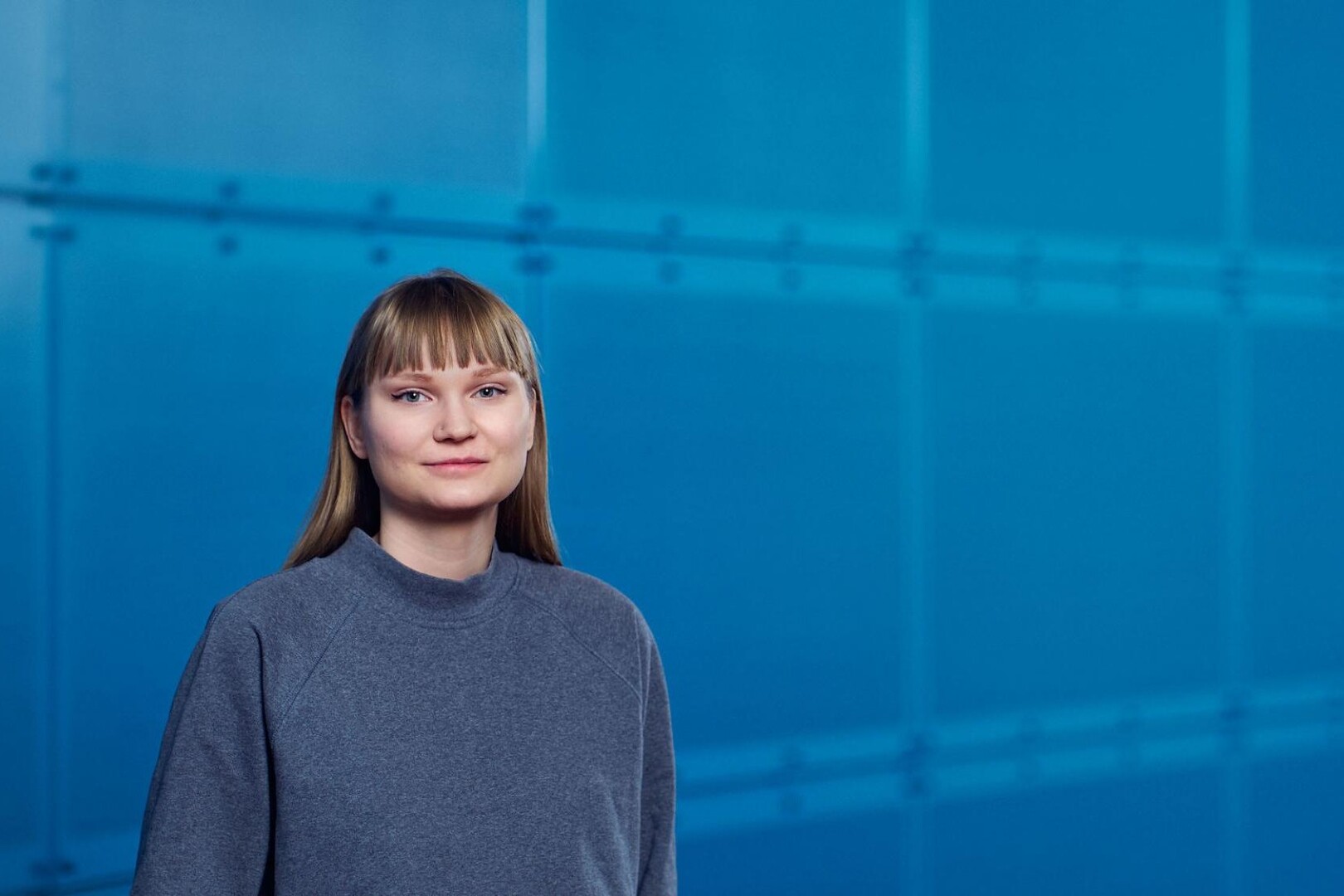
In November, an annual meeting for Chairs and Fellows in The Arctic Six was held in Umeå, Sweden. Roosa Ridanpää, a PhD candidate at the Faculty of Geographical Research at the University of Oulu, participated in the event. She is conducting research on sustainable tourism management.
'Sustainability challenges require interdisciplinary and interregional collaboration. This can provide me with greater insight into the scope of my research by gaining knowledge about what is being done in other disciplines – after all, we seem to be facing the same challenges, ' says Ridanpää.
At the annual meeting, she benefited from discussions with the Chairs. For her, it is important to learn more about how research can be applied in society.
'The discussions with the Chairs were insightful. The Arctic Six can help increase the visibility of my research to better reach decision-makers, ' she points out.
Inspiring and motivating
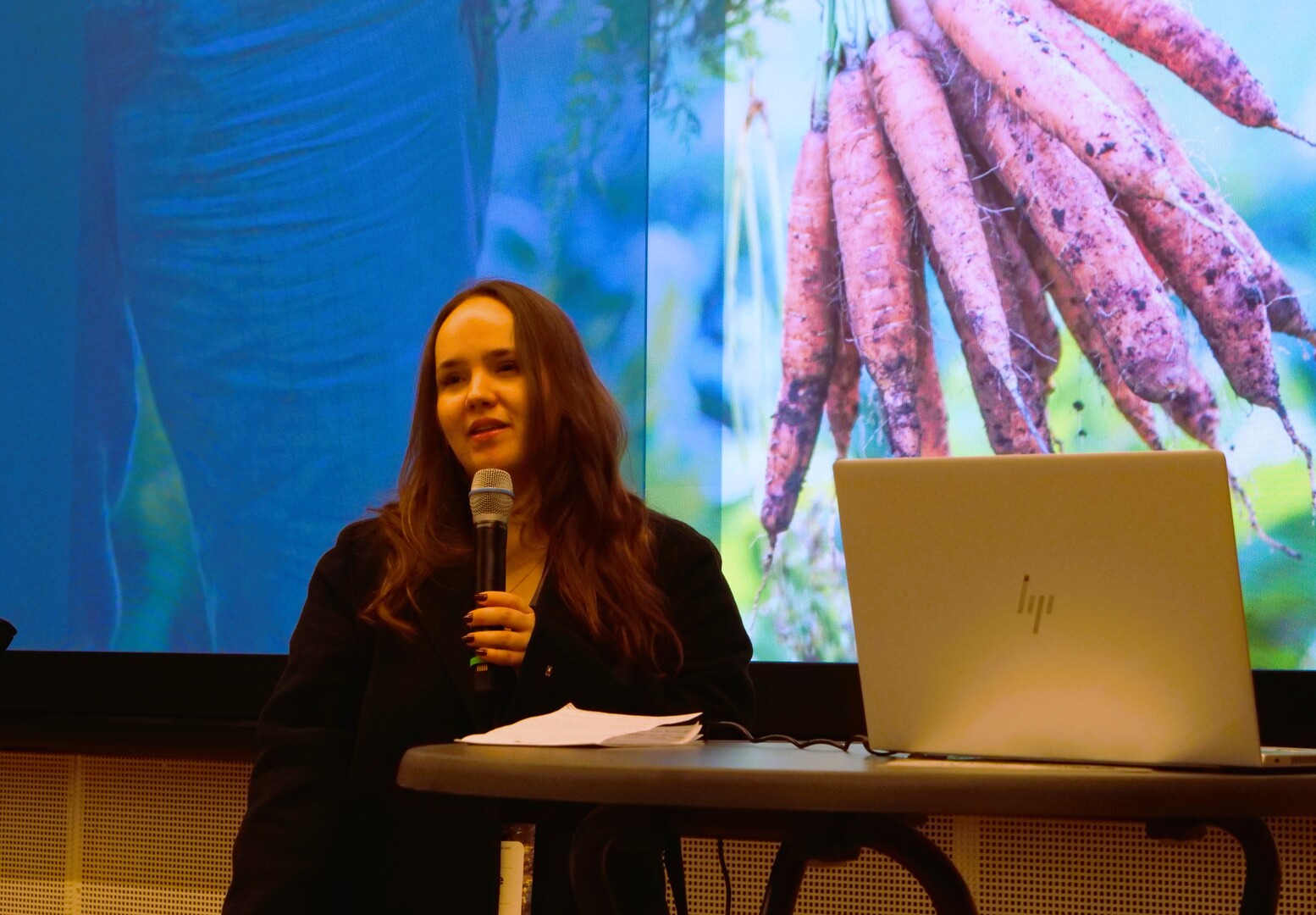
Another participant at the annual meeting was Sophie Rohde, a PhD candidate at the Business School at Nord University. Through her research, she hopes to contribute to a new understanding of how everyday life, values, and culture shape the possibilities for sustainability in Arctic communities.
'By studying local food systems and how people create meaning and belonging through food, we gain insight into how communities can become more resilient and self-sufficient – in ways that are adapted to Arctic realities, not just global models, ' she says.
Rohde believes that interdisciplinary collaboration is essential. For her, it opens up new opportunities to connect perspectives on culture, social sciences, technology, and politics.
'Collaborating with Nordic colleagues provides perspectives that I could not have developed on my own. Although we share many of the same challenges in the region, they are addressed in different ways in each country. This makes it possible to compare and learn across borders, ' says Rohde.
We possess the knowledge of what it takes to live, work, and thrive in Arctic communities. Our research can influence the framework conditions for our living standards, especially when it is interdisciplinary.
For her, support and follow-up from experienced researchers in The Arctic Six have been crucial.
'It has been both inspiring and motivating. Many of us are working on related issues, and I see great potential for further collaboration. They also have a wealth of experience that I can learn a lot from. The most important thing for me now is academic sparring and platforms where we can develop shared ideas, ' Rohde emphasises.
Finding Solutions through Research
Who are the early-career researchers in the Arctic Six, and what are they working on?
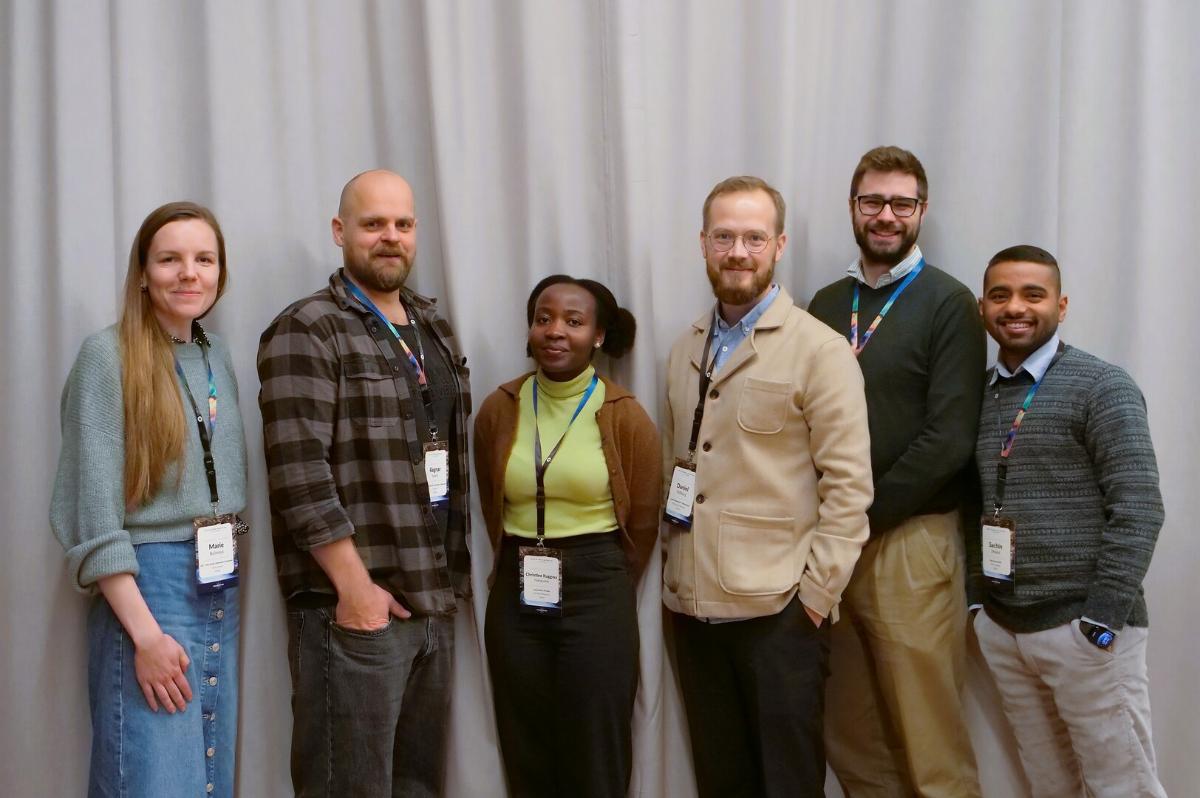
In November, the alliance's Fellows, who are PhD candidates and postdoctoral researchers, met in Umeå, Sweden, to present their projects. Their work is based on interdisciplinary collaboration between six Arctic universities.
Their research addresses societal challenges such as sustainable tourism, food security, Indigenous rights, digitalisation, the human body's tolerance to cold, hydropower, and environmental monitoring.
You can find more information about The Arctic Six Fellows here.
Tourism in a Warming Arctic
- Roosa Ridanpää, a PhD candidate at the University of Oulu, is researching solutions for regenerative tourism in response to a sustainability crisis.
- Dorothee Bonn, a postdoctoral researcher at Umeå University, is exploring sustainable solutions for mass tourism, based on local perspectives and entrepreneurship.
Local Solutions for Food Security
Three PhD candidates at Nord University are researching food security:
- Sophie Arneberg Rohde is mapping alternative food networks in the Arctic.
- Beste Sabir Onat is developing new platforms to enhance understanding of food preparedness among young people through participatory research.
- Sashin Dhacal is investigating how seaweed can be used as a resource, including as feed for reindeer.
Identity, Culture, and Digitalisation
- Daniel Fjellborg, a PhD candidate at LTU, is researching how human rights violations have affected Indigenous peoples and ethnic minorities in Norway, Sweden, and Finland.
- Rauni Äërelä Vihriälä, a postdoctoral researcher at the University of Lapland, focuses on intergenerational dialogue, climate change and the revitalisation of Sámi culture.
- Amna Qureshi is creating digital platforms to preserve Sámi knowledge and culture.
- Michel Rouleau-Dick is researching how digitalisation can strengthen the rights of small states and nations.
Health, Environment, and Technology
- Mojdeh Rafieian, a PhD candidate at UiT, is studying how diabetics are affected by cold and heat.
- Yin Hu, a postdoctoral researcher at Luleå University of Technology, is developing lithium batteries that can withstand extreme cold.
- Ragnar Seton, a postdoctoral researcher at UiT, is develping tools for environmental monitoring through gas measurements.
- Christine Kaggwa Nakigudde, a PhD candidate at the University of Oulu, is using data models to improve hydropower production.
- Marie Bulínová, a PhD candidate at UiT, is investigating methane emissions from Arctic lakes and how they are affected by global warming.