- It was a really, really good course!
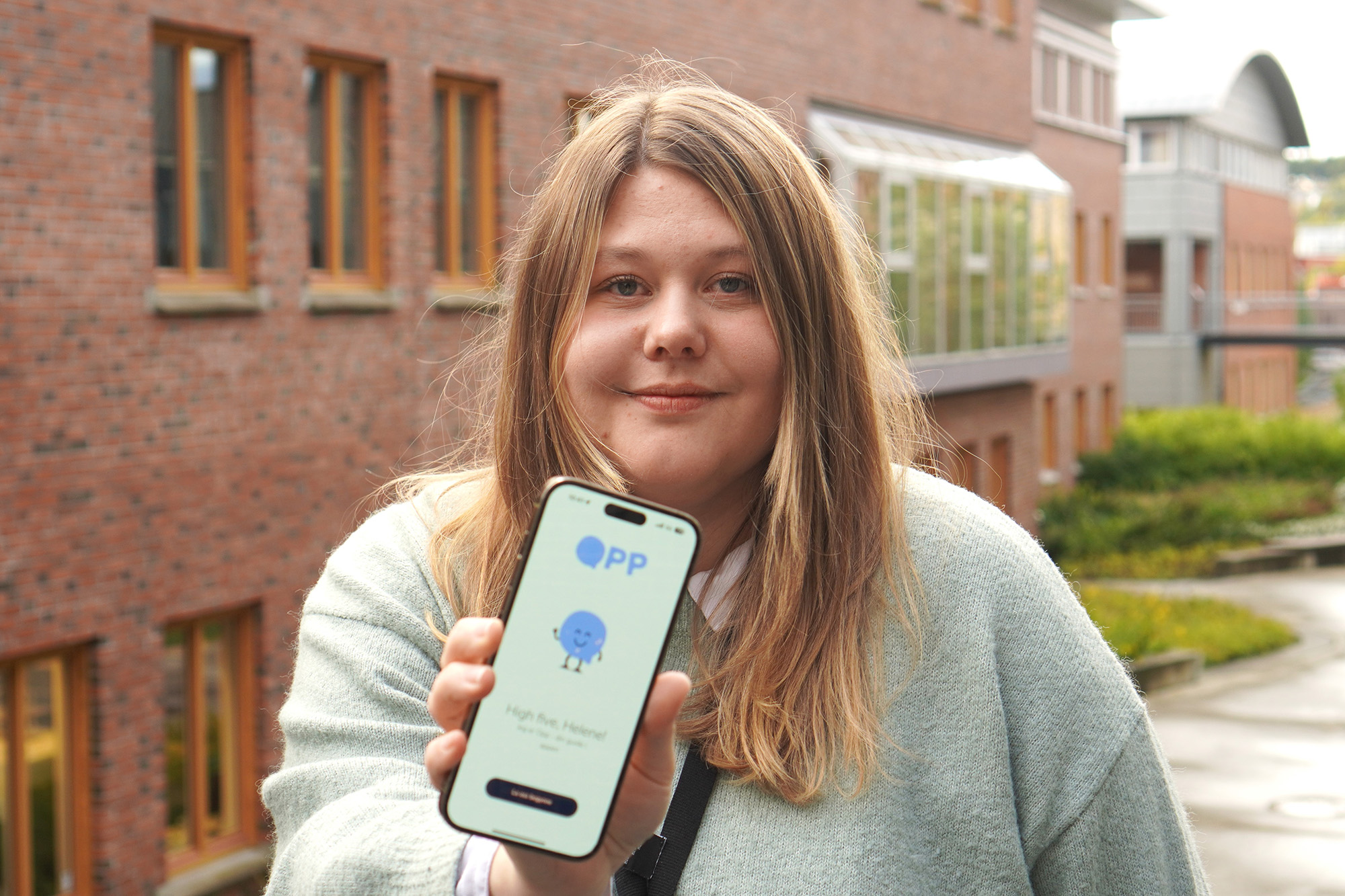
Helene Høgsdal was impressed by the speakers at the spring 2026 Bootcamp. Now she has a clear message for other UiT researchers.
At the turn of November and December, InnoHub will be running a brand-new Bootcamp: a four-day workshop designed to give UiT researchers both useful tools and inspiration to identify the innovation potential in their own research.
But what do our researchers actually gain from signing up for such an intensive workshop?
After all, it takes up four full working days.
Got the opportunity – and took it
We spoke to Helene Høgsdal, who took part in the course in April. She was fortunate enough to be offered a place when the head of her research group at RKBU North (the Regional Centre for Child and Youth Mental Health and Child Welfare, Northern Norway) had to withdraw.
“It was excellent! It was an incredibly good course, with really skilled facilitators. They were good at making it relevant to us and showing us how we could put the knowledge into practice.”
She now warmly recommends the course to all researchers, regardless of their field of research.
“It was extremely valuable for the projects I am involved in, particularly being introduced to new ways of thinking strategically. And getting input from others on different ways of thinking is, of course, very useful as a researcher.”
Read more about this autumn’s workshop and sign up here.
More than commercialisation
It is easy to think that innovation is only about products, sales and commercialisation. However, Høgsdal is clear that this is far too narrow a view of innovation.
“If you do not know much about innovation, you often think you need to have a product to sell. The great thing is that the methods we learned at the Bootcamp are suitable for both social and more commercially focused innovations,” Høgsdal explains.
She herself works primarily with social innovation, or new ways of organising services and support. During her PhD, she worked on the mobile apps Opp and Nettopp.
The apps were developed to help young people access information about mental health and learn how to deal with negative experiences online.
Meet NAV advisers Stine and Pia, who use the Opp app as a tool to prevent and reduce absenteeism among young people (in Norwegian)
Høgsdal will now continue developing the two apps to make them even better.
“We have just received funding from UiT Talent to investigate whether it would be safe to integrate an AI chatbot into the Opp app, making it even more user-friendly for young people. But first and foremost, we need to find out whether this can be done safely and with appropriate quality assurance,” she concludes.