NCLOS Annual Conference 2026 Successfully Concluded
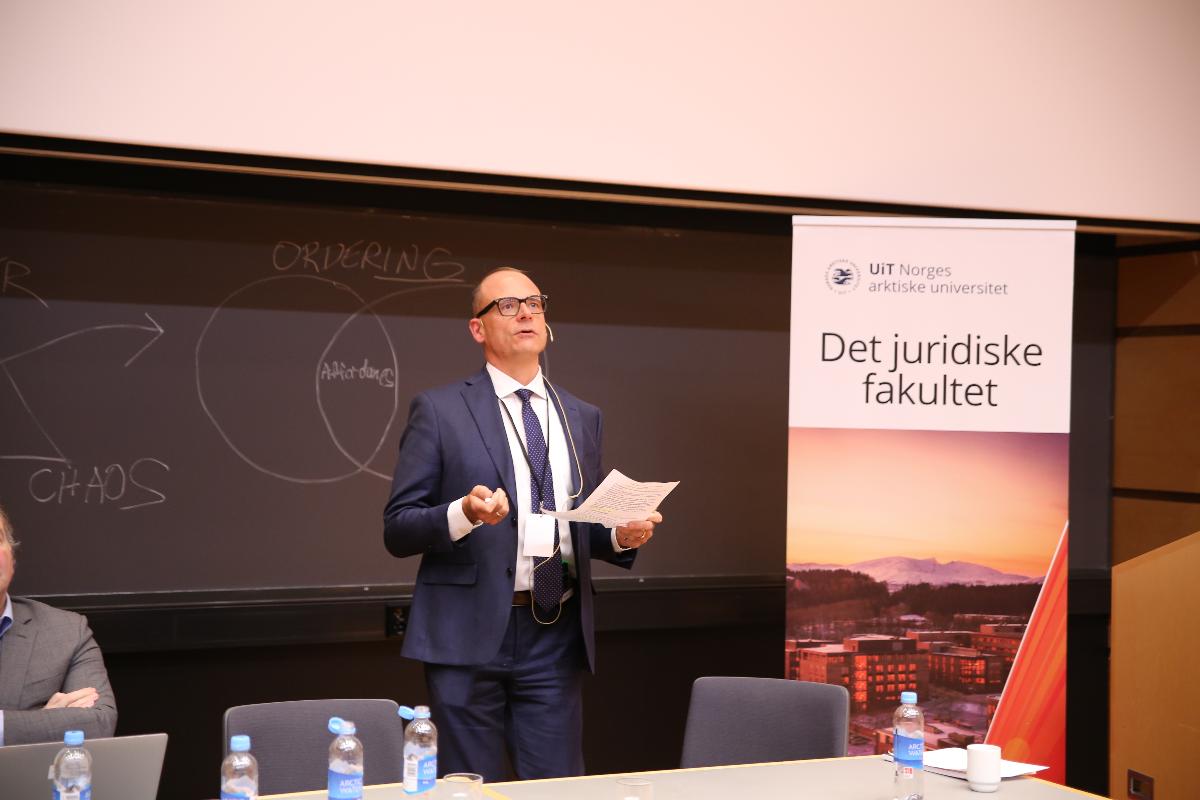
From 3 to 5 November, the Norwegian Centre for the Law of the Sea (NCLOS) held its annual conference at UiT. This year's conference was titled “Swinging Tides: Transformations and Resilience in the Law of the Sea”.
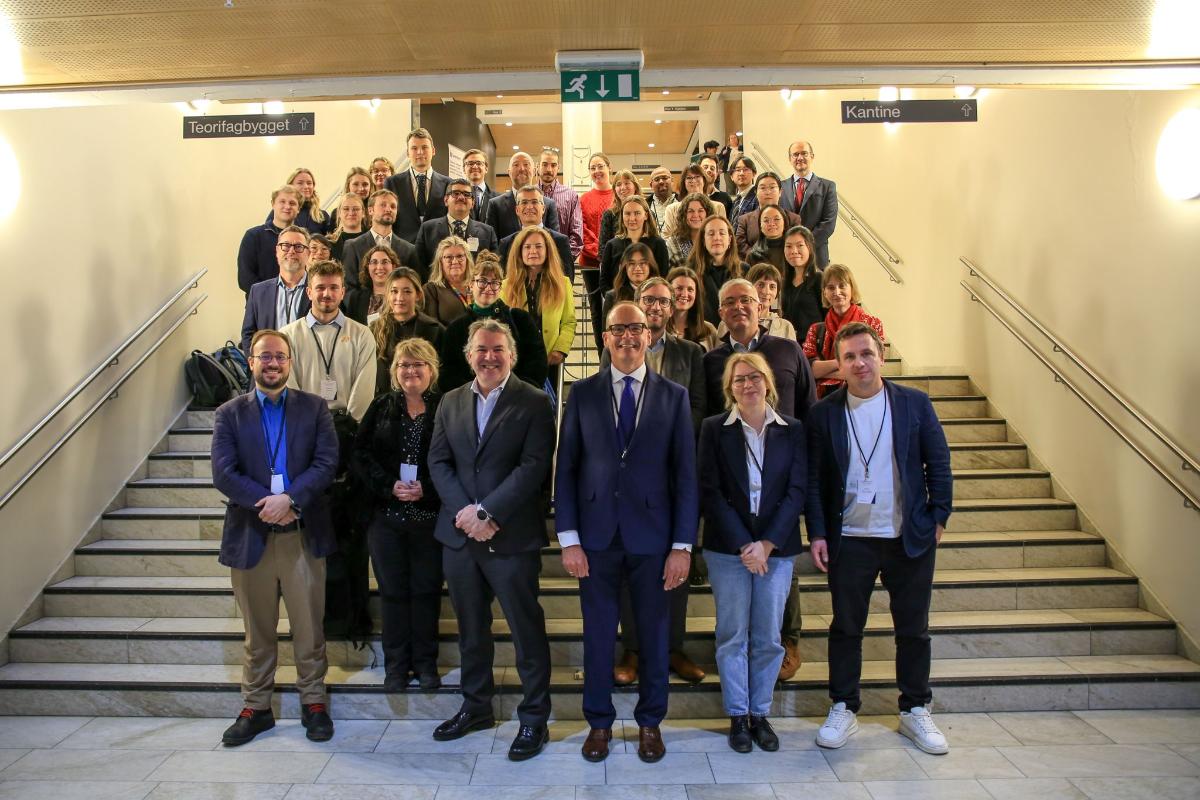

The annual NCLOS conference brings together researchers, experts and policymakers from around the world to share research and discuss current issues in the law of the sea.
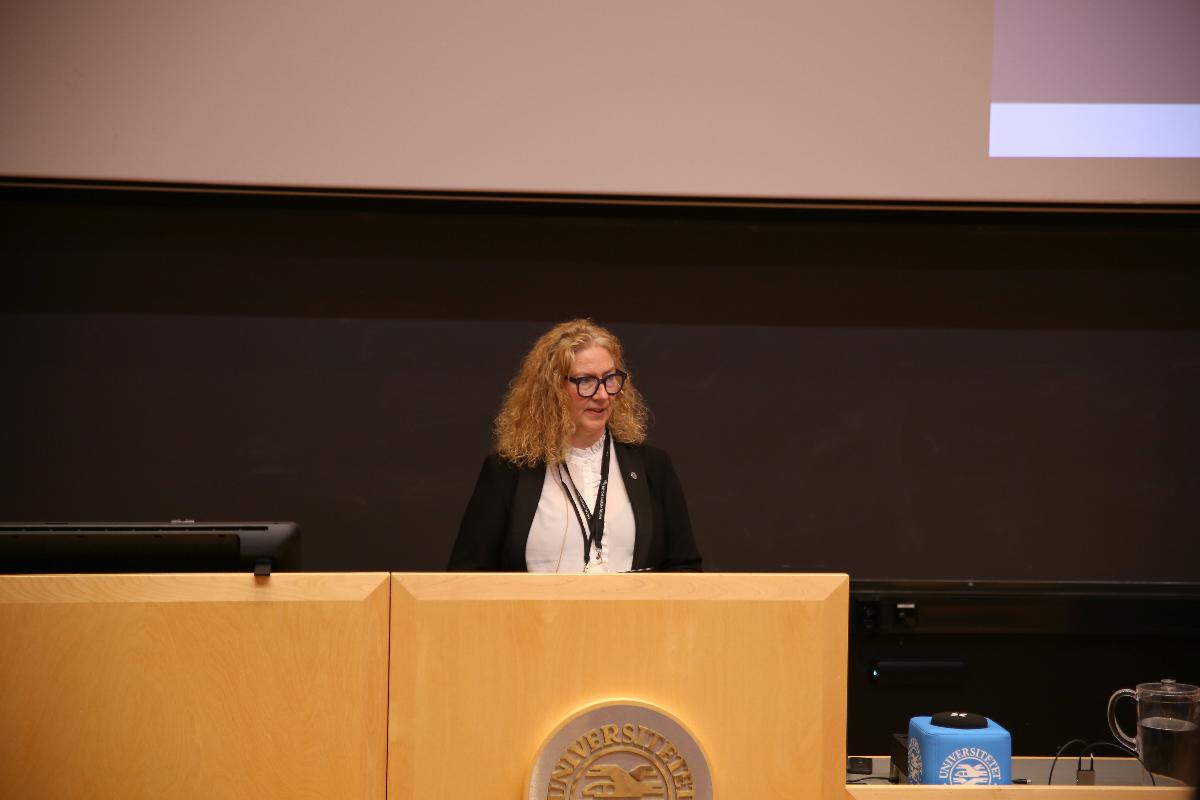
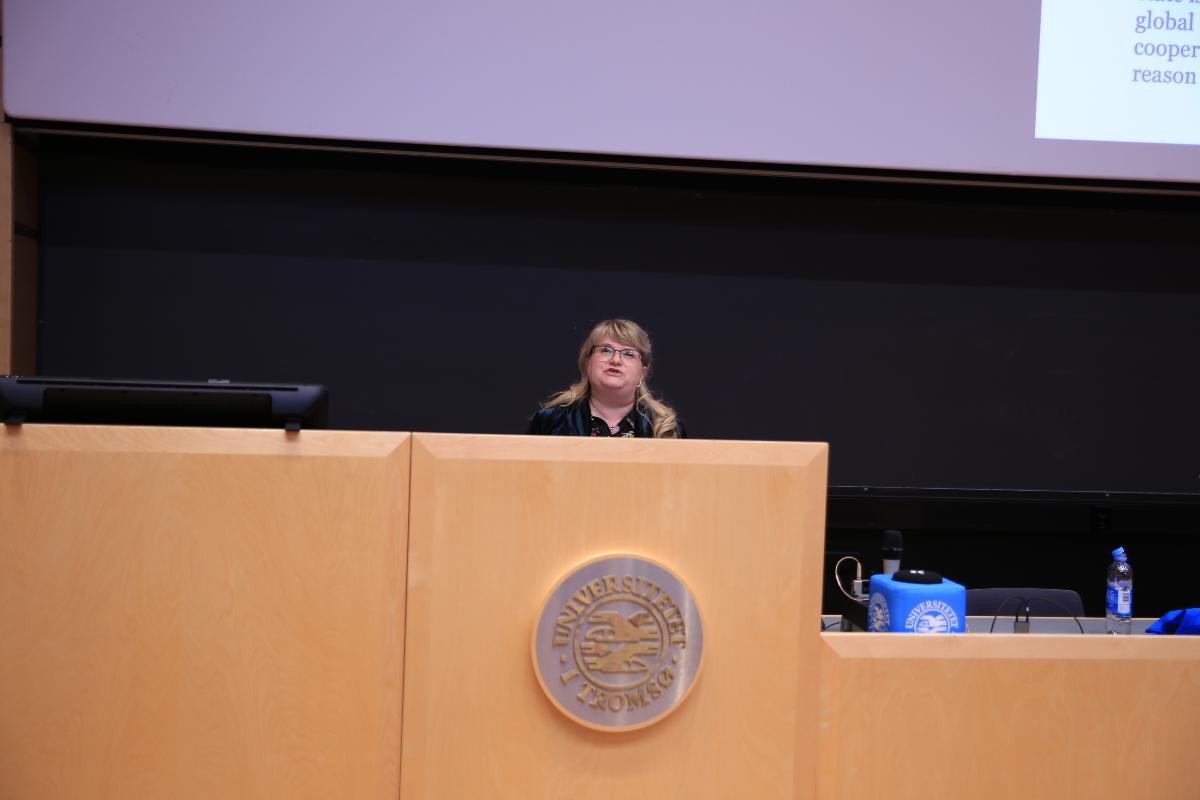
The conference was opened by NCLOS Director Vito De Lucia and Dean of the Faculty of Law, Kristine Helen Korsnes.
– Geopolitical tensions, climate change, and technological developments are testing long-held assumptions. For those of us in the Arctic, this is not theoretical. Here in the arctic, climate change, resource governance, Sámi and Indigenous perspectives, and international relations meet every day. Stable legal frameworks matter,” said Korsnes.
– That is why NCLOS is so important to the Faculty and the country, and why we are proud to host you,” she added.
Wednesday: New Challenges for International Law
Wednesday's keynote lecture was delivered by Nikolas M. Rajkovic, Professor of International Law at Tilburg University in the Netherlands and affiliated with Harvard Law School's Institute for Global Law and Policy.
In his lecture, “MAPLESS: International Law, Geopolitics and the Changing Geography of Order”, Rajkovic argued that international law can no longer be understood solely through states, national borders and formal sources of law, such as treaties and international agreements.
Wednesday's first panel focused on issues related to maritime security, law enforcement and naval warfare. The second panel explored new technologies and scientific advances relating to the oceans. The third and final panel of the day addressed issues concerning deep-sea mining.
Thursday: The Resilience of the Law of the Sea
Thursday's keynote lecture was delivered by Karen N. Scott, Professor at the University of Canterbury in New Zealand.
Scott highlighted four major challenges: the rise of the shadow fleet, demands for payment for passage through the Strait of Hormuz, China's actions in and beyond the South China Sea, and unilateral US initiatives concerning deep-sea mining.
The day continued with two panel discussions. The first focused on the interaction between different international legal regimes and the law of the sea, followed by a panel examining the resilience of the law of the sea in a world marked by increasing geopolitical tensions.
This year's conference concluded with a panel discussion featuring Rajkovic, Scott, De Lucia and Professor Richard Barnes, moderated by Jan Solski. The discussion brought together several of the conference's central themes, including the future of the law of the sea and how international legal rules can respond to emerging challenges.
Kortnytt fra Det juridiske fakultet