"We must adapt to a rapidly changing world"
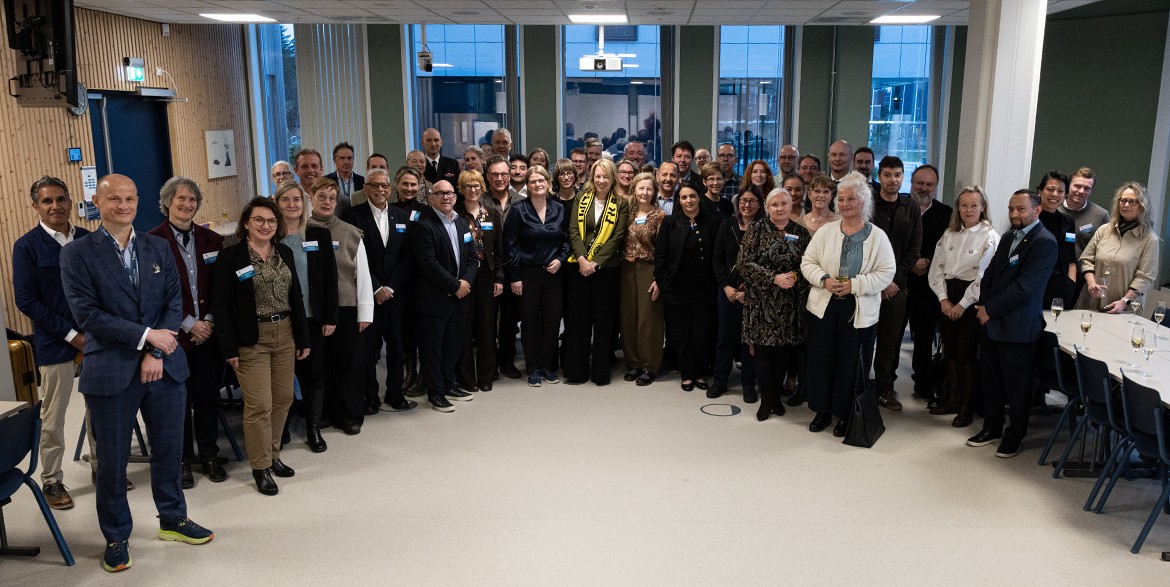
Geopolitical tensions have created new opportunities for international university cooperation. An Arctic Six workshop was recently held in Bodø, where Arctic universities in Canada and the Nordic countries shared ideas about new joint projects.
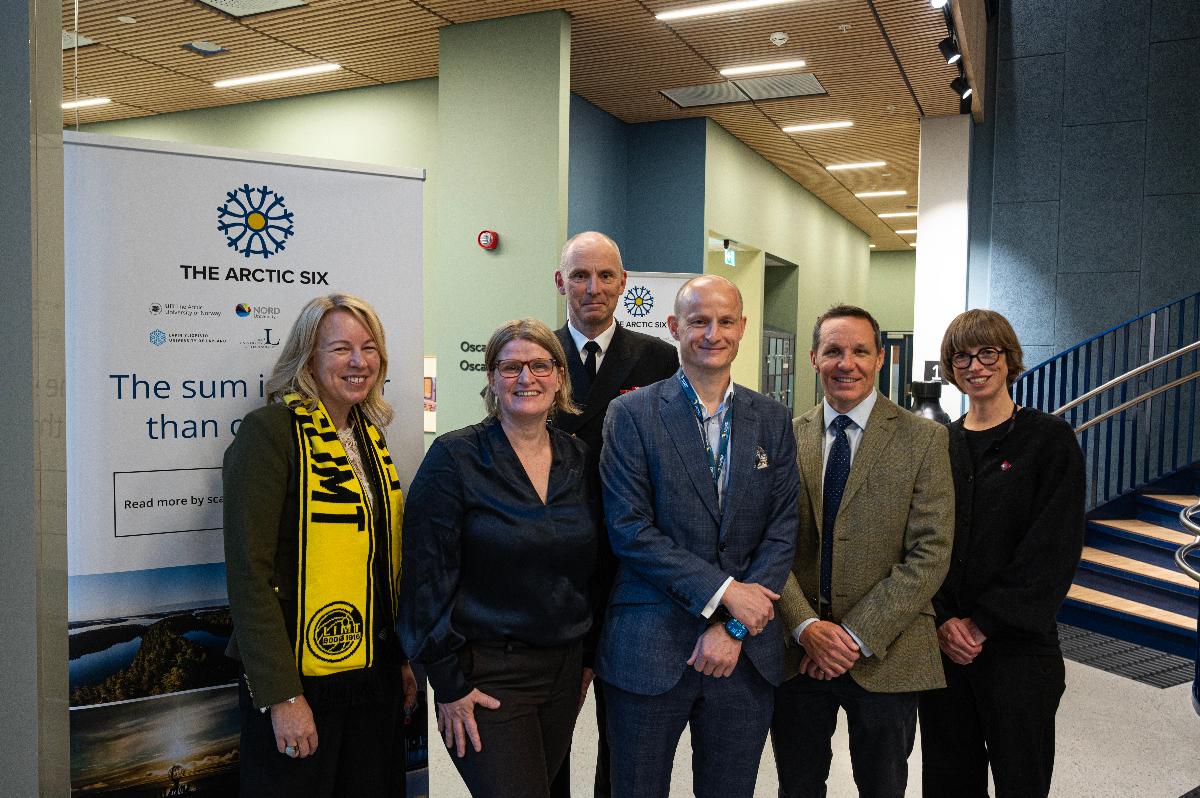

The workshop, entitled Canada–Arctic Six: Northern Innovation Initiative, was held at Nord University on 13–14 October 2026.
One of the main aims of the workshop was to identify new platforms for long-term cooperation in research, innovation and education.
Researchers and university staff from Norway, Sweden, Finland and Canada discussed academic perspectives on topics including security and defence, renewable energy and energy security, the extraction of critical minerals and resource development, Indigenous knowledge, environmental issues and local communities in the Arctic.
One of the people leading the workshop was Keith Larson, director of the Arctic Centre at Umeå University and head of the research working group within The Arctic Six. He stressed the importance of being aware of the opportunities that are now emerging.
“Everyone realises that we must adapt to a rapidly changing world. Whether the focus is on preparedness, critical minerals, competitiveness or innovation, we need to work on these issues together. This must happen before the calls for proposals are published, so that we are prepared to adapt to a highly competitive funding environment,” he says.
Call for proposals on an ice-free Arctic
The workshop focused particularly on the forthcoming call under the EU’s Horizon Europe funding programme for the period 2028–2034. A total of €175 billion has been earmarked for research and innovation funding.
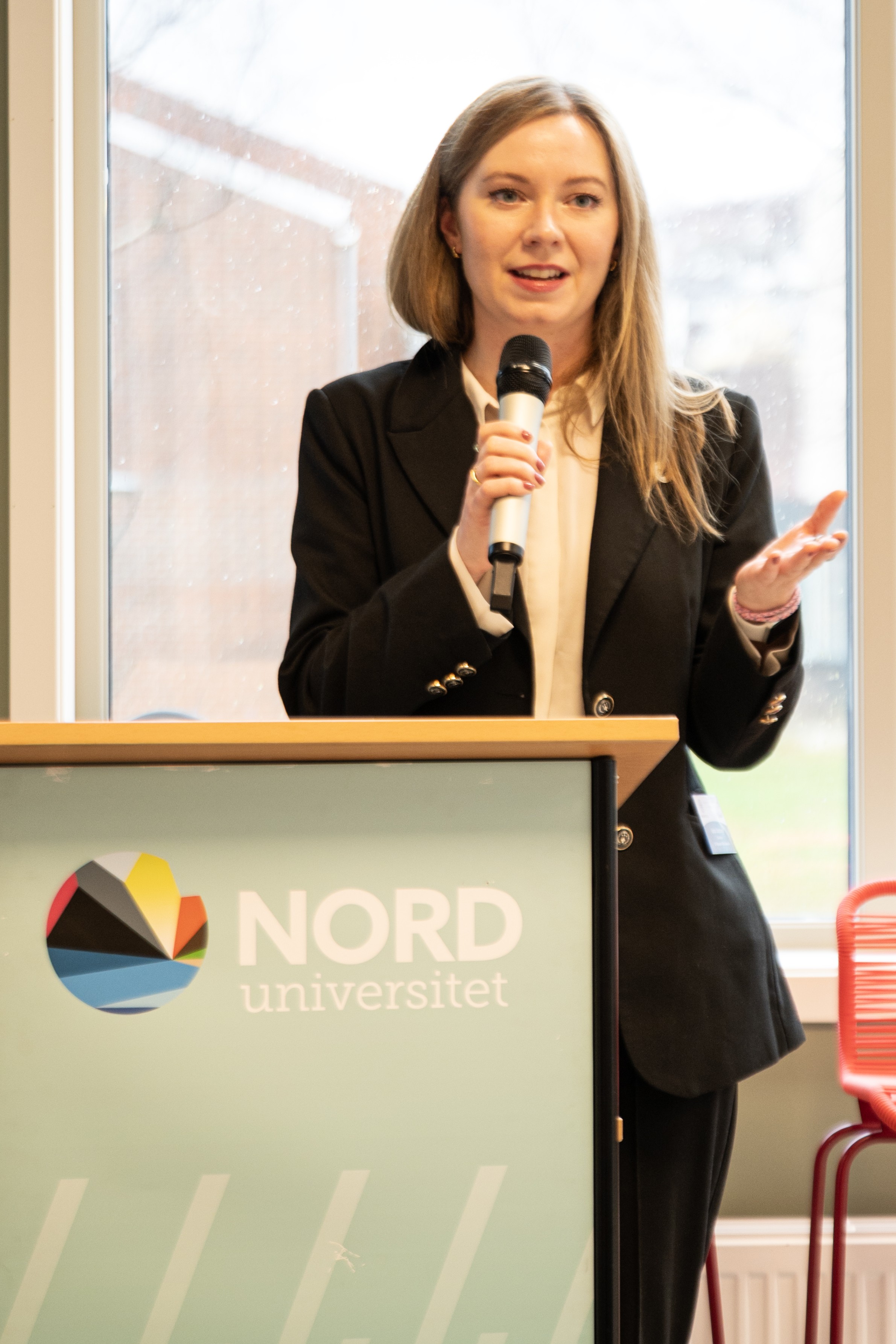
Linda Solstrand, senior adviser for UiT based in Brussels, presented the options available to the researchers in attendance. She believes that the EU’s political priorities are changing, which is also affecting the Horizon Europe programme. The EU’s positions will become publicly known next week, when the Union launches its Arctic strategy.
“We can see that the EU is investing in the Arctic at the moment, and the Union is an important player when it comes to funding Arctic research. The call for proposals on an ice-free Arctic is an excellent opportunity for cooperation between Arctic Six and Canada in particular. I believe that our universities can make a strong contribution because we have thematic expertise, capacity and competence in Arctic research,” Dahlberg emphasises.
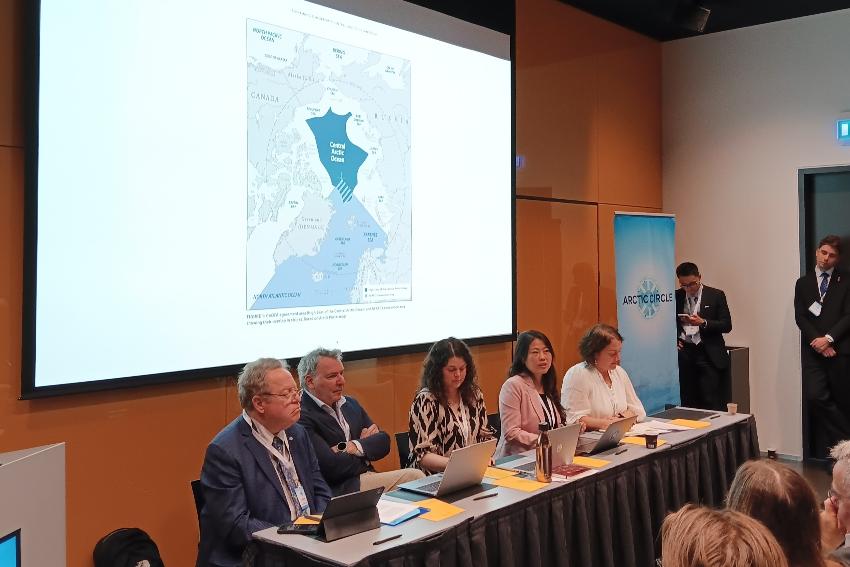
The Arctic Ocean 2050 and IPY-5
UiT has been given responsibility for leading the Arctic Ocean 2050 research programme, in which 19 Norwegian research institutions are participating. The EU call entitled Governance, sustainable development and international politics of a future ice-free Arctic (HORIZON-CL6-2027-02-CLIMATE-01) now allows for international contributions. Researchers from the Arctic Six alliance may also be included as applicants.
“This could provide a useful opportunity to create further momentum for this important research programme. It will also facilitate the international cooperation we genuinely need for the programme to succeed,” Dahlberg adds.
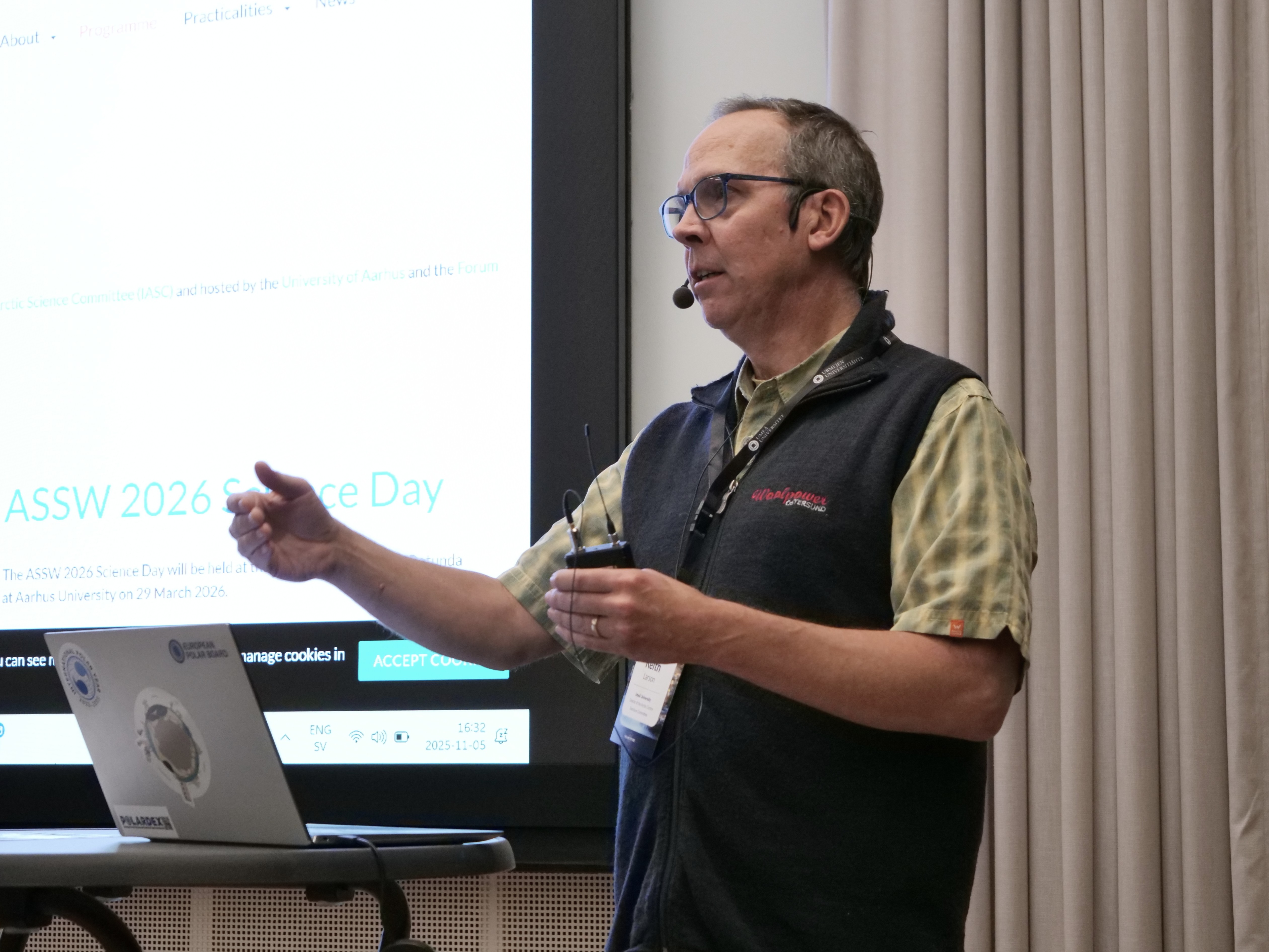
Larson believes that the Arctic Six could have good chances of success if the alliance applies for funding for new projects together with partners in Canada.
“The momentum for cooperation between Canadian universities and the universities in Arctic Six is currently very strong. If we look at how Arctic Six has developed over the years, we have become far more specific and concrete. But we have realised that we need to do more. If the Chair programmes are to succeed in Horizon projects, we cannot cooperate only internally. We must also work with other strong institutions that have a clear Arctic profile,” says Larson.
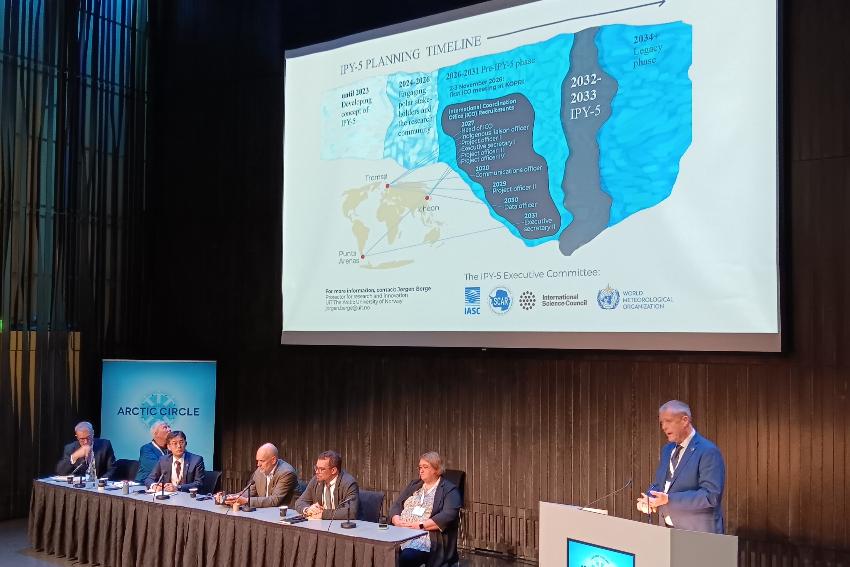
Although the EU has not yet decided to what extent funding will be provided for the fifth International Polar Year (IPY-5), for which UiT leads the international secretariat, Solstrand does not rule out the possibility that Arctic Six universities may also contribute to this programme.
“It is also possible that the Arctic Six networks could be included. One of our strengths is our ability to use a broad network to mobilise research capacity and expertise that we would never have had without our partners,” says Dahlberg.
The Arctic Six
-
An alliance between six Arctic universities in Norway, Sweden and Finland.
-
Together, the universities have 10,000 researchers and 100,000 students.
-
They collaborate on education, research and innovation that can help develop the Arctic as a sustainable region.
-
Business and industry stakeholders in the three countries are also involved in close collaboration with the Arctic Six universities.
-
The Arctic Six forms a separate regional centre for the international UArctic network.
Powerful advantages
During the workshop in Bodø, Amy Baker, Canada’s ambassador to Norway, highlighted the tense geopolitical situation as the backdrop to the need for increased cooperation with countries in the Nordic Arctic.
“There is a natural partnership between Canada, Norway, Sweden and Finland. We all belong to the Arctic region, and we share the same values. Our situation has become more vulnerable because of our strategic position in the north. Therefore, we must do what we can to work together to maintain security and sustainability in the Arctic,” said Amy Baker, Canada’s ambassador to Norway.
But how can this political ambition be translated into research cooperation? First and foremost, there are a number of institutions in Canada that can fund new research initiatives across the Atlantic. These funds can be combined with funding from the EU and Nordic institutions.
Financing research in Nordic countries and Canada
- Belmont Forum
- NordForsk
- Polar Knowledge Canada
- Nordic Energy Research
- NSERC - International Collaboration Grants
- New Frontiers in Research Fund (NFRF) - The International Stream
“We are six universities facing many of the same challenges, and we can respond more flexibly to society’s needs. We have 10,000 researchers and 100,000 students spread across three countries. We also have three separate Arctic strategies, but we can respond with one voice and in a flexible way to the same societal challenges. We must not forget how powerful this is, because competition is intense at the moment,” says Larson.
If Arctic Six also cooperates with Canadian institutions, the alliance can take its ability to adapt to a new level, he believes.
“This means that we genuinely have an opportunity to lead the way in Arctic research internationally, rather than allowing it to be led from elsewhere,” Larson emphasises.
Kortnytt fra Fakultet for humaniora, samfunnsvitenskap og lærerutdanning, Senter for geopolitikk, fred og sikkerhet, Seksjon for internasjonalt samarbeid