Calls for greater cooperation with Indigenous peoples to strengthen total defence
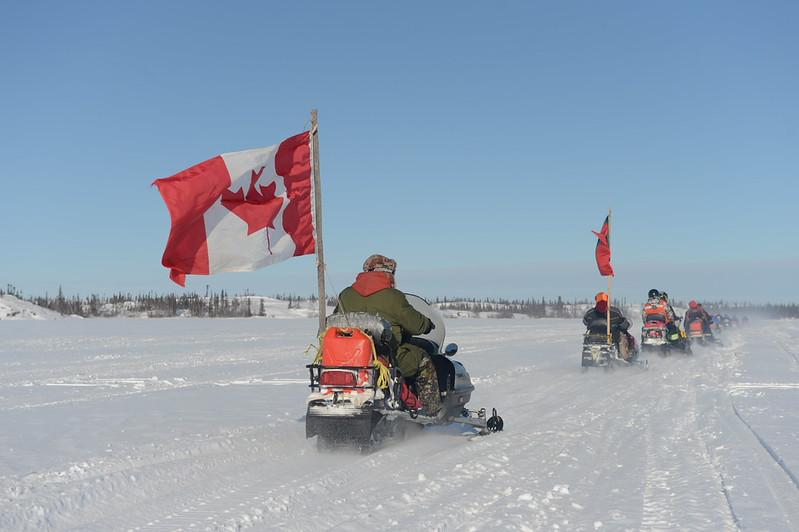
In Canada, vast Arctic areas are monitored by a force known as the Canadian Rangers, which is made up of a majority of Indigenous people. According to Gunhild Hoogensen Gjørv, Chair of the Arctic Six, this could be an effective way of reducing vulnerability to hybrid threats while also building trust at several levels.

What can the Nordic countries and Canada learn from each other when it comes to preparedness in Arctic regions?
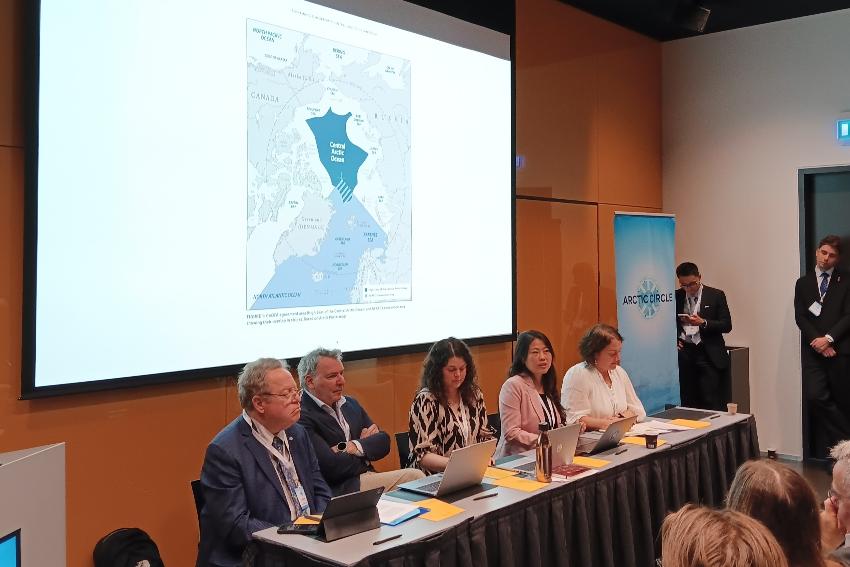
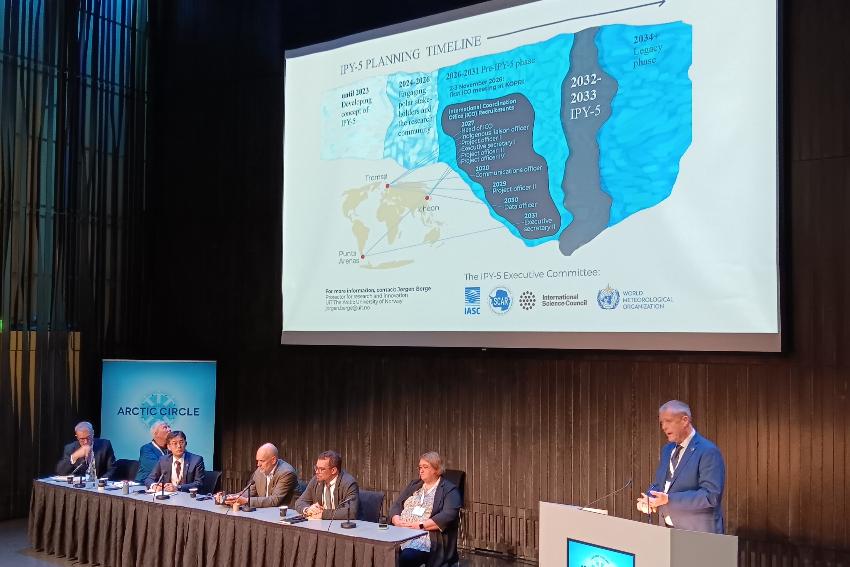
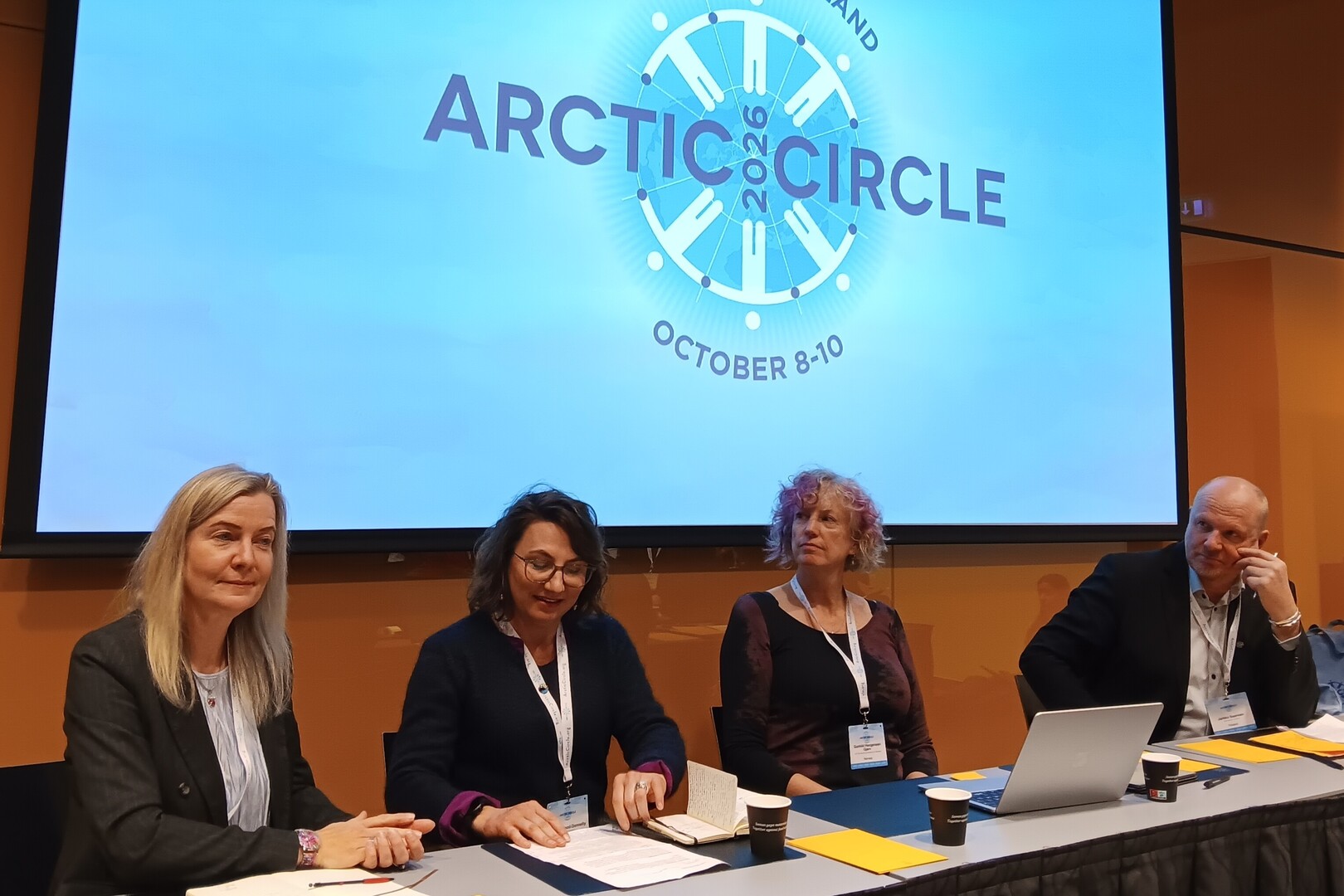
This was one of the questions discussed at the Arctic Circle conference, as Canada is now becoming more closely integrated with European countries in defence policy than it has been in the past.
Two researchers working together to analyse the similarities and differences between the preparedness models in Norway and Canada are Professors P. Whitney Lackenbauer and Gunhild Hoogensen Gjørv of Trent University and UiT The Arctic University of Norway, respectively.
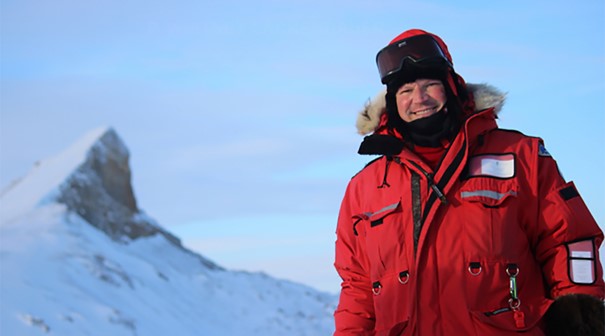
Unlike in Canada, people in the Nordic countries receive more extensive training in how they can cooperate with the authorities and serve as a preparedness resource during war and crises. There are also more platforms through which they can help remain vigilant and report potential hybrid threats.
Lackenbauer points out that, in recent years, there have been several cases in which possible hybrid threats have stretched the resources of Canada’s civil sector beyond capacity, resulting in significant expenditure for the authorities at both national and provincial level.
“Such attacks are primarily an attack on people’s trust in the state. That is why it is important to be careful about how we respond. In such a situation, we may also lose sight of the real danger, because it is coming from somewhere else. We can learn from the Nordic societies by building trust and sharing information openly with local communities about emerging threats,” he says.
Very different preparedness systems
For Gjørv, it is important to examine more closely what the civilian population can contribute from a defence and preparedness perspective. However, she emphasises that it would probably be difficult to introduce a Nordic total-defence concept in Canada, because the country has a federal system of government in which much of the responsibility for preparedness lies at provincial and municipal level.
“In Canada, the population is not integrated into a total-defence perspective. There is a clear distinction between the military and civilian spheres. It would probably not work to organise things in the same way as in the Nordic countries. Nevertheless, the Canadian authorities have an interest in ensuring that people learn new ways of approaching preparedness,” says Gjørv.
Indigenous peoples as partners
The Arctic regions of both the Nordic countries and Canada are vast, with long distances, dispersed populations and often limited infrastructure. In Canada, a way has been found to maintain preparedness and monitoring despite these challenges. This is done through an organisation known as the Canadian Rangers, which works with the country’s army.
The Rangers patrol large areas and comprise a force of 5,000 people, most of whom are Indigenous. They are active in 200 communities where 26 different languages and dialects are spoken.
“This is an interesting organisation. It is an example of how Indigenous people in Canada’s Arctic regions have gained greater recognition for being incredibly resourceful. They have a great deal to contribute, and the country’s central authorities have much to learn from their understanding of local preparedness,” Gjørv points out.
Total defence as a bridge-builder
She believes that establishing a similar organisation or partnership arrangement to strengthen Norway’s total defence could have a bridge-building effect and help create greater trust between Indigenous peoples and wider society. Gjørv also points out that another benefit would be reduced vulnerability and improved monitoring of hybrid threats in the High North.
“The Norwegian authorities would also have a stronger basis for negotiations in discussions about the development of critical infrastructure. There are still tensions between Sámi and non-Sámi society. By cooperating more effectively on total defence, we could create a better basis for discussing development in Finnmark and Troms in a way that does not come at the expense of Sámi rights. This could also give us the opportunity to invest in measures that benefit everyone who lives there,” Gjørv concludes.
Kortnytt fra Fakultet for humaniora, samfunnsvitenskap og lærerutdanning, Senter for geopolitikk, fred og sikkerhet