Listening to the Arctic: From Northern Norway to Oxford
UiT was well represented at the conference Music in the Arctic at the Faculty of Music, University of Oxford, 7–8 September 2026.
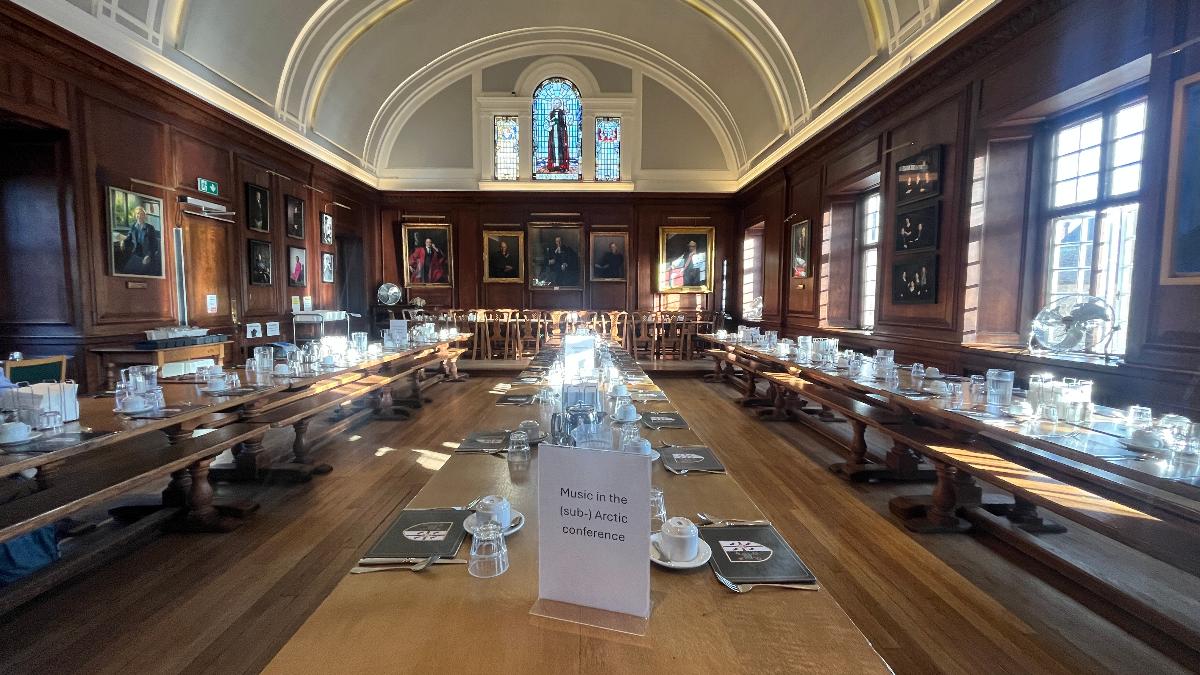


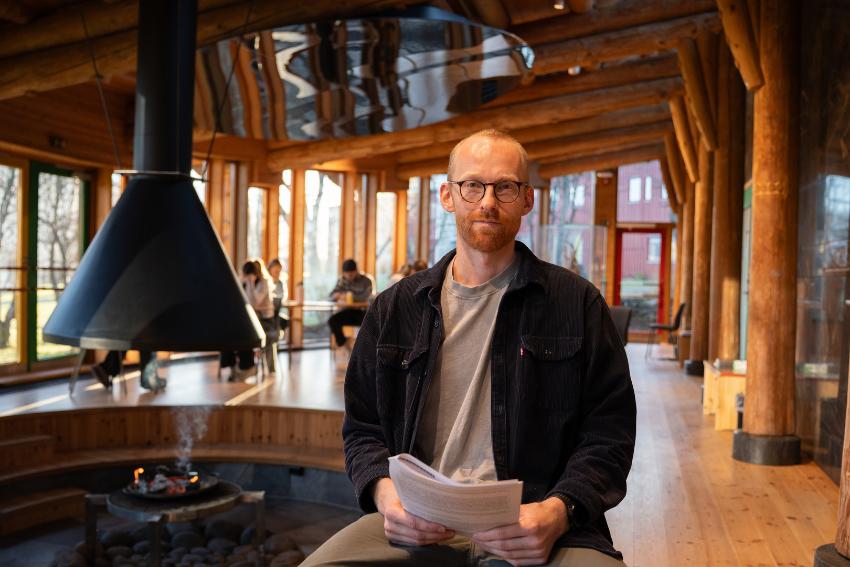
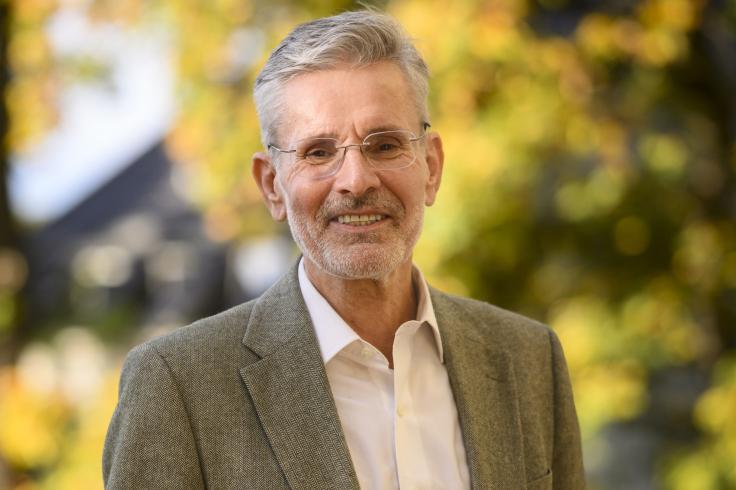
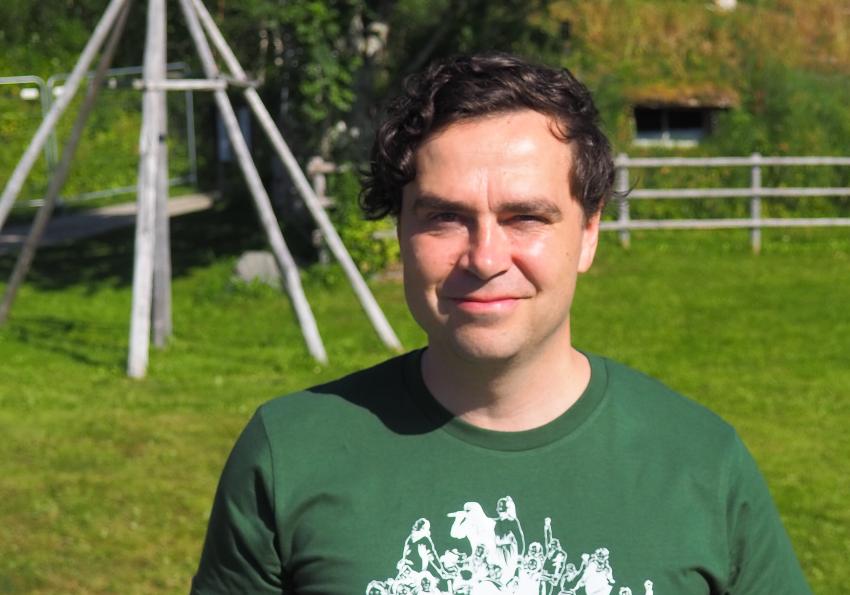
UiT was well represented at the conference "Music in the (sub-)Arctic" at the Faculty of Music, University of Oxford, 7–8 September 2026. Two contributions grew out of UiT's Environmental Humanities group and the Centre for Arctic Humanities (ArcHum), both reflecting on listening as a method. In the panel on (sub-)Arctic minorities, Ellen Marie Bråthen Steen, Lilli Mittner, and Kate Maxwell presented "Listening to the Arctic”, a practice-led paper that took Sápmi in Norway as the situated base for exploring circumpolar musical traditions. In the Arctic Sounds panel, Katrin Losleben introduced "diffractive listening" as a foundation for ’spaces of repair’ in current crises. The paper "Theorizing the Hydrosonic Arctic" emerged from Arctic Auditories – Hydrospheres in the High North. It drew on some soundwalks developed with participants in Tromsø/Romssa and the artwork The Beast and the Swarm at Torghuken.
The programme was organised by Charlotte Doesburg and Riitta-Liisa Valijärvi as part of Doesburg's Leverhulme-funded project on identity negotiations by metal bands from Finnish and Russian Karelia, and included renowned keynote speakers such as Tina K. Ramnarine, whose talk "Artifact and Aspiration: Notes on Music, Minorities and Cosmologies in the Subarctic" took the Sámi drum as its starting point; Philip Ross Bullock (Oxford) on Soviet pianism in the GULag; and Eleanor Peers and Aimar Ventsel on Sakha popular music.
The conference was held at the Stephen A. Schwarzman Centre for the Humanities in Oxford's Radcliffe Observatory Quarter, a new hub, opened in October 2025 and designed by Hopkins Architects, that brings together eight humanities disciplines, including Music, under one roof for the first time, alongside the Bodleian Humanities Library, the Institute for Ethics in AI, and public performance spaces such as the 500-seat Sohmen Concert Hall and the Bate Collection of historic musical instruments. The building is explicitly designed to put disciplines in conversation with one another and with audiences beyond the university; much the same ambition that drives interdisciplinary Arctic humanities work at UiT.
Kortnytt fra Fakultet for humaniora, samfunnsvitenskap og lærerutdanning, Musikkonservatoriet, Institutt for filosofi og førstesemesterstudier, Institutt for språk og kultur, Institutt for arkeologi, historie og religionsvitenskap, Senter for kvinne- og kjønnsforskning