Imagined Arctic: Exploring Literary Fiction and the Arctic's Symbolic Landscape
A recent seminar held in Anchorage delved into the fascinating world of literary fiction and its portrayal of the Arctic.
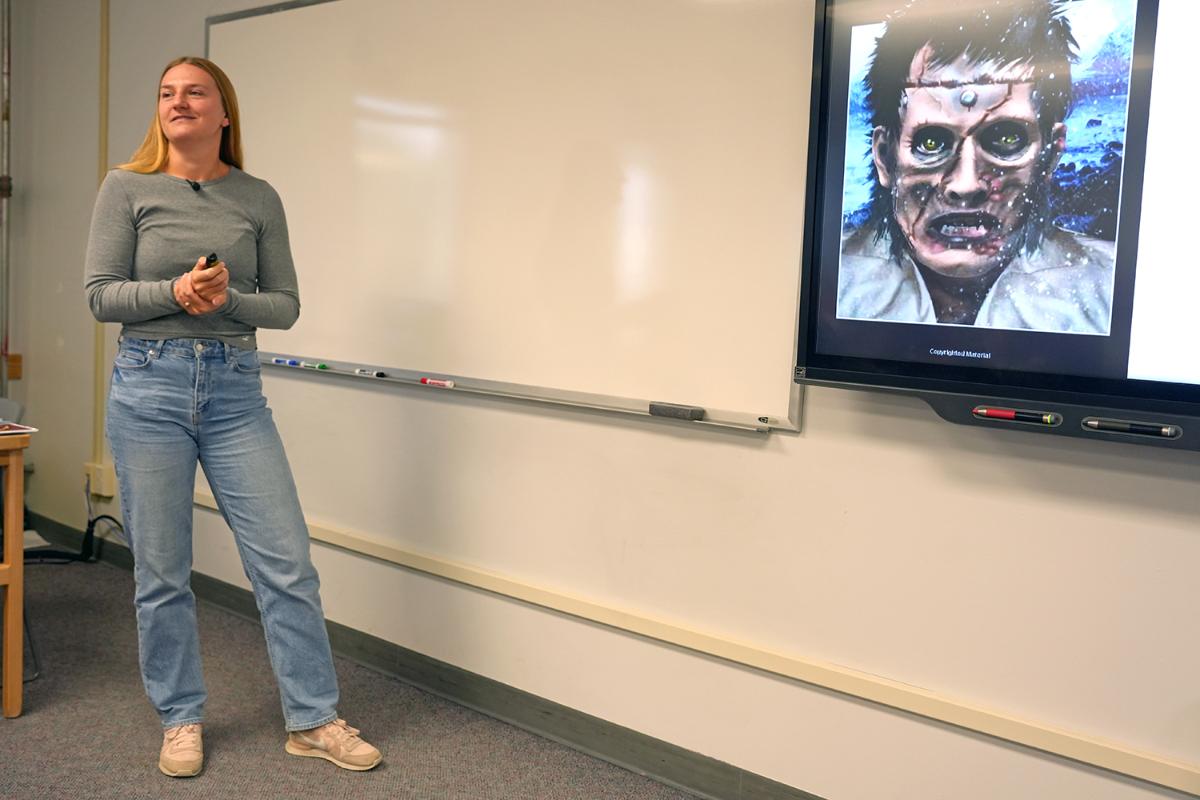
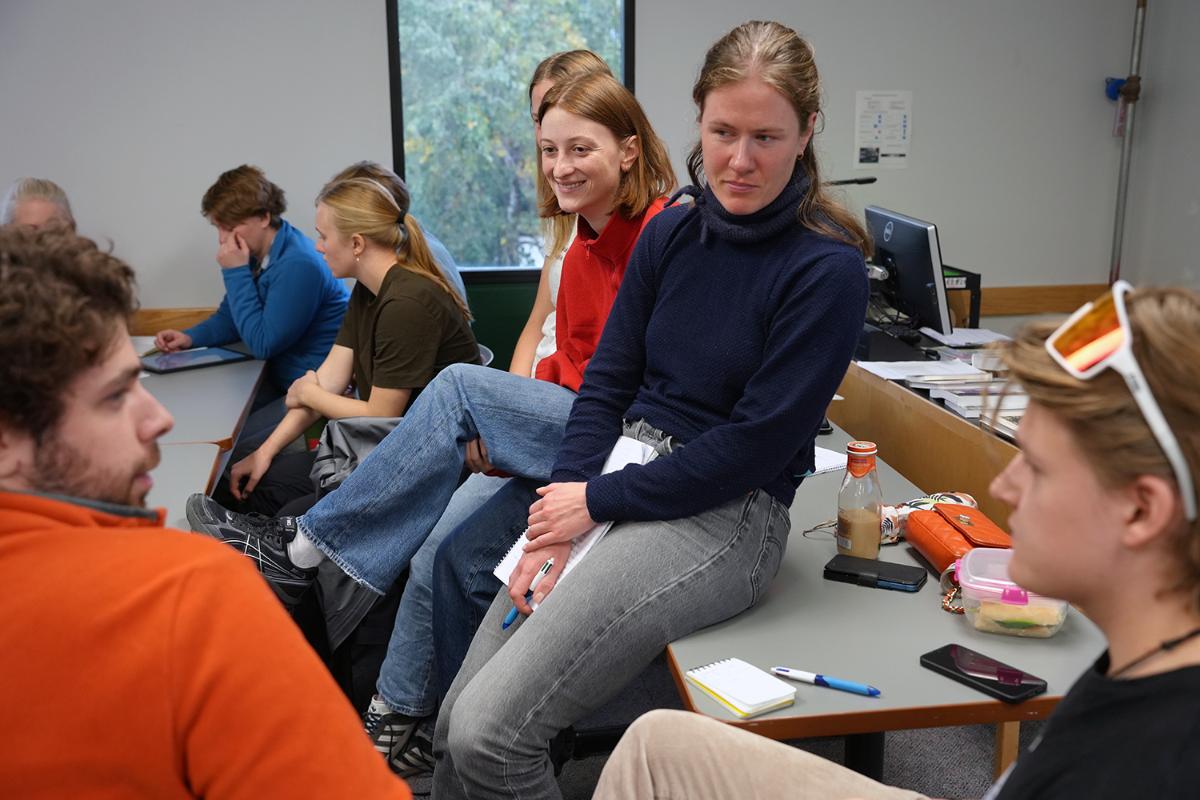
The session, led by PhD student Lena Leimgruber from Umeå University, explored how the Arctic is imagined in literature, blending themes of climate change, colonialism, and speculative futures. The event, attended by an engaged audience from the student course Arctic Future Pathfinders, sparked lively discussions about the role of fiction in understanding the Arctic's cultural and environmental complexities.
Acknowledging Indigenous Lands
Leimgruber began by acknowledging the Sami people's territory, where Umeå University is located.
"Before I start, I want to acknowledge that Umeå University is situated on the land of the Sami people," Leimgruber said.
This set the tone for a session that emphasized the importance of recognizing Indigenous voices in Arctic narratives.
Arctic Literature: Beyond Ice and Snow
The seminar highlighted the Arctic as more than just a frozen, desolate landscape.
"The Arctic has cultural and symbolic meanings," Leimgruber explained.
"Literary fiction about the Arctic can provide environmental thought, room for action, and a lens to examine power structures and colonial histories."
Speculative Fiction and the "Imagined Arctic"
The session delved into speculative fiction, a genre that includes dystopian, climate, and historical narratives.
"Speculative fiction is the 'what-if' genre," Leimgruber noted.
"It allows us to emotionally process planetary uncertainty and imagine complex futures."
The audience discussed the concept of the "imagined Arctic," with one participant suggesting, that it is about how people think about the Arctic rather than experiencing it.
Leimgruber elaborated, "Many who write about the Arctic are outsiders, imagining it based on their own perceptions."
The Role of Fiction in Understanding the Arctic
Participants reflected on why literary fiction matters. One of the suggestions was that it creates empathy and allows us to address difficult issues with some distance. Another participant added, "Reading literature helps us learn about life through the stories of others."
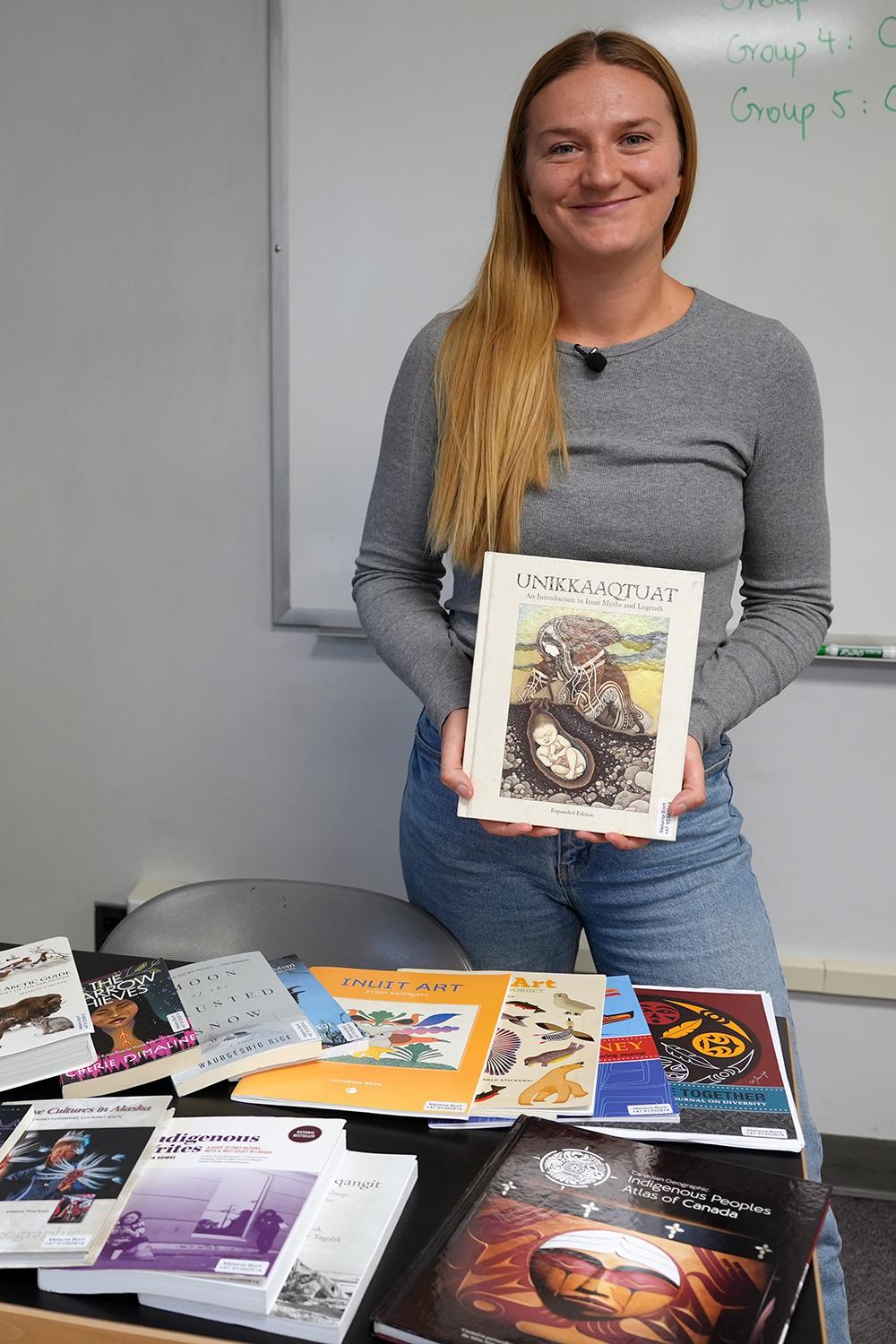
The seminar concluded with a discussion on the Alaska Literary Series and its contributions to Arctic literature.
"The Arctic is more than ice," Leimgruber emphasized, before concluding:
"Through fiction, we can challenge dominant narratives and imagine alternative futures."
Key Works in Arctic Literary Fiction
- Mary Shelley's Frankenstein: Often considered the first Arctic novel, it uses the Arctic as a frame narrative to explore themes of isolation and ambition.
- Dan Simmons' The Terror: A blend of history and Gothic horror, this novel reimagines the Franklin expedition with a supernatural twist. The Arctic itself becomes a character.
- Michelle Min Sterling's Camp Zero: A dystopian tale set in Northern Canada, it critiques eco-colonialism and gendered exploitation.
- Tanya Tagaq’s Split Tooth: Based in part of the writer’s own personal journals, the book tells the story of a young Inuk woman growing up in the Canadian Arctic in the 1970s.
Kortnytt fra Seksjon for kommunikasjon