Iqaluktuuttiaq – the good fishing place
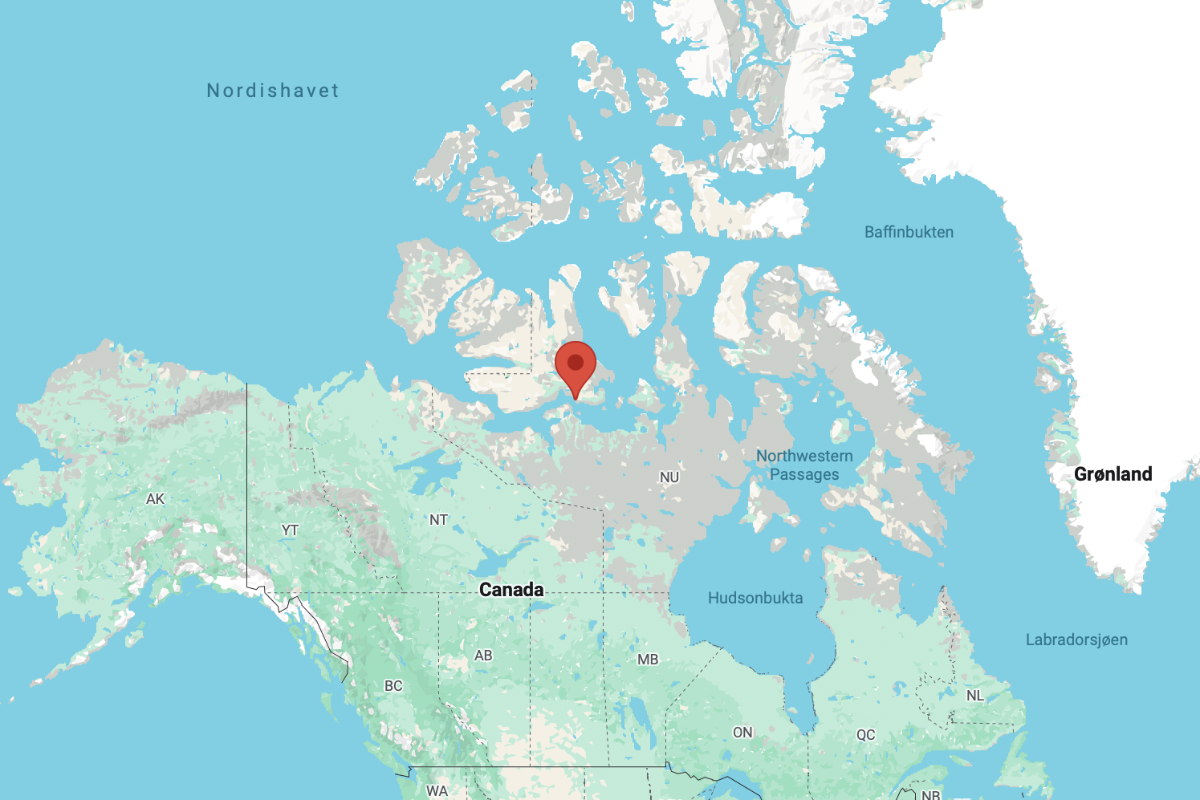
The community of Iqaluktuuttiaq (Cambridge Bay) is located on the southeast coast of Victoria Island, in the heart of the Northwest Passage.
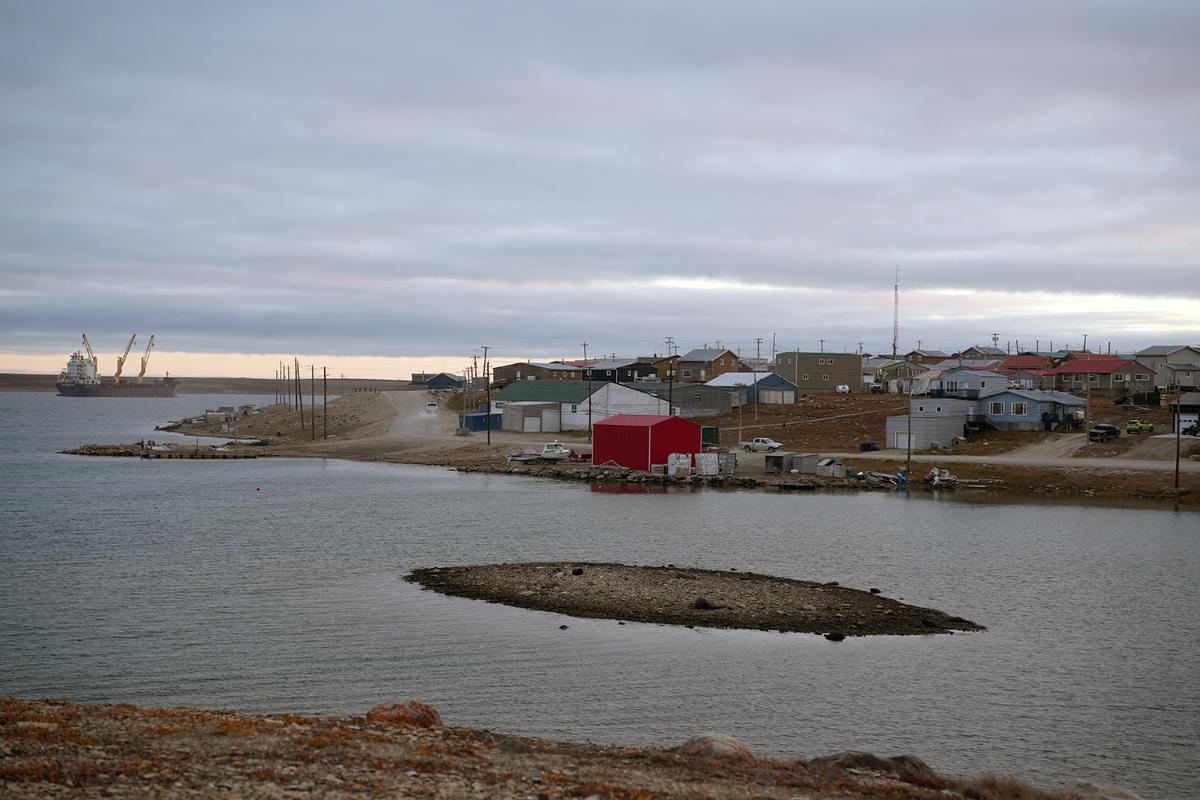
In the language Inuinnaqtun Cambridge Bay is called ‘Iqaluktuuttiaq’ because it is a ‘good fishing place.’ Archaeological sites found all over this enormous island – the eight biggest in the world – prove that indigenous peoples have been living in this part of the Canadian Arctic Archipelago continuously for the last four thousand years.
About Iqaluktuuttiaq:
- Population: 1477
- 83 percent of the inhabitants are inuit
- Languages: Inuinnaqtun, English
- Location: Longitude 105° 07’ W, Latitude 69° 06’ N, Elevation 31m
- From May 20 to July 23 Iqaluktuuttiaq enjoys constant 24-hour sunshine. The sparse rainfall usually occurs in July and August when temperatures range from 5°C to 25°C. Snowfall is greatest in October and November. December has no daylight, only starlight, moonlight and the Northern Lights. Winter temperatures average between -25°C and -35°C but can sometimes feel like -60°C with the wind chill.
Iqaluktuuttiaq is the centre of government for Kitikmeot, the administrative and transportation hub for this region of Nunavut. It is the largest stop for passenger and research vessels traversing the Northwest Passage. The hamlet is located close to the Ekalluk River, which is famous for giant char. The Ekalluktogmiut people come from there.
The short section of the river that flows from Ferguson Lake to Wellington Bay is called ‘Iqaluktuuq’ in Inuinnaqtun, meaning ‘place of big fish.’ Its people are the Iqaluktuurmiut. This ancestral region of Nunavut has been inhabited for 4,000 years. It is rich in archaeological history and blessed with abundant fish, seals, geese, muskoxen and caribou. The Inuit people of Iqaluktuuttiaq, from the eastern and southern parts of Victoria Island, speak Inuinnaqtun – a different language from Inuktitut – because they are Copper Inuit people, descendants of the ancient Thule with their own distinct and unique traditions.
Gjøa and Maud
The Norwegian explorer Roald Amundsen visited the Iqaluktuuttiaq area in his ship Gjøa in 1905 when he discovered the Northwest Passage. He arrived in Alaska in 1906. In 1918 he traversed the same route back from west to east in his new ship called the Maud. The Hudson Bay Company purchased this vessel as a fur trading supply ship, arriving in Iqaluktuuttiaq in 1921. The Maud was used for years before it sank into the harbor. Its exposed hull has been a Iqaluktuuttiaq landmark for 80 years. In 2017 Norway was retrieving it.
In 1947 a long-range navigational LORAN tower was constructed in Iqaluktuuttiaq. The construction project involved hiring many Inuit workers who later remained in the area. In 1954 a Catholic church was built using seal oil and sand as mortar. A Distant Early Warning military base was constructed here that same year. The DEW site revised its mission in 1989. It remains operative today as part of the joint United States and Canadian North Warning System.
Source: Travel Nunavut
Kortnytt fra Seksjon for kommunikasjon