Utopia or Dystopia: “Time shapes us”
In a lecture on the significance of time and the future of society, students were encouraged to reflect on time. How does time influence our lives, and how can we use this understanding to create a better future?
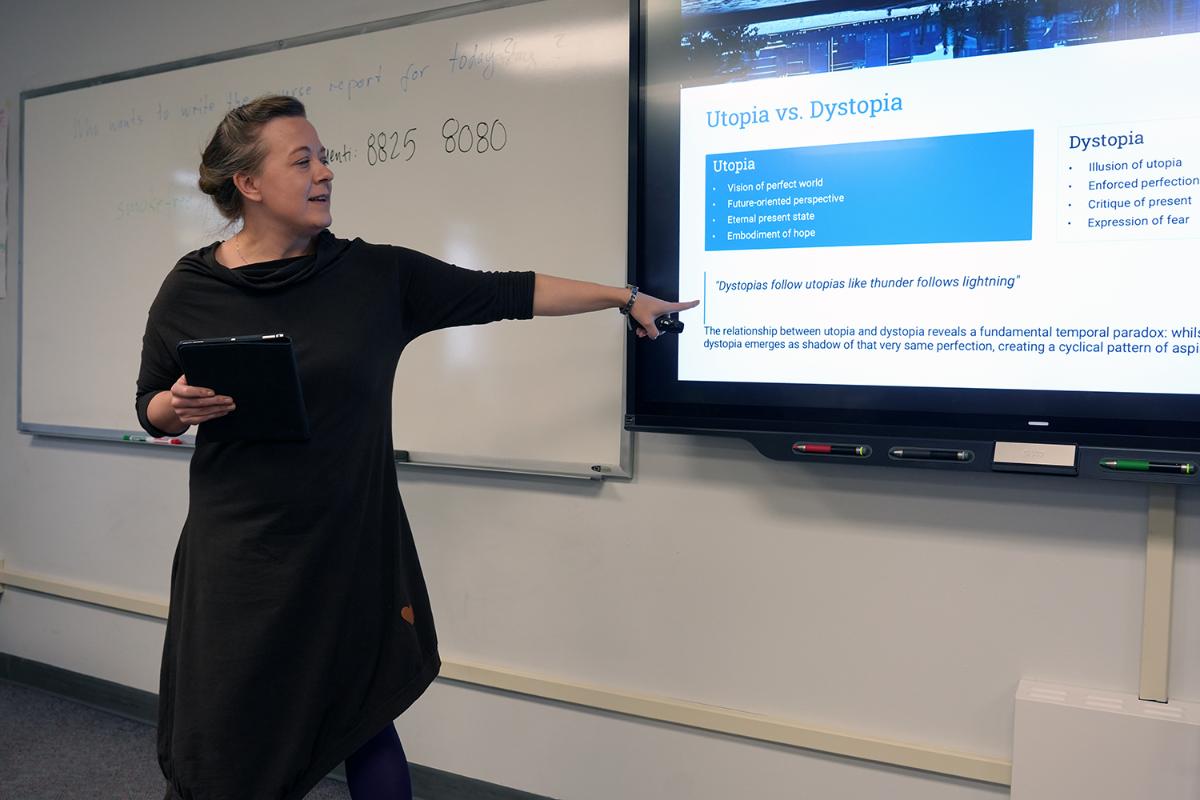

"Time is not just something we measure; it is something that shapes us," says Associate Professor of Societal Security, Monika Gabriela Bartoszewicz.
During a lecture that explored the role of time in society and culture, she introduced students to complex concepts such as the flow of time, its ethics, and how different societies relate to it. Bartoszewicz emphasized how time affects both individuals' and societies' ability to plan and act.
"We must understand that time is not just a linear stream from past to future. Time can be continuous, fragmented, cyclical, or even static. How we perceive time influences how we organize ourselves as a society," says Bartoszewicz.
Arctic Utopia
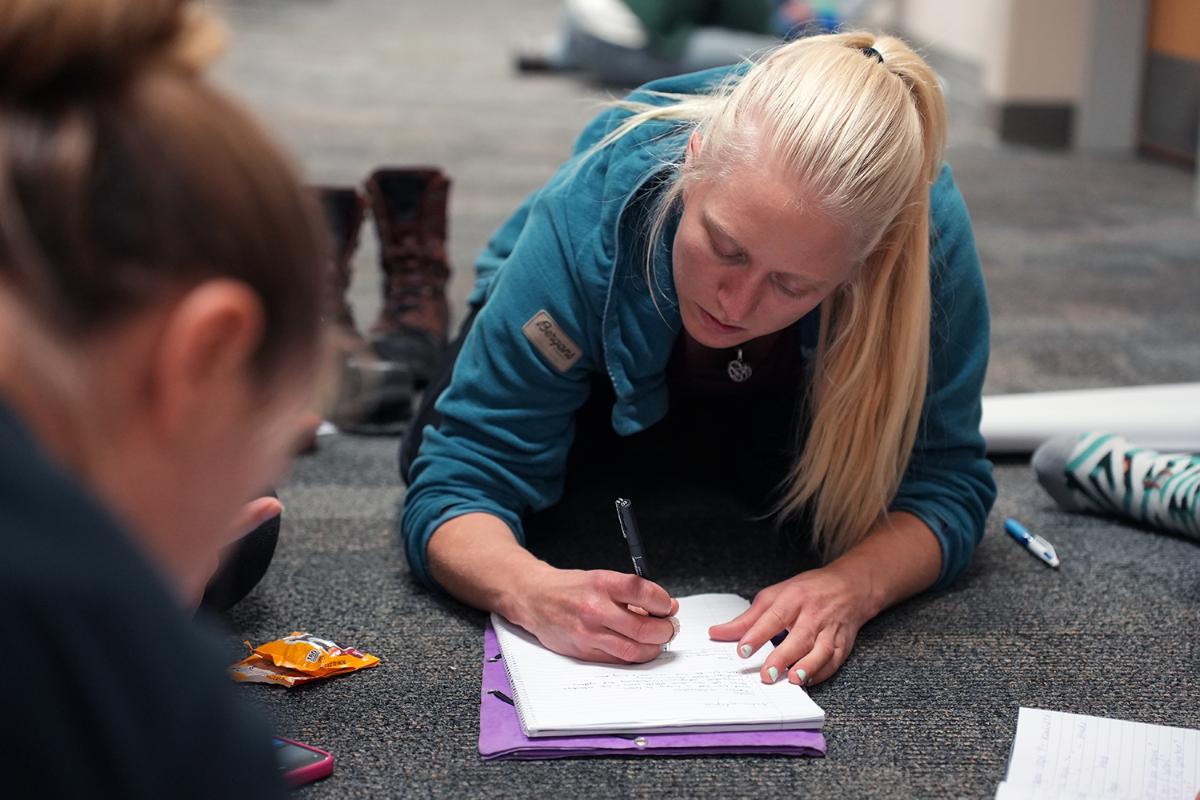
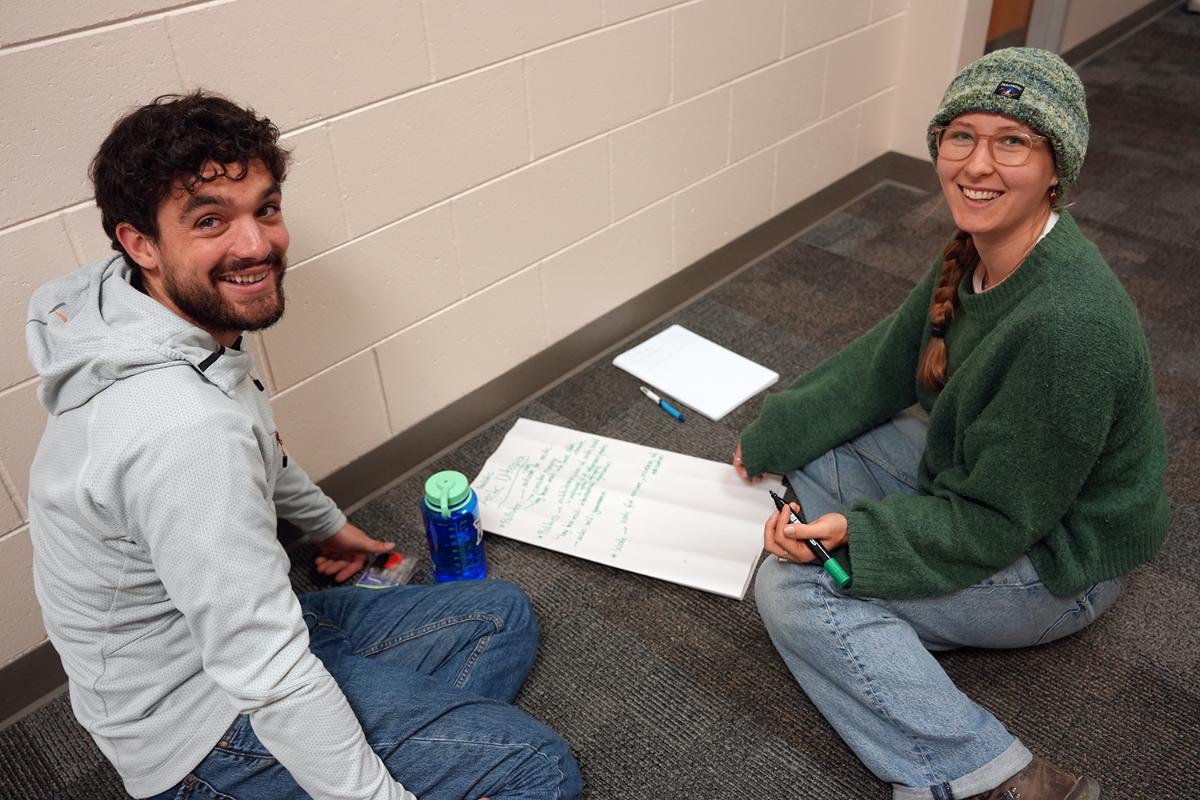
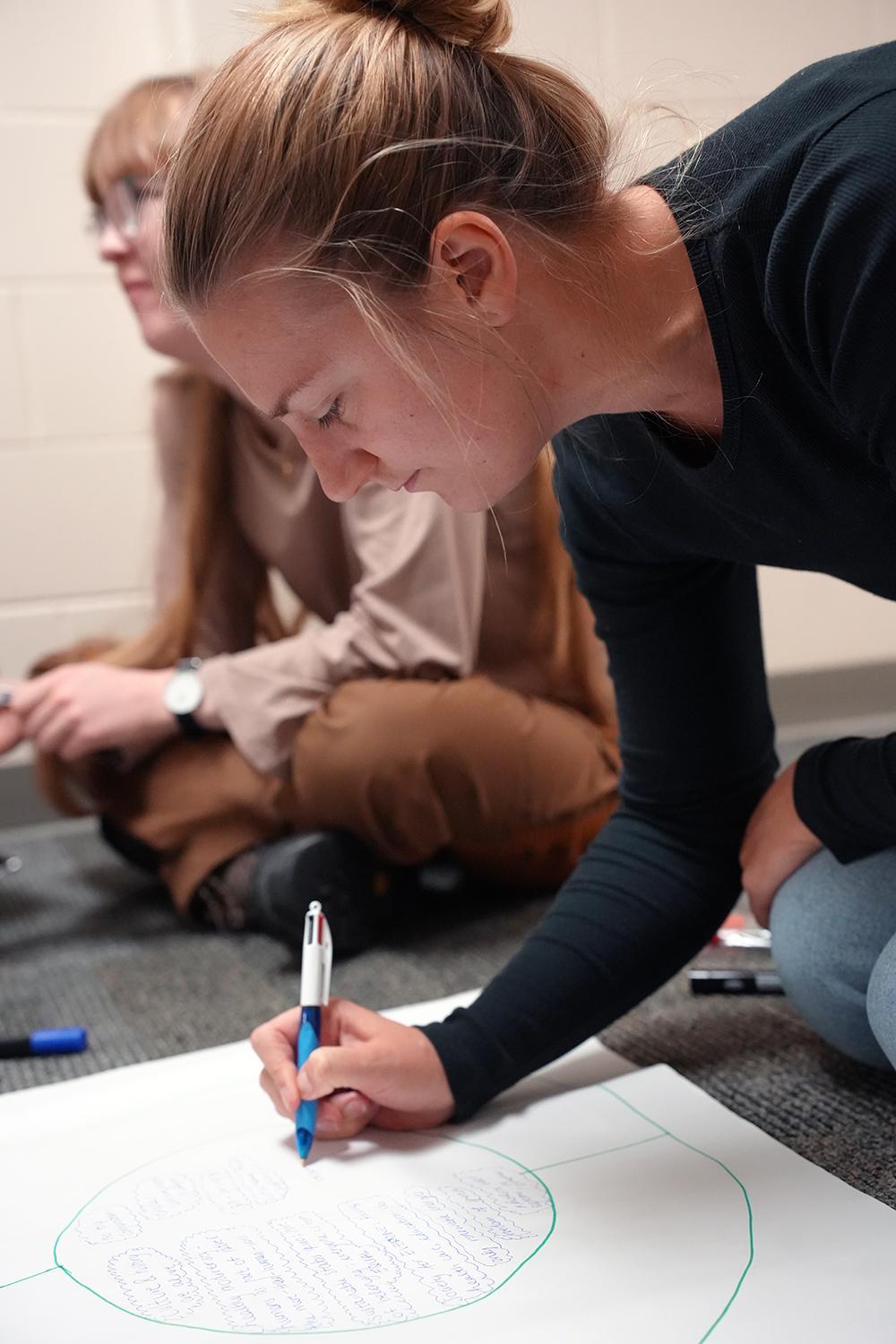
The students were then challenged to use this understanding to create visions for an "Arctic utopia." The task was to reflect on how the orientation and tempo of time could shape future societies in the Arctic.
"What can we learn from the past, and how can we use this knowledge to build a better future?" Bartoszewicz asks, before continuing:
“The past influences the human present through information contained in sets of traces, while the future influences it through plans and seeds, which, together with the remnants of history, influence the decisions made by humans in the present.”
The Ethics of Time and Societal Responsibility
The lecture also addressed how the mastery of time – such as deadlines and planning – is crucial for the functioning of society.
"Time is not just an individual experience. It is a collective agreement that teaches us responsibility, self-restraint, and how to think beyond the present," says Bartoszewicz.
She highlights how different cultures have varying approaches to time, which in turn influences how societies are organized.
"Some societies are strongly future-oriented, while others are more focused on preserving the wisdom of the past. This temporal orientation shapes how we act as individuals and as societies."
Utopias and Dystopias
A central theme of the lecture was the relationship between utopias and dystopias.
"A utopia is never a neutral idea. Your utopia might be someone else's dystopia. That is why it is important to understand that these concepts are closely connected," says Bartoszewicz, adding:
"Time is a force that shapes us, but it is also something we can shape. By understanding the complexity of time, we can navigate toward a better future. Futures aren’t just imagined stories — they’re shaped by how people imagine and live time in political and social contexts."
Kortnytt fra Seksjon for kommunikasjon, Fakultet for humaniora, samfunnsvitenskap og lærerutdanning