Collaboration, Youth, and Indigenous Knowledge
Collaboration, co-creation, and the inclusion of Indigenous knowledge are key to achieving systematic changes in the Arctic research community, according to APECS Director Sarah Strand.
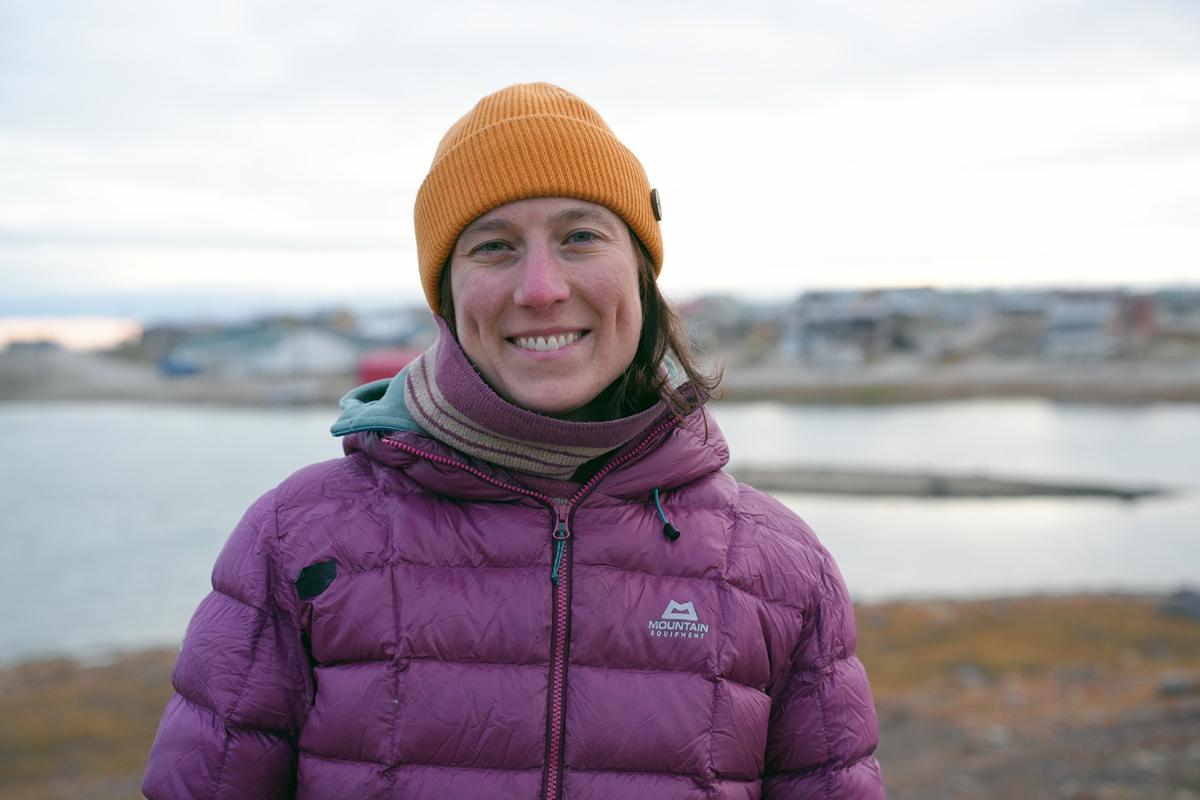
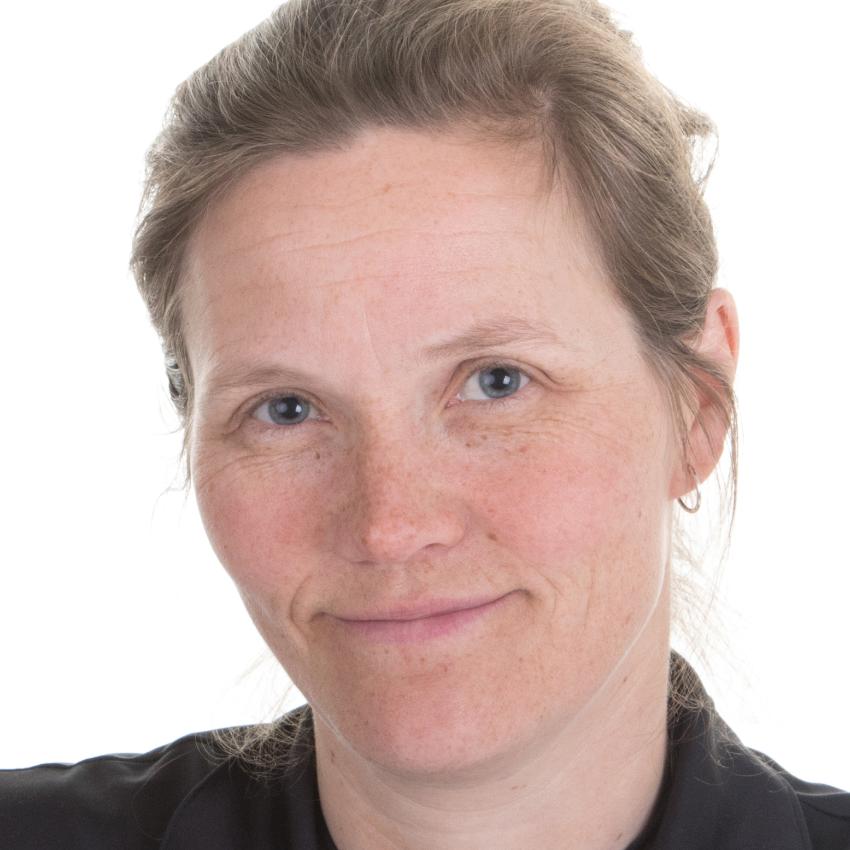
"I want to emphasize to the students that it is important to work on different levels," says Sarah Strand, Executive Director of APECS (Association of Polar Early Career Scientists), Senior Advisor at UiT, and an educator at Arctic Future Pathfinders.
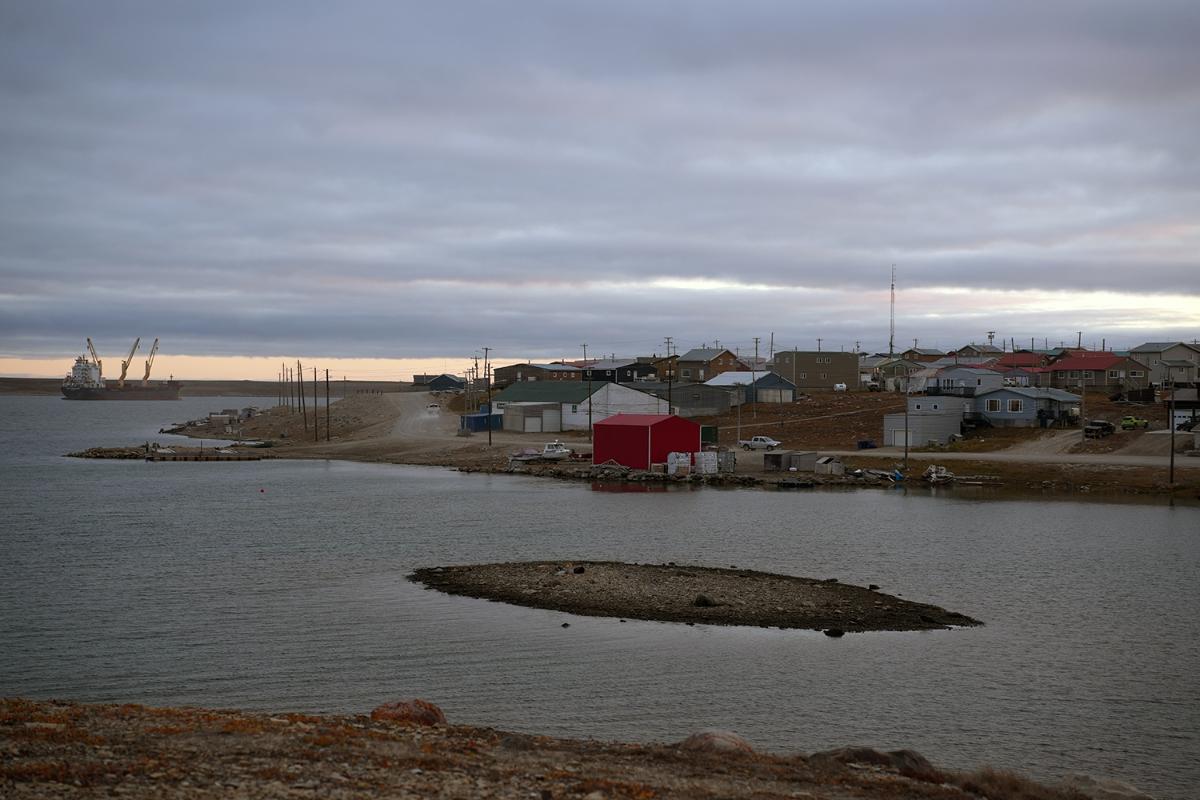
This week, 30 students and 20 lecturers are gathered in Cambridge Bay, in the heart of the Northwest Passage in Nunavut. Although the sailing vessel Statsraad Lehmkuhl could not navigate through the passage, UiT chose to hold parts of the course in this village. One of the lessons is about co-creation to include Indigenous perspectives and the local societies.
"On a personal level, it’s about the relationships the students are building here and now. But as they progress in their careers, they can also engage in ways that can actually lead to systematic changes over time," says Strand.
Youth Programs in the Arctic
One example she highlights is the Youth Together for Arctic Futures project, led by the WWF Global Arctic Program in collaboration with the Sámi Council, UiT, APECS and three other partners. The program brings together youth from the Arctic, Indigenous Peoples' communities, and Europe for workshops on Arctic policymaking.
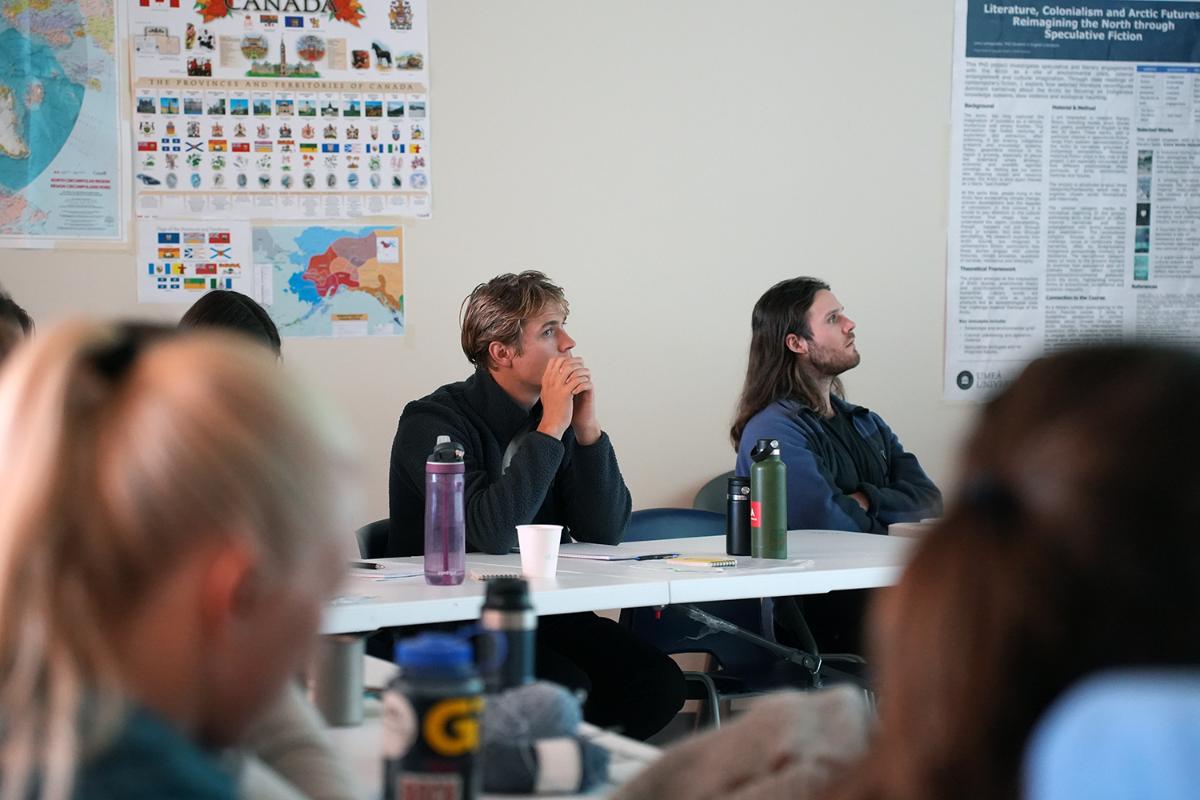
"This has been a very fruitful program that fosters understanding and connections between different groups," says Strand.
The Sámi Council has also established a youth group that receives long-term mentorship.
"This is a model that has worked well, and we are now discussing the possibility of expanding this to exchanges between youth groups in different regions, such as Nunavut," says Strand.
David Hik, Vice President of Research at Polar Knowledge Canada, agrees that collaboration is essential to addressing the complex challenges in the Arctic. The organization, which recently celebrated its 10th anniversary, is headquartered in Iqaluktuuttiaq.
It is responsible for advancing knowledge of the northern regions, supporting research, and fostering innovation. Hik describes Cambridge Bay as "the heart of Canada's northern research" and explains that the research station, CHARS (Canadian High Arctic Research Station), serves as a hub for research and collaboration.
"Our work is built on collaboration – with other federal agencies, academic institutions, international partners, and, most importantly, with Indigenous leaders and northern communities," says Hik.
Hik, who is also a professor at University of Alberta, and Simon Fraser University, highlights the dramatic effects of climate change in the northern regions, such as delayed ice formation, increased risk of wildfires, and impacts on wildlife. In 2023 alone, wildfires in Canada released record-high amounts of carbon, exacerbating global climate change.
"This is not just a local crisis – it is a global challenge," he emphasizes.
Innovation and Sustainability
To address these challenges, Polar Knowledge Canada focuses on cold-climate innovation, such as developing green technologies and sustainable energy solutions. Hik points out that many northern communities still rely on diesel for electricity and heating, making it crucial to find reliable alternatives.
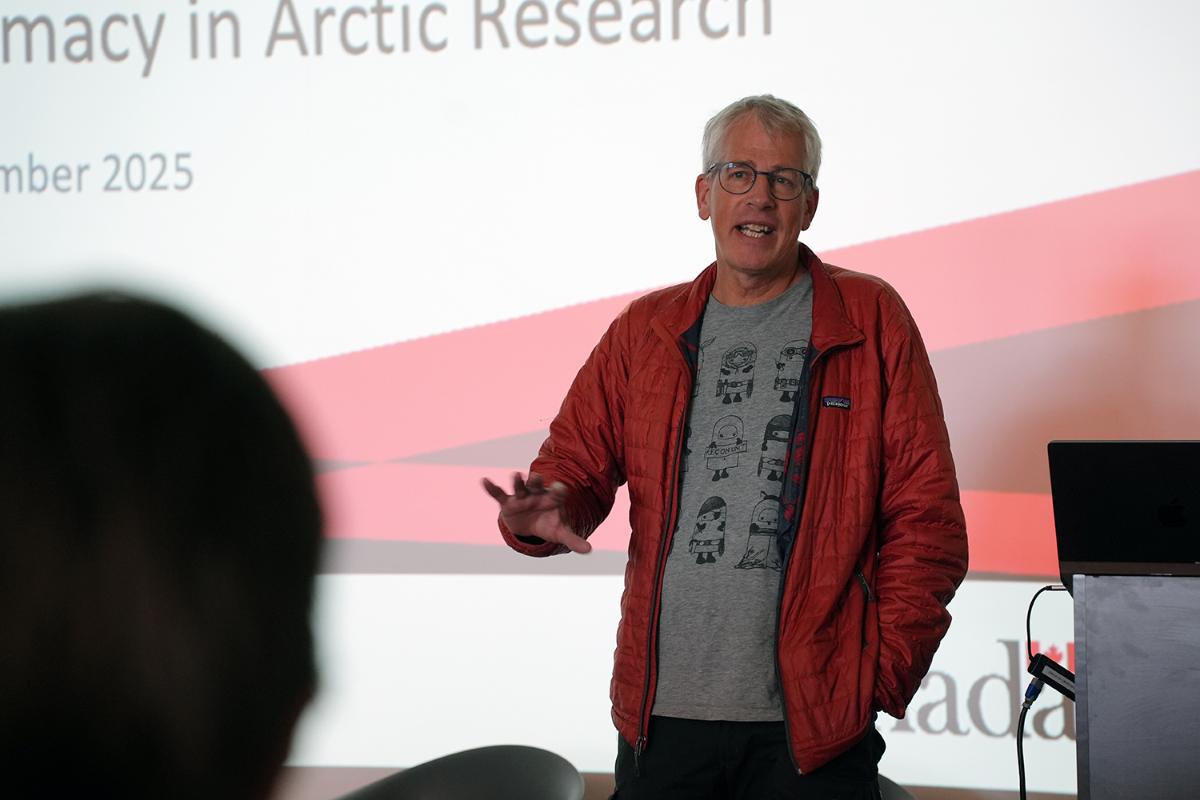
"In the North, reliability is everything. We must ensure that the solutions we develop work under extreme conditions," he says.
International Collaboration and Indigenous Knowledge
Polar Knowledge Canada has supported researchers from 23 countries in recent years and places great emphasis on including Indigenous-led projects.
"Indigenous knowledge is not just an additional component – it is the foundation of everything we do," says Hik.
He encourages students to reflect on how their research and work can contribute to addressing the challenges in the northern regions.
"We have a unique opportunity to shape the future by building on Indigenous knowledge and strengthening collaboration across borders. Collaboration is not just a strategy; it is a necessity. The future of the Arctic – and the world – depends on it," he says.
Principles for Data and Social Responsibility
When asked about how to build bridges between researchers and local communities, the answer from Sarah Strand is clear:
"Relationships are the most important tool. It’s about building mentoring and exchange relationships that can strengthen collaboration and understanding."
Another important topic, according to Strand, are the principles for data management in research.
"The FAIR principles for data are well-known, but the CARE principles, which focus on Indigenous data sovereignty, are less familiar. It’s important that researchers not only think about the technical aspects of data but also the societal implications," says Strand.
The future of the Arctic
With the upcoming International Polar Year (IPY) in 2032, Strand is optimistic about the future of Arctic research.
"There has been enormous development in the research community over the past 25 years. Now there is a strong desire to make research more inclusive and relevant to those living in the Arctic," says Strand.
Education as the Key
She also emphasizes the importance of involving young researchers in projects in the upcoming IPY.
"APECS, which was founded as part of the last IPY, works to ensure that young researchers play a central role in shaping projects. I hope the students here are inspired to contribute to this change," says Strand.
Strand believes that Arctic Future Pathfinders provides a solid foundation for the students, who are future Arctic researchers and leaders.
"The most important thing is to expose students to different frameworks and perspectives. There are no simple answers, but by combining different approaches, as we do in this course, we can make research better and more relevant," she concludes.
Kortnytt fra Seksjon for kommunikasjon