Breast cancer
Regional lymph node metastasis in breast cancer
For more than 80% of breast cancer patients with distant metastasis, the cancer cells initially travel via the regional lymph nodes before entering into systemic circulation. However, the fact that breast cancer mainly spreads through the lymph nodes and do not enter systemic circulation by a direct extravasation into the blood flow at the primary tumor site is rarely taken into account in breast cancer metastasis studies.
In Norway, about 13% of breast cancer patients are diagnosed with metastatic spread to regional lymph nodes. Current clinical practice focuses mainly on the presence and size of metastatic lesions in the lymph nodes, and there is substantial variation in how positive results are interpreted across hospitals in Norway.
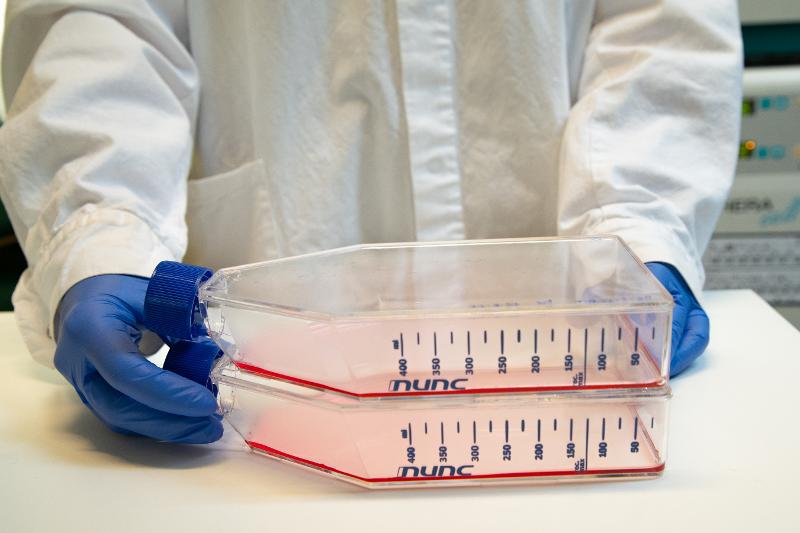
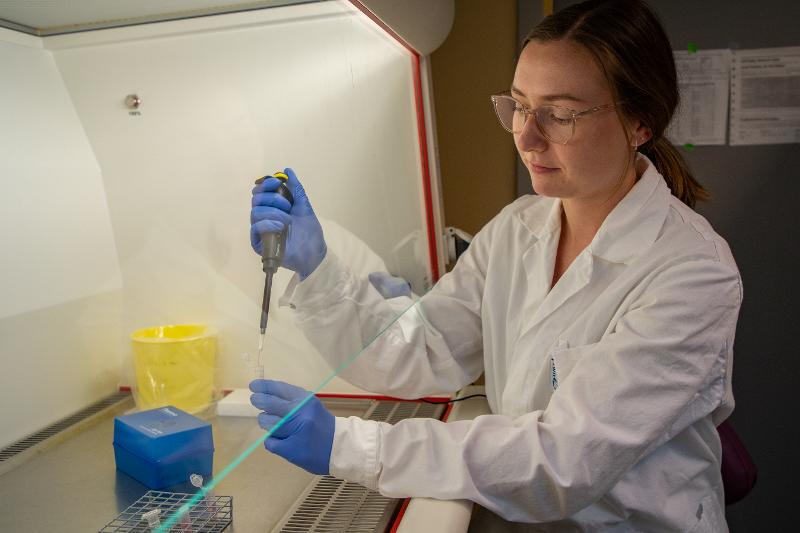
Foto: Jørn Berger-Nyvoll/UiT
Research strategy and methods
We hypothesize that cancer cells in lymph nodes have a specific protein and transcriptome profile that reflect stimulation by the lymph node microenvironment. We further hypothesize that these changes are associated with altered metastatic potential. To test this, we will use single-cell RNA sequencing to examine transcriptional changes during the metastatic cascade in breast cancer patients and correlate our data circulating tumor cells (CTC) counts in blood.
We also hypothesize that an epithelial-mesenchymal transition (EMT) or a stem cell phenotype can be induced by the lymph node microenvironment, and that a blocking of this interaction can be for prevention of metastasis. Here, we are using an in-house EMT scoring algorithm to identify cancer cells with specific transcriptional signatures reflecting their phenotypes.
By combining data on CTCs, EMT scoring, and gene and protein expression signatures, we anticipate that we can deduct a high-risk transcriptome profile with an innovative potential to be used in the clinic for guiding treatment choice and prognostic evaluation.
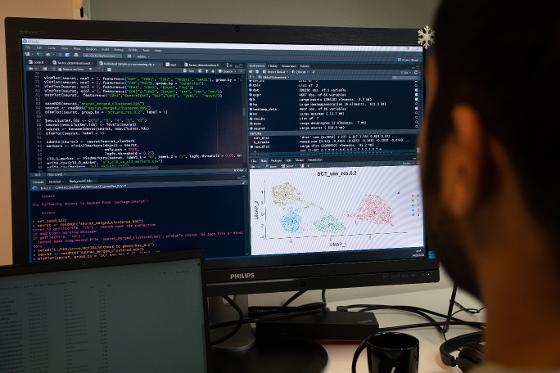
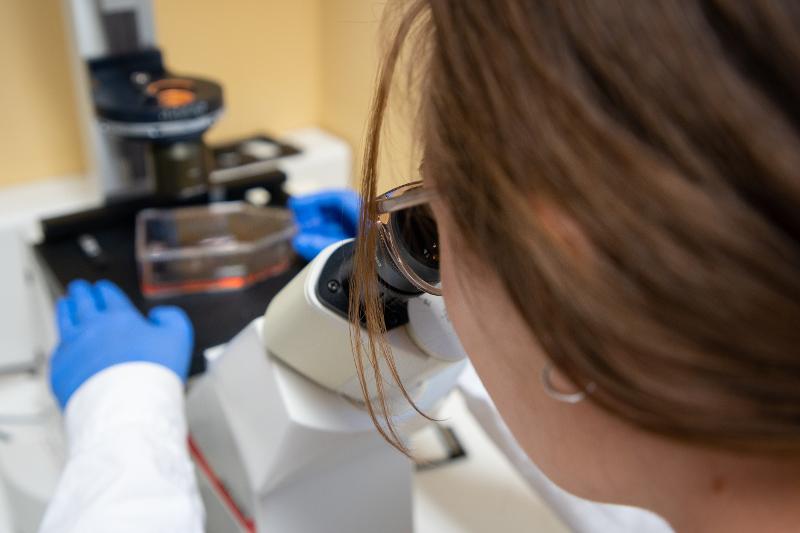
Foto: Jørn Berger-Nyvoll/UiT
Collaboration
The research project has strong local, national, and international collaborators, including Prof. Elin S. Mortensen (local, UNN), Dr. Vegard Heimly Brun (local, UNN), Dr. Åse Florholmen-Kjær (local, UNN), Dr. Bård Ove Karlsen (local, Nordland Hospital), Dr. Xavier Tekpli (National, OUH), Dr. Marieke Kuijjer (National, UiO), Prof. Gunhild Mælandsmo (National, OUH), and Prof. Calin (International, MD Anderson Cancer Center).
Publications
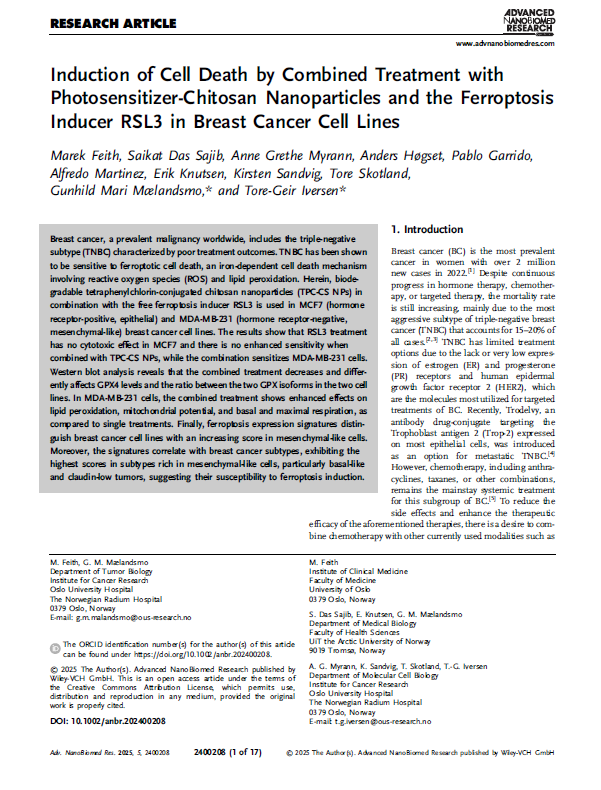 |
Feith, M., Sajib, S.D., Myrann, A.G., Høgset, A., Garrido, P., Martinez, A., Knutsen, E., Sandvig, K., Skotland, T., Mælandsmo, G.M. & Iversen, T.-G. (2025) Induction of Cell Death by Combined Treatment with Photosensitizer-Chitosan Nanoparticles and the Ferroptosis Inducer RSL3 in Breast Cancer Cell Lines Advanced NanoBiomed Research, Volume 5. 2025 |
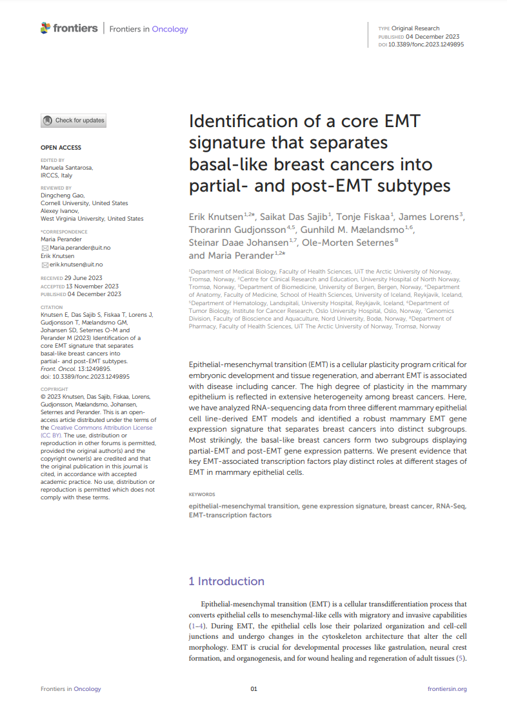 |
Knutsen, E., Sajib, S.D., Fiskaa, T., Lorens, J., Gudjonsson, T., Mælandsmo, G.M., Johansen, S.D., Seternes., O.M. & Perander, M. (2023) Identification of a core EMT signature that separates basal-like breast cancers into partial- and post-EMT subtypes Frontiers, Volume 13. 2023 |
|
|
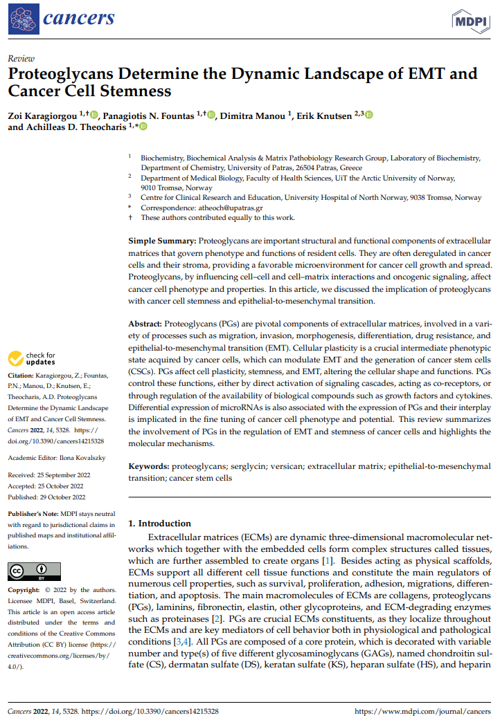
Karagiorgou, Z., Founta, P.N, Manou, D., Knutsen, E., & Theocharis, A.D. (2022) Proteoglycans Determine the Dynamic Landscape of EMT and Cancer Cell Stemness. Cancers 2022, Volume 14. 2022 |
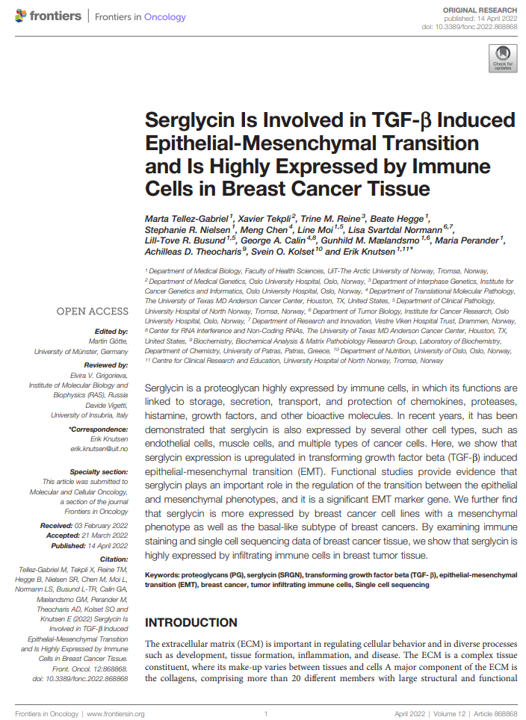 |
Tellez-Gabriel, M.,Tekpli, X., Reine, T.M., Hegge,B., Nielsen, S.R., Chen, M., Moi, L., Normann, L.S., Busund, L.T.R., Calin, G.A., Mælandsmo, G.M., Perander, M., Theocharis, A.D., Kolset, S.O. & Knutsen, E. (2022) Serglycin Is Involved in TGF-β Induced Epithelial-Mesenchymal Transition and Is Highly Expressed by Immune Cells in Breast Cancer Tissue Front. Oncol., Volume 12. 2022 |
Nyhetssaker
|
|
Nordnorsk debatt: Hva skal vi med kreftforskning?«Treningsfysiolog Anders Haakenstad kommer med flere hårreisende usannheter i podcasten «Wolfgang Wee Uncut». Flere ganger påstår han at kreftforskningen er uredelig og at helsevesenet og andre aktører styres av økonomiske interesser, mens han selv selger sine råd og tjenester.» |
|
|
Gordon Research Conference 2024
Discovery and Translation in Proteoglycan Research. Andover, NH, United States. Title of talk: Proteoglycans as important singling molecules in the crosstalk between tumor infiltrating immune cells and cancer cells. |
Foto: Oddleif Larsen/UiT |
Får 8 millioner fra KreftforeningenNylig fikk førsteamanuensis ved Institutt for medisinsk biologi på det Helsefaglige fakultet, Erik Knutsen, en telefonsamtale utenom det vanlige. Han er en av fem unge forskere som har fått innvilget søknad fra Kreftforeningen |
|
|
Vil forhindre at flere må oppleve det samme som HegeErik Knutsen (39) var nær ved å gi opp, men håpet om å kunne gjøre en forskjell holdt ham gående. Nå er han del av en historisk satsning. |
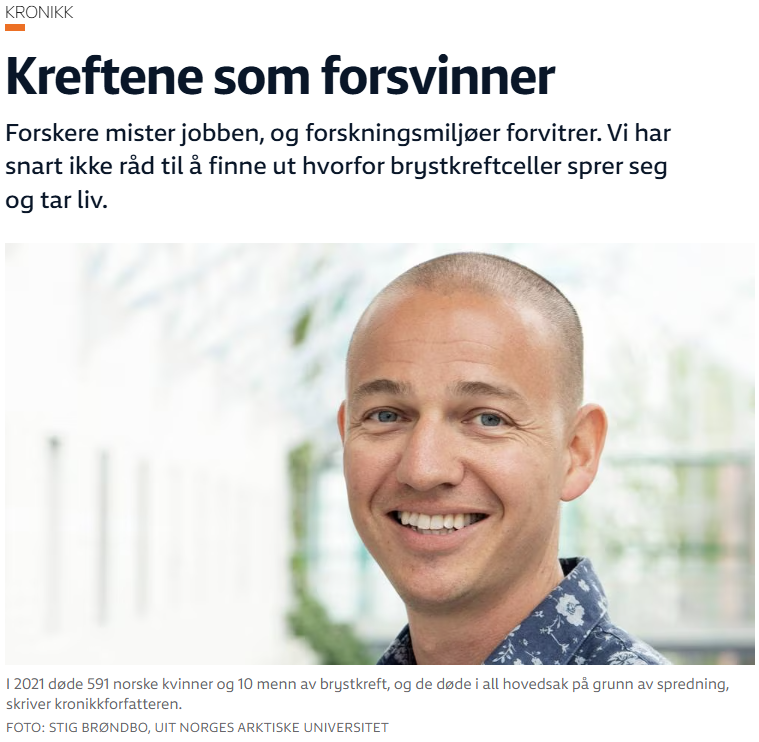 |
Kreftene som forsvinner«Forskere mister jobben, og forskningsmiljøer forvitrer. Vi har snart ikke råd til å finne ut hvorfor brystkreftceller sprer seg og tar liv.» |
Foto: Jonatan Ottesen |
Årets yngre forsker: Erik KnutsenErik Knutsen er på sporet av helt nye målgener som kan bidra til å skreddersy behandlingen av brystkreft. |

Foto: Jørn Berger-Nyvoll/UiT
Contact Person: Erik Knutsen
Members:
Financial/grant information:
UiT The artic university of Norway, Helse Nord, Odd Berg Gruppen, National Network for Breast Cancer Research and Norwegian Cancer Society