Chronic pelvic pain
Chronic pelvic pain – replacing ignorance with competence. A population-based joint venture study on scope, diagnostics and burden
Chronic pelvic pain (CPP) is persistent pain perceived in pelvic structures in both men and women. It is often linked to negative cognitive, behavioral, sexual, and emotional consequences, as well as dysfunction in the urinary tract, sexual, bowel, pelvic floor, or gynecological systems. CPP disproportionately affects women, particularly those with lower income and education, contributing to gender inequality and socio-economic health disparities. Globally, gynecological conditions are a significant cause of disability, accounting for 6.17% of years lived with disability (YLD) among women. Despite its profound impact on quality of life, work participation, and family planning, CPP remains poorly understood, with limited diagnostic tools and treatment options.
The Research Project
Launched in autumn 2023 and funded by the Norwegian Research Council, this multidisciplinary project aims to address the knowledge gap surrounding CPP. The study is anchored at UiT (The Arctic University of Norway) and involves collaboration with the University Hospital of North Norway, NTNU, the Norwegian Health Institute, the Norwegian Women's Public Health Association, and the Norwegian Labour and Welfare Administration. The project integrates clinical and social science research in partnership with patients, organizations, and welfare services.
Work Packages and Key Objectives
Work package 1: Prevalence, pain sensitivity and diagnostics of chronic pelvic pain
PhD student Kristine Amundsen, Research medical student Karoline Ravlo-Losvik
Prevalence and Screening: WP1 aims to determine the age-specific prevalence of chronic pelvic pain (CPP) across a wide age range (18–99 years) using data from large population-based cohorts. It will develop and validate screening algorithms, leveraging tools like the Graphical Index of Pain (GRIP) and registry data, to identify CPP cases and assess the gap between self-reported and diagnosed CPP.
Diagnostics and Validation: The work-package seeks to evaluate the consistency between self-reported and diagnosed CPP cases, refine GRIP as a clinical screening tool, and assess the diagnostic value of standardized pelvic examinations. This includes testing pain characteristics, anatomical sub-classifications, and clinical measures to optimize sensitivity and specificity for CPP diagnosis.
Pain Sensitivity and Mechanisms: WP1 investigates generalized and localized hyperalgesia in CPP patients using quantitative sensory testing (QST) and cold-pressor tests. Longitudinal and cross-sectional analyses will explore sensory mechanisms, pain tolerance, and the spread or persistence of CPP, providing insights into the underlying pain sensitivity differences in CPP cases versus controls.
This work package will also investigate the relationship between age at menarche and CPP risk in women aged 40–99 years. Using data from Tromsø7, it will analyze physiological, psychological, and social factors, as well as comorbidities and hormonal markers, to address gaps in understanding CPP's causal mechanisms.
Work package 2: Societal burden of CPP in women: Health, well-being and work affiliation
Postdoc Anders Årnes
Impact on Health and Well-being: WP3 aims to assess the impact of chronic pelvic pain (CPP) on health and quality of life using measures such as the EQ-5D-5L, EQ-VAS, and Satisfaction with Life Scale (SWLS). By calculating quality-adjusted life years (QALYs) and comparing CPP cases with other pain conditions, the general population, and healthy controls, the work-package seeks to quantify the disease burden of CPP and identify factors influencing health and well-being.
Comparative Analysis: The study will compare health utility weights, satisfaction levels, and well-being metrics between CPP patients, individuals with other chronic pain conditions, and healthy controls. Regression models will be used to explore the relative importance of socioeconomic and other confounding variables in explaining the health and well-being outcomes of CPP patients.
Impact on Work Participation: WP3 investigates the effect of CPP on work capacity and welfare dependency by analyzing data on disability benefits, sick pay, and employment status from the Tromsø Study 7 and national labor and welfare registers. Cross-sectional and longitudinal analyses will compare CPP cases with matched controls and other chronic pain groups to understand the long-term implications of CPP on work participation and economic productivity.
Expected Outcomes
This research is expected to provide a comprehensive understanding of chronic pelvic pain (CPP) by addressing its prevalence, diagnostic challenges, societal burden, and patient experiences, as well as improving clinical screening, diagnosis, and management strategies. The findings will inform healthcare practices, enhance patient empowerment, and guide policy development to improve health outcomes, well-being, and workforce participation for individuals with CPP.
Leadership
The project is led by Prof. Heidi Tiller
Publications:
Amundsen, K. and H. Tiller, Discovering the true nature of chronic pelvic pain: Are we asking the right questions? Acta Obstet Gynecol Scand, 2024. 103(12): p. 2330–2334.
Members:
News:
New publication from the research group on chronic pelvic painNew post.doc in the research group!
We are very satisfied to welcome our new post doc to our group from 1st September 2024: PhD Anders Årnes will study the impact of chronic pelvic pain on health and well-being and on work participation. This post doc is part of the overall project "Chronic pelvic pain - replacing ignorance with competence. A population-based joint venture study on scope, diagnostics and burden", financed by The Norwegian Research Council.

Introducing Linn Myrtveit-Stensrud- our new postdoctoral researcher
This week we have welcomed our new post doc, Linn Myrtveit-Stensrud, to the project group of Chronic Pelvic Pain!
Linn is a psychologist with a PhD in the project «Vulvodynia in heterosexual relationships: Understanding the role of social context and interpersonal dynamics”. In the post doc project she will explore women's experiences with chronic pelvic pain through conducting face-to-face or online, audio- and video-recorded, narrative interviews, using the Health Experiences Insights (HEXI) methodology.
Chronic pelvic pain kick-off meeting
Chronic pelvic pain - replacing ignorance with competence. A population-based joint venture study on scope, diagnostics and burden
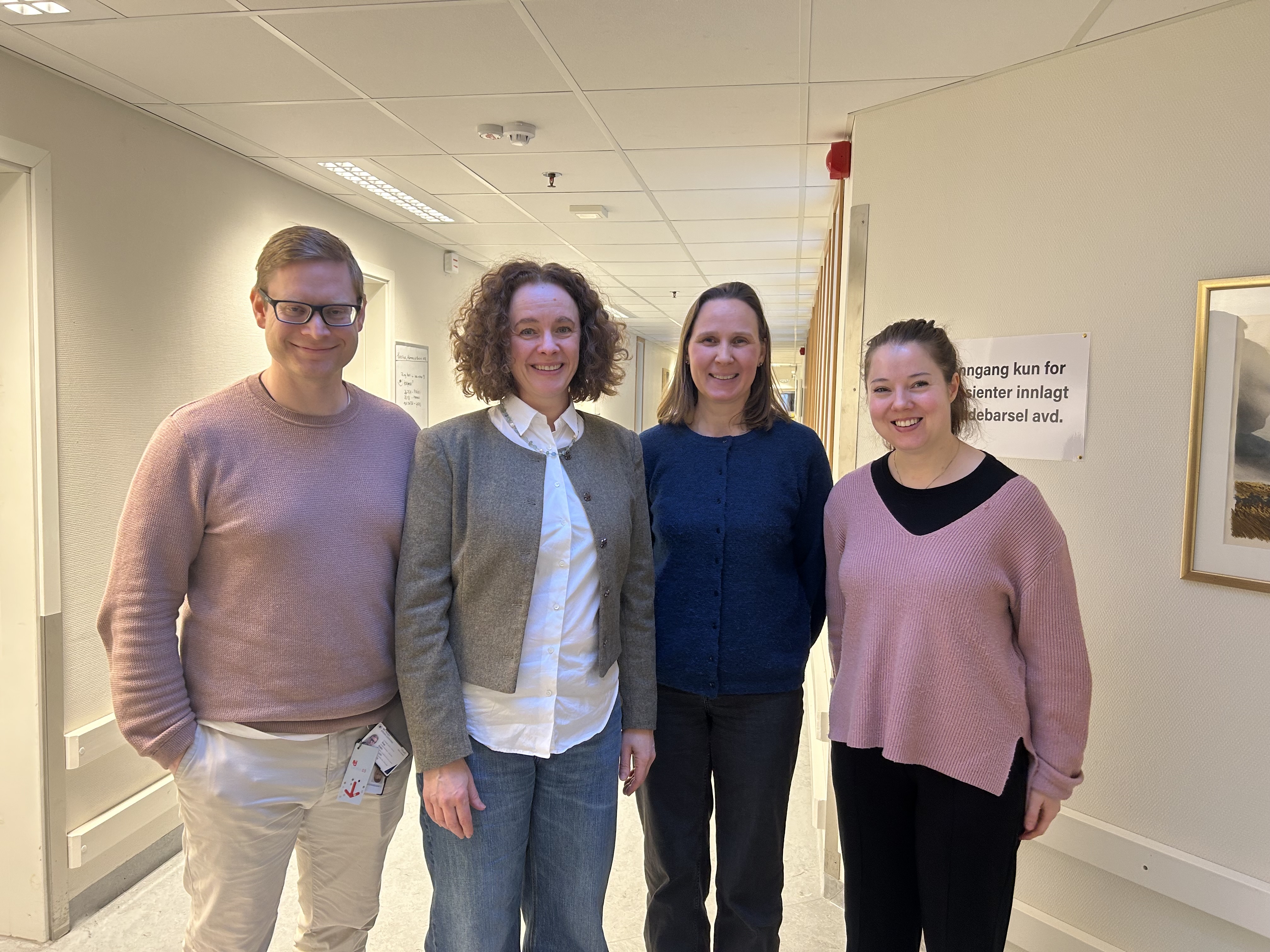
On November 3rd 2023, the NFR-funded collaborating group project “Chronic pelvic pain - replacing ignorance with competence. A population-based joint venture study on scope, diagnostics and burden” held its kick off meeting in beautiful surroundings in Ersfjorden, just outside Tromsø. The day was filled with information about the various sub-projects and an update on the Norwegian Women's Sanitation Associations activities. One of the user representatives shared her moving story about the impact living with long-term pelvic pain has had on quality of life. This project join interdisciplinary user and research interests, and through various sub-projects the project aim at closing some of the knowledge gaps that exist in the field of long-term pelvic pain.

Chronic pelvic pain meeting in Ersfjorden
The NFR-funded project "Persistent Pelvic Pain Replaces Competence Gaps" is now in its third year, and on May 6th, we held our annual full-day project group meeting. We had a record number of 17 participants and enjoyed a motivating and constructive day at the charming Bryggejentene in the idyllic Ersfjordbotn.

The Scandinavian Pain Society's Annual Conference
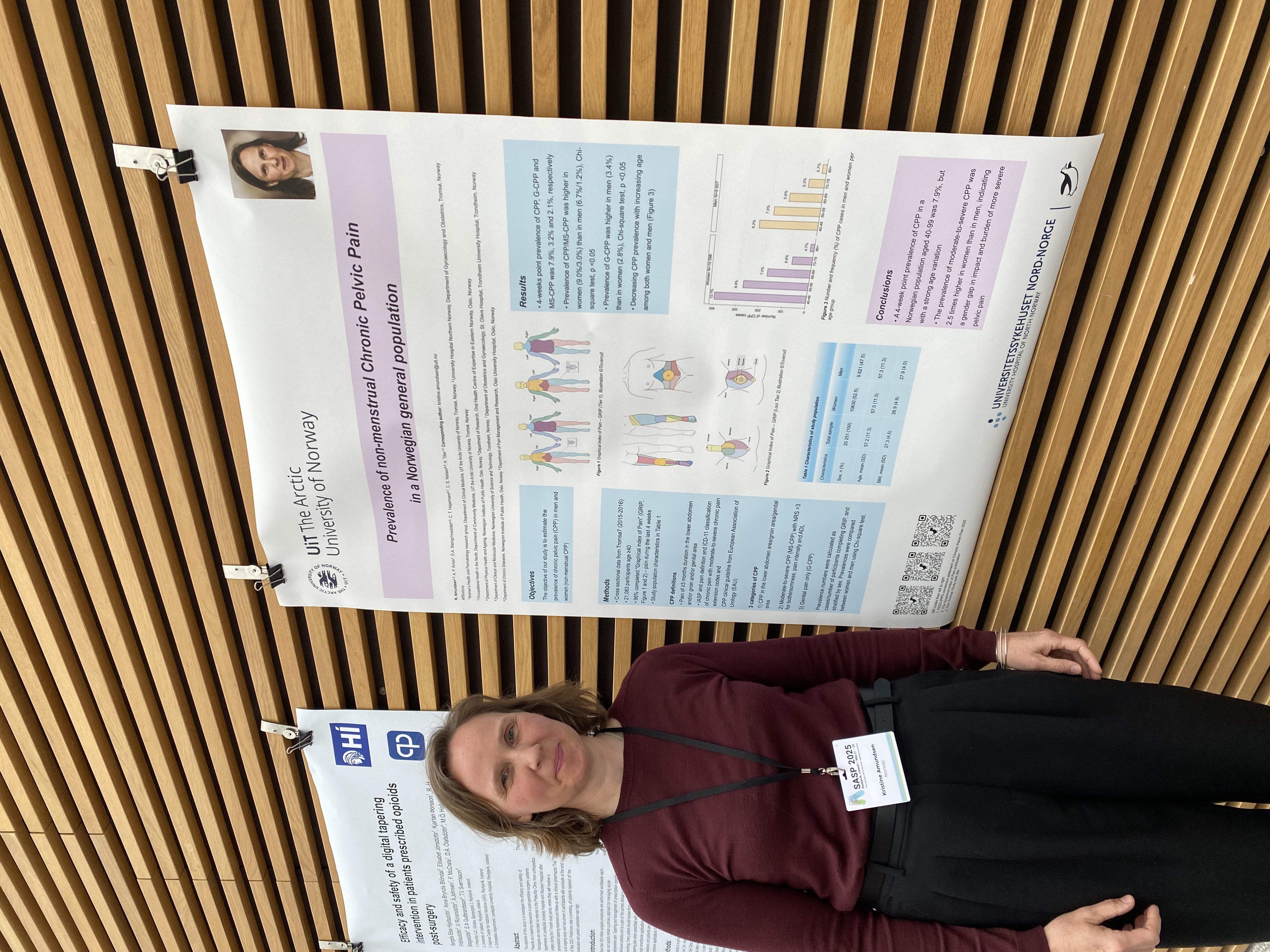
PhD student Kristine Amundsen participated in the Scandinavian Pain Society's annual conference in Iceland with an abstract/poster titled "Prevalence of non-menstrual Chronic Pelvic Pain in a Norwegian general population.