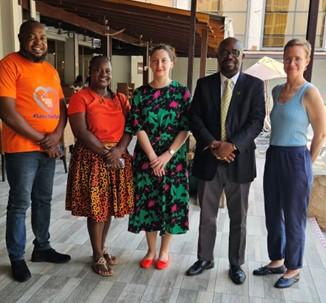
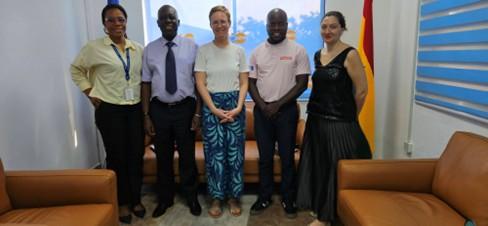
Welcome to the Global and Environmental Health Research Group!
Our research group is dedicated to advancing knowledge in global and environmental health through primarily epidemiological studies. We focus on vulnerable populations, particularly women and children, in diverse global health settings.
Our key areas of work:
Perinatal and maternal health: Investigating risk factors and health outcomes for mothers and newborns.
Environmental epidemiology: Studying the impact of environmental factors on health, particularly widespread contaminants, such as lead (Pb).
Non-communicable and communicable disease epidemiology: Assessing disease trends, risk factors and possible preventive measures.
Our mission is to influence public health policy and practice through research that addresses the systemic factors shaping the health of the global population, and especially the health of women and children.
We are always eager to establish new collaborations and partnerships, so please don't hesitate to contact us.
Investigating lead exposure in Adjara: A research journey to western Georgia
In a collaborative effort between researchers from UiT and the National Center for Disease Control (NCDC) in Georgia, we embarked on fieldwork in the Adjara region of Georgia in mid-November 2025. Our mission was to identify potential sources of exposure to the toxic metal lead among Adjarian children by closely examining the living environments, practices, and traditions of local families. This journey was not only a scientific endeavor but also an enriching personal experience, as we connected with the community and gained valuable insights into their daily lives.
Why lead?
Lead exposure remains a significant public health concern globally, particularly in low- and middle-income countries. Georgia is identified as a high lead exposure country, thus understanding the sources of lead exposure in Georgia is critical for protecting current and future generations.
Why Adjara?
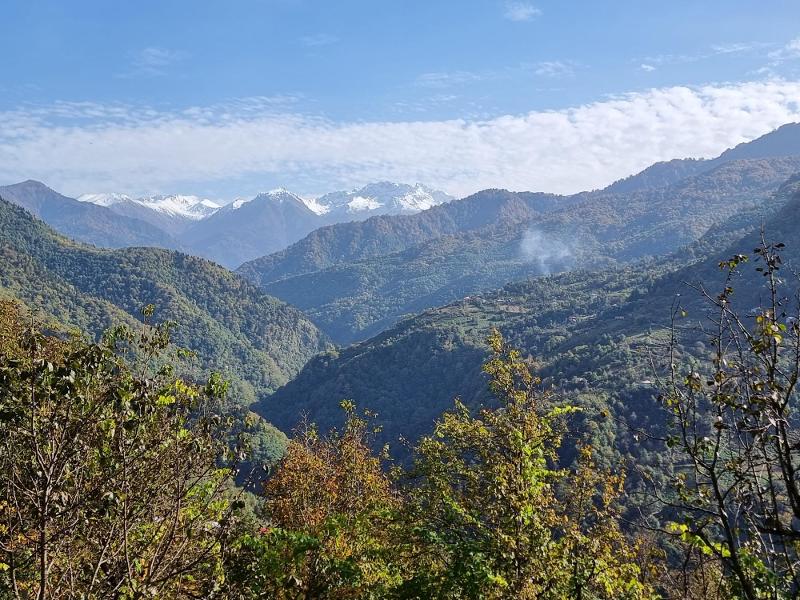
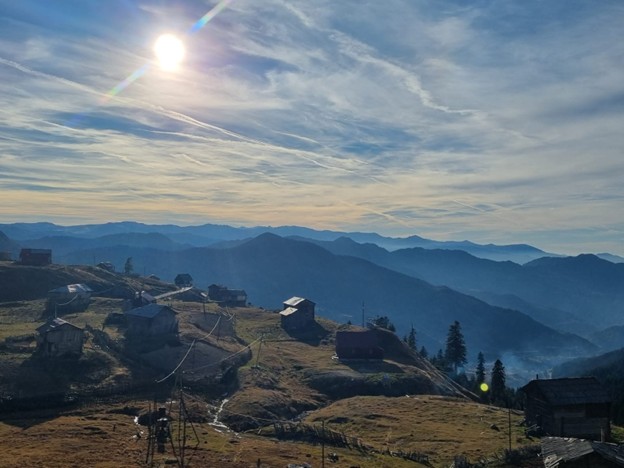
The Adjara region, located in southwestern Georgia, is known for its stunning landscapes, rich cultural heritage, and unique traditions. However, Adjara also faces challenges related to lead exposure. In 2018, strongly elevated blood lead levels were identified in Georgia and specifically among children in Adjara. Since then, the levels have declined in the population but remain strongly elevated in certain families. All sources of lead exposure are yet to be identified.
Our approach: understanding lives, not just numbers. Foto: Tinatin Manjavidze
What we did
Two years ago, we conducted similar fieldwork in the Adjara region, visiting 20 families to collect blood samples and environmental samples for the analysis of total lead and lead isotope profiles. This year, we returned to some of these families for more in-depth investigations. Our work included qualitative interviews, blood sampling of all family members, broader environmental sampling, and detailed field observations.
Our goal was to go beyond surface-level observations and gain a deeper understanding of the daily lives of the families we visited. This involved exploring their living practices, habits, behaviors, cooking traditions, and much more.
A key aspect of our work was maintaining a delicate balance between conducting scientific research and respecting the privacy and traditions of the families. Building trust was essential, and we approached our work with great sensitivity and respect.
The way forward
The next step is to analyze all the samples and data we collected. Once the results are ready, we will communicate them back to the families and provide individual recommendations. Additionally, we will share our findings with local and national authorities, as well as the scientific community.
In the long run, we aim to collaborate with local authorities and communities to implement targeted interventions and raise awareness about the risks of lead poisoning.
Lessons learned
Our journey was both a fantastic scientific endeavor and a great personal experience. As epidemiologists, we often work with numerical data, but our fieldwork over the past two years has shown us that complex issue like childhood lead exposure cannot be addressed through numbers alone. It requires qualitative insights into people’s lives, habits, and—most importantly—on-site observations. By understanding the intricate connections between environment, culture, and health, we can work toward a future where every family has the opportunity to thrive in a safe and healthy environment.
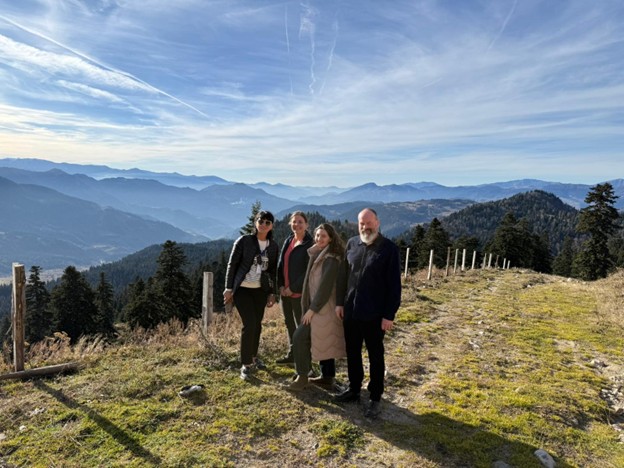
The research team: Tako Jankhoteli, Charlotta Rylander, Tinatin Manjavidze, Erik Eik Anda Foto: Giorgi, NCDC