News


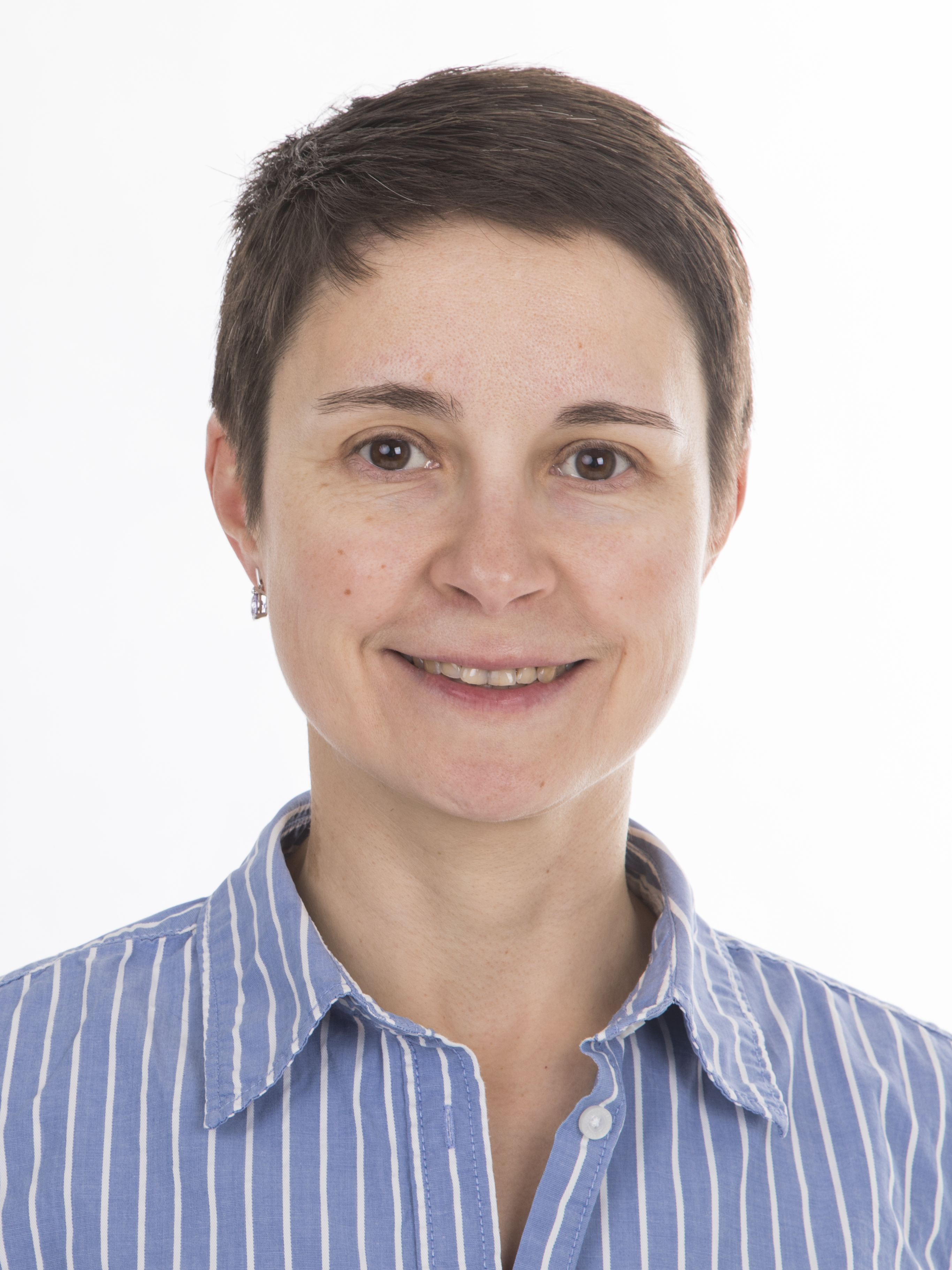
PhD Candidate Leikny Bakke has successfully defended her thesis
Member of our research group and PhD Candidate Leikny Bakke has successfully defended her thesis “Navigating Climate Adaptation in Time and Space: The Role of Governance, Place Attachment, and Technology in Strengthening Local Resilience to Climate-Induced Natural Hazards”.
Leikny Bakke's thesis “Navigating Climate Adaptation in Time and Space: The Role of Governance, Place Attachment, and Technology in Strengthening Local Resilience to Climate-Induced Natural Hazards” highlights the pivotal roles of governance frameworks, place-based factors, and technology in shaping local climate adaptation and resilience. Local adaptation efforts often focus on familiar hazards, while frequently neglecting the capacities required to address future, unfamiliar risks. This shortfall is influenced by governance frameworks shaped by national policies and resource constraints. Furthermore, emotional attachments to place and the use of technology can act as both drivers and barriers to local resilience, as they enhance adaptive capacities in some instances while introducing vulnerabilities in others.
Her study offers valuable insights into some of the mechanisms that influence local climate adaptation and emphasizes the need for a comprehensive approach to managing climate risk. Such an approach must address both the physical and emotional dimensions of resilience, to ensure that adaptation strategies are inclusive, context-sensitive, and grounded in both scientific evidence and local realities.
The supervisory committee consisted of main supervisor and research group leader Professor Are Kristoffer Sydnes, and co-supervisor, Associate professor Reidar Staupe, both employed at UiT. Leikny was also affiliated with the Nordic research project CliCNord during the course of her PhD.
The evaluation committee was formed by 1st Opponent Professor Olivier Rubin, Department of Social Sciences and Business; Globalization and Europeanization; Centre for Societal Security and Resilience (SECURE), Danmark, 2nd Opponent, Research Professor Dr. Halvor Dannevig, Vestlandsforskning, Sogndal, Norge, and finally, Associate professor Clara Good, as the leader of the committee and internal member from the Department of Technology and Safety, UiT
The Assessment committee emphasized in their assessment report that "The dissertation with its strong and coherent Kappe together with six substantive research papers exceeds what can reasonably be expected of a PhD dissertation in terms of scope, quality, and contribution." For those interested in reading more about the research, the thesis can be accessed from this link: “Navigating Climate Adaptation in Time and Space: The Role of Governance, Place Attachment, and Technology in Strengthening Local Resilience to Climate-Induced Natural Hazards”.
Leikny is currently employed with the Governor of Svalbard, working as a senior advisor on civil protection and emergency preparedness. Here she is putting her research to good use by focusing on Arctic resilience to climate risk, while remaining a member of our Climate Change Adaptation research group.


Published: 27.05.2026
Link to this page
CCA RG member visited Firum in the Faroe Islands during PhD secondment
CCA Research Group member Stian K. Kleiven spent six weeks at Firum in the Faroe Islands during a PhD secondment connected to the Horizon Europe project OCCAM. During the stay, he worked with researchers at Firum on salmon lice modelling.
CCA Research Group member Stian K. Kleiven visited Firum in the Faroe Islands from March 24th to April 30th, 2026. The stay was part of a PhD secondment through his doctoral work at UiT The Arctic University of Norway.

The secondment was connected to OCCAM — Operationalising Climate Change Adaptation and Mitigation for aquaculture — a Horizon Europe project that aims to develop and test solutions for climate change adaptation and mitigation in the aquaculture sector. OCCAM focuses on strengthening the capacity of European aquaculture to respond to climate change through scalable and practical solutions.
During the six-week stay, Kleiven worked closely with researchers at Firum on the salmon lice model being developed by the Faroese partner. The work focused on how salmon lice larvae are distributed in the water column, including which depths they occur at and how different developmental stages are distributed at different depths. Based on empirical models, Kleiven performed calculations that can contribute to the further development of modelling tools for assessing how changes in fjord environments may influence salmon lice pressure and aquaculture production.

The work also included a literature review summarizing how salmon lice production has been estimated in previous studies. This provides an important basis for comparing modelling approaches and improving the biological assumptions used in future lice-dispersal and risk-assessment models.
Firum leads work on developing a tool that can help aquaculture companies and authorities reduce salmon lice challenges under future climate conditions. The aim is to develop a model that can evaluate the effect of different management scenarios intended to reduce lice infection pressure.
In addition to modelling work, the stay gave Kleiven insight into Firum’s broader research activities. He joined field-related activities, including lice counting on farmed salmon, work onboard the research vessel Andrias Reinert, field investigations of Faroese fjords, and electric fishing and tagging of trout in a river. These activities provided valuable insight into how biological monitoring, fjord ecology, and modelling work are connected in applied aquaculture research.

The secondment strengthened collaboration between UiT, Firum, and OCCAM partners, and contributed to ongoing work on understanding how climate change may affect aquaculture systems in Nordic and Arctic marine environments.
Published: 27.05.2026
Link to this page